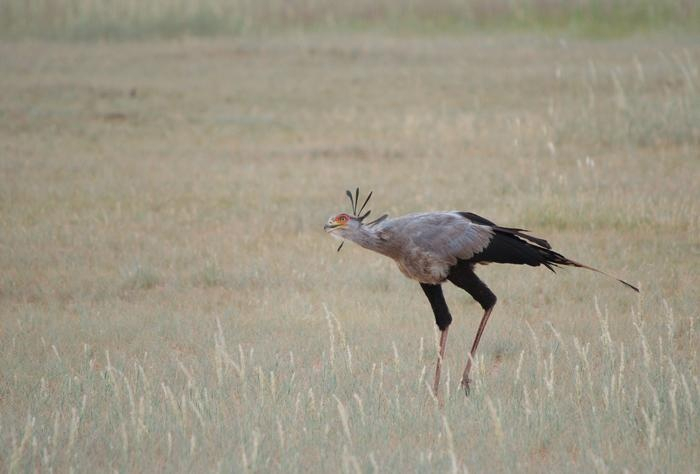
- Study tracks 26 bird species in South Africa from 2009–2025.
- About half of species recorded significant population declines exceeding 50 percent.
- Endangered Secretarybird population fell 68 percent during study period.
- Researchers cite habitat loss, climate change, poaching as key drivers.
A 12-year-old study of the bird populations in the central South Africa has been tracking the bird population patterns and has discovered that wide ranges and considerable loss of predators are evident and points out to the survival of various key species and the overall well being of the ecosystems.
Those who conducted the research examined the changes in population of 18 raptor species and eight large terrestrial birds 2009 to 2025 using data on road surveys that were conducted over 10 years. The results indicate that 50 percent of the species involved saw significant declines with most of the declines of over 50 percent and only a few registered significant increments.
The findings indicated that, among the raptor community of South Africa, large-scale and in many instances devastating population decreases take place, said Dr Santiago Zuluaga, main author of the article.
The most alarming aspect is that the deepest drops were identified in the species that have the role of primary importance in the ecological system and are already treated as priorities in conservation.
Some of the most at Risk Species Include Threatened and Migratory
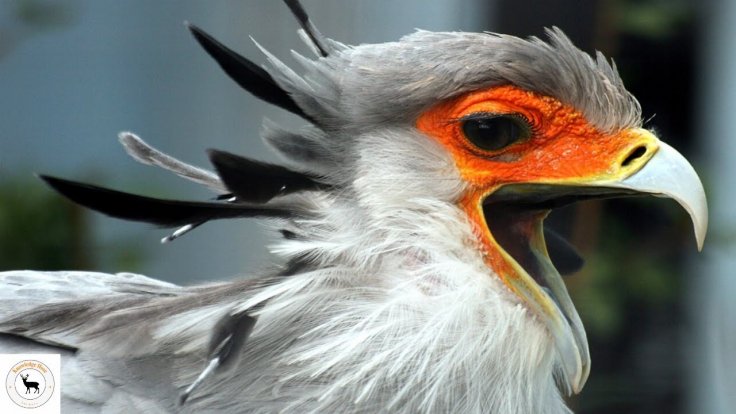
A sudden decrease in globally threatened species included the list of the most disheartening results. The number of Endangered Secretarybird species decreased 68 percent in the course of study which revealed the increasing pressures on the species that demand vast and unperturbed environment.
The declines observed in other species like Secretarybirds are of particular concern, said Dr Megan Murgatroyd who is a co-author of the study.
Such birds need immense space in order to exist and multiply so continued decline in numbers potentially on this kind of scale points out that places stresses across the terrain are really and genuinely affecting it.
There was also a major impact on migratory raptor. Bird species like the Lesser Kestrel, Amur Falcon and Steppe Buzzard exhibited significant losses that highlights the susceptibility of birds which rely on many areas and migration pathways.
Examples of species which are now classed as Least Concern such as the Spotted Eagle-Owl and Jackal Buzzard were also reported in the study, so the overall effect appears to be that a reduction in population is occurring before the regimes are adjusted in the formal conservation status systems.
Highlights of Long Term Data Scale of Change
The study is founded on over 15 years of the stable road surveys, which give one of the most comprehensive datasets regarding the populations of the raptors in the area.
Ronelle Visagie of the Endangered Wildlife Trust, who did much of the fieldwork claimed When I began these road counts more than 15 years ago, I did not imagine that they would indicate such drastic losses in so many species.
It entailed a lot of time spent on the road, counting birds in year after year but it is encouraging to realize that it was all worth it and has resulted in something substantial that can actually be informative in conservation. The researchers also compared the findings with those obtained in the Southern African Bird Atlas Project (SABAP2) which is a large citizen-science project to confirm the results.
Citizen science atlas projects, such as SABAP2 are indeed critical towards conservation of birds in Africa, according to Associate Professor Arjun Amar, senior author in the research.
Their results explain the necessity of using a variety of monitoring techniques, especially when working with broad based species like raptors, in order to guarantee we can get the best possible image of the changing state of the population.
Ecological Anxiety Grows
The raptors are significant ecological agents since they are top predators and scavengers and thus serve as significant indicators on the environmental health. Their downfall refers to wider forces that influence the ecosystems in the region.
Scientists attribute the declining trend to a combination of events that include land-use change, infrastructural development, poaching and climate change. Zuluaga said that as human populations in Africa are expected to rise by a steep curve over the next few decades, the strain on biodiversity has only a likelihood of rising.
In order to track down degradations at their initial stages and take conservation measures before the populations are critical, robust and long-term monitoring is necessary.
The results demonstrate the importance of action to protect the raptors and nature, a situation that will also require the organized conservation to focus on raptors and conserve them to protect the biodiversity of South Africa.


