- Major central banks hold rates but signal readiness to tackle inflation
- Markets increase bets on rate hikes amid war-driven energy price surge
- Reserve Bank of Australia raises rates, others maintain hawkish stance
- Traders see potential rate hikes by ECB and Bank of England soon
Key central banks kept interest rates unchanged this week, but gave indications of being willing to tighten policy when the increasing energy prices associated with the Middle East conflict are recalculating the risks of inflation and market expectations.
Innovators of developed economies are reevaluating their perspective since traders reduce anticipations of rate reductions and more and more rates in the future. The markets according to Reuters have acutely decreased monetary easing speculations in 2026 by the Federal Reserve and they have incorporated tightening actions in Europe and other parts.
The move is an indication of growing fears that an increase in oil and gas prices might lead to a wider inflationary wave. As geopolitical forces keep shaping the financial environment of the world, central banks are putting flexibility in focus though they are taking a break at present.
Markets Reprice Rate Perspective In Economies
The financial markets have responded swiftly by altering the expectations after the intensification of the Middle East. The traders are increasingly finding the possibility of rate going higher in various economies such as the euro zone and Britain as some of them are even pricing in a series of rate increases by the end of the year.
Tiff Macklem stated "Borrowing costs could rise if energy-driven inflation becomes entrenched" on the future of the rate path.
Reserve Bank of Australia (RBA) was the only central bank of significant size to increase its rates in the current week, raising its benchmark to 4.1 percent in two months in a row. According to Reuters, the bank mentioned a material inflation risk according to the conflict.
In other regions, the central banks decided to keep the rates unchanged but took a more hawkish stance. The bank of England maintained its key rate at 3.75, which is however currently subject to a possible increase by 25-basis-point in the market either before April. Equally, the European central bank did not reduce its deposit rate, which stands at 2 percent, but is likely to start tightening deliberations in the next few weeks.
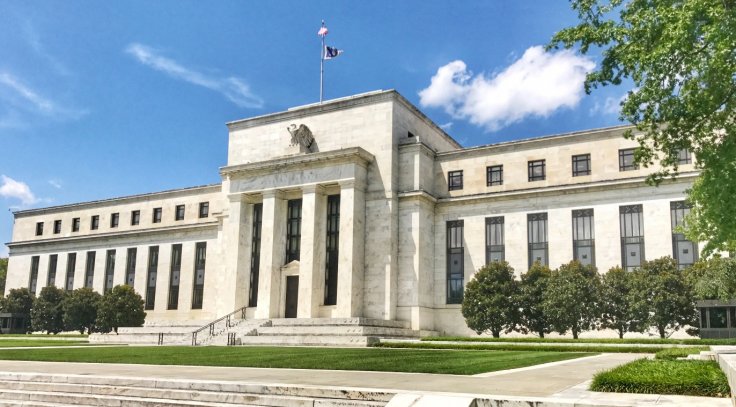
The Federal Reserve in North America held its benchmark at the 3.50 percent-3.75 percent. Nonetheless, Reuters added that the comments by Chair Jerome Powell extended the expectations of the next rate cut to the far future and traders now saw little possibility of alleviating it soon.
Risks of inflation Control Policy
The financial authorities are facing a fresh wave of inflation fueled by crisis in the energy market. The rise in oil and gas prices has brought questions on second round impacts on full price levels making it difficult to ensure that the second round of inflation is brought back to target.
Powell also accepted that policymakers might not be in a position to view through energy-motivated inflation in case it becomes persistent. His remarks highlighted the drift to the side of caution because the central banks were calculating the risk of doing nothing too late versus doing nothing too early and tightening into a decelerating economy.
The bank of Canada too maintained the rates at 2.25, but Governor Tiff Macklem was also threatening to increase the cost of borrowing in case inflation that is caused by energy prices is entrenched. Reuters reports that, at least one rate increase is being priced by markets in Canada by the second half of the year.
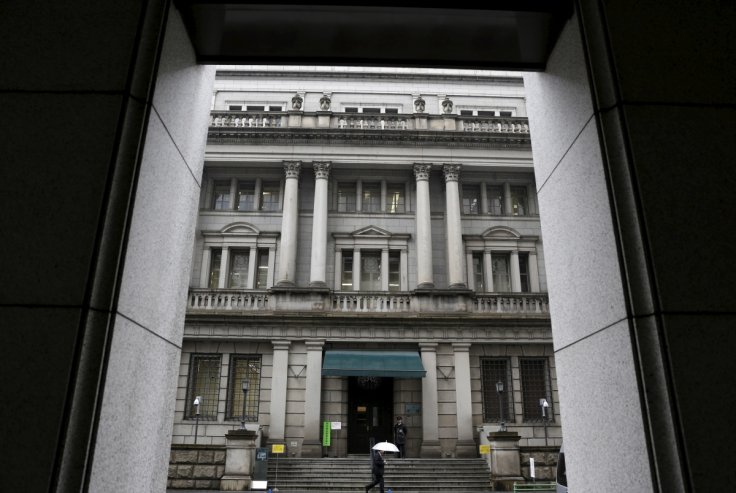
In Japan, the bank of Japan maintained its policy rate at 0.75, the highest in 30 years, and indicated that they have paid more emphasis on the risks of inflation in an upside manner. The statements made by Governor Kazuo Ueda advanced the anticipations of a potential increase in the rate as early as April and this contributed to the strengthening of the yen.
Reduction of Global Policy Divergence
The changing perspective is an indication of a trampling convergence in the world monetary policy as an increasing number of central banks switch gears to tightening or postponing loosening strategies. Even those who had already been reducing rates aggressively like the Reserve Bank of New Zealand are now under the pressure of the markets to revert these actions and increase the rates later this year.
There is also evidence of tightening inclination by the central banks of Sweden and the Norway Norges Bank, due to the chronic inflation strains in their respective economies. In the meantime, Switzerland is still an exception, with its policy rate at 0 per cent in the face of low inflation and strong currency, but it has made an announcement of willingness to intervene in the foreign exchange markets.
Reuters information indicated that the world bond yield has increased relative to the last trading period, which indicated the reevaluation of the inflation risk and interest rate directions. The repricing has especially been apparent in short-term yields that are more responsive to the expectations of the monetary policy.
The uncertainty of the geopolitical environment and the changing dynamics of inflation are compelling central banks to be on their guard as policy options are still open.
The overall position of the leading economies underscores a proactive focus on vigilance with policy makers on whether the energy-related price pressures will transform into long-term inflation necessitating additional monetary tightening.


