- Oil prices fall as Iraq resumes exports via Ceyhan pipeline
- Brent remains above $100 amid ongoing Iran conflict concerns
- Iraq aims to export at least 100,000 barrels daily
- US crude inventories rise, adding pressure on global oil prices
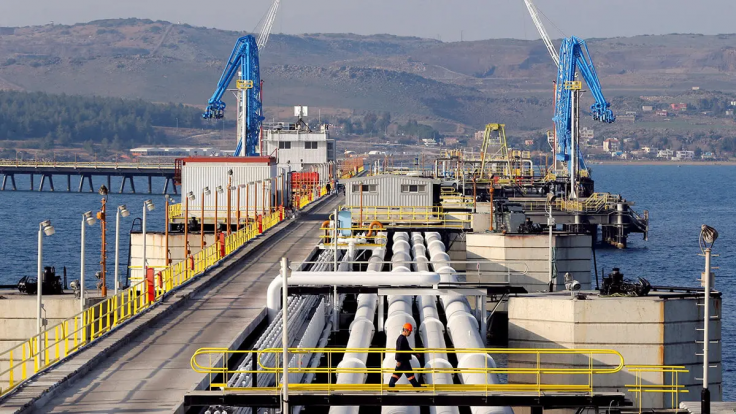
On Wednesday, the oil prices relaxed following the reinstatement of crude oil export by Iraq via the Ceyhan port in Turkey which provided a partial relief to the world markets which were struggling with supply shocks caused by the current Iran conflict.
Brent crude futures dropped 1.51 or 1.46 to $101.91 a barrel after rising over 3 percent in the last session. The U.S. West Texas Intermediate crude fell by 2.75 percent or 2.86 to 93.46. Both benchmarks stayed in key levels despite the pullback even though Brent was above $100 per barrel in the fourth consecutive session, which highlights the ongoing supply issues.
Reuters reports that after a deal between Baghdad and Kurdistan Regional Government to resume pipeline exports to Turkey, the flows of Iraqi Kirkuk fields resumed. The officials claimed that it might be at least 100,000 barrels per day in volumes that would be incremental to a market that is already constrained.
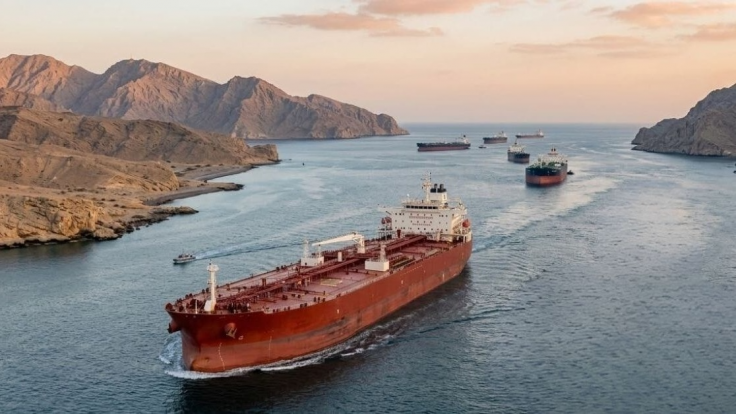
The oil flows all over the world are also in dire need, so the restart at this time will be appropriate. Strait of Hormuz, a key transit route that handles about 20 percent of the global oil, remains restricted by the mounting military tensions, which restrict wider supply recovery.
Supply Relief Constrained Structural Demands
The market participants considered the resumption of the Iraqi export as a short-lived stabilizing measure, not a structural adjustment in the supply relations. Analysts observed that even small changes in production can affect the price movement in a highly-balanced market.
"The information brought some relief to the market. Any extra volume that retreated into the market is good in the present situation, hence prices were dropped to indicate the same", said LSEG senior analyst Anh Pham.
We still live in a $100 per barrel oil world though, and the crisis in the Strait of Hormuz has not appeared over yet.
The overall production capacity of Iraq is limited. Its south oilfields, which contribute most of the export, are reported to have reduced to 70 per cent to 1.3 million barrels per day because of the unrest surrounding the conflict in the region. This decrease still goes against northern export route earnings.
Geopolitical trends are also a powerful trend shaper. Iran not only confirmed the assassination of senior security official Ali Larijani in an Israeli attack but U.S military attacks on coastal missile facilities have also escalated tension. An Iranian senior official reported that "there have been reports of de-escalation ideas being turned down, further increasing the expectation of a long period of disturbance."
Inventory Records Provoke a Downward Force
Other pressure on the oil prices was due to the increasing U.S. oil inventories that indicated the potential of decreased short-term demand or more supply. Citing data provided by American Petroleum Institute, the sources published by the market said that the U.S. stocks of crude oil increased by 6.56 million barrels during the week that ended on March 13.
That rise was in contrast to what a Reuters poll had anticipated which had indicated a smaller build of approximately 380,000 barrels. The increased upward adjustment was also bearish adding to the effect of Iraq renewing its exports.
Analysts claimed that trends in inventory are being followed with a keen eye as a remedy to geopolitical risks. Though the effect of supply disruption in the Middle East is still beneficial to the prices, additional accumulation of stocks in key consuming countries may help cube the additional gains in case of any indication of demand deterioration.
Mingyu Gao, the energy and chemicals chief researcher of China Futures, said that "the market expectations might be affected by the recent military developments". He added that "recent strikes and leadership transitions in Iran have brought some optimism of a faster solution though there are high chances of doubt."
In recent sessions oil markets have witnessed increased volatility and the sharp fluctuations depicted the interaction of geopolitical risk, supply signals and demand signals. Reuters data indicated that Brent had increased by over 3 per cent in the earlier trading day only to turn about on Wednesday.
The partial restart of the Iraqi exports underlines how the change of supply in small steps can cause a shift in prices in the limited environment, despite the wider geopolitical tensions that still put a cap on the further reduction in global oil markets.


