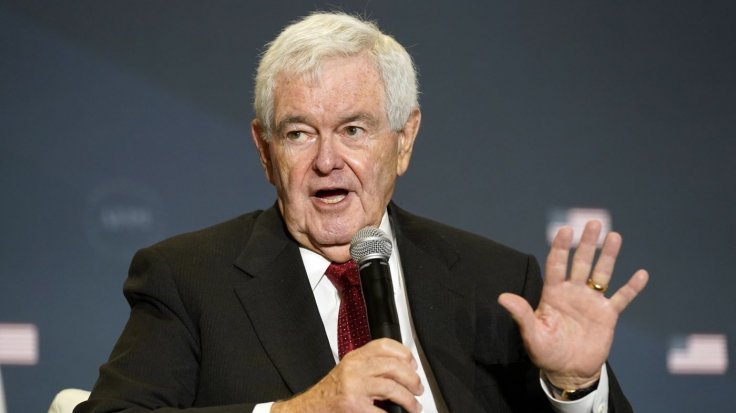
- Newt Gingrich suggests nuclear detonations to create Hormuz channel.
- Proposal follows disruption of shipping in Strait of Hormuz.
- No official response from White House on Gingrich remarks.
- Conflict has reduced shipping traffic and increased global oil prices.
In what experts are calling one of the most extreme proposals to emerge from the ongoing Gulf conflict, former US House Speaker Newt Gingrich has suggested that President Donald Trump should drop "a dozen thermonuclear detonations" on the Strait of Hormuz to carve out a new, safe shipping channel through friendly territory.
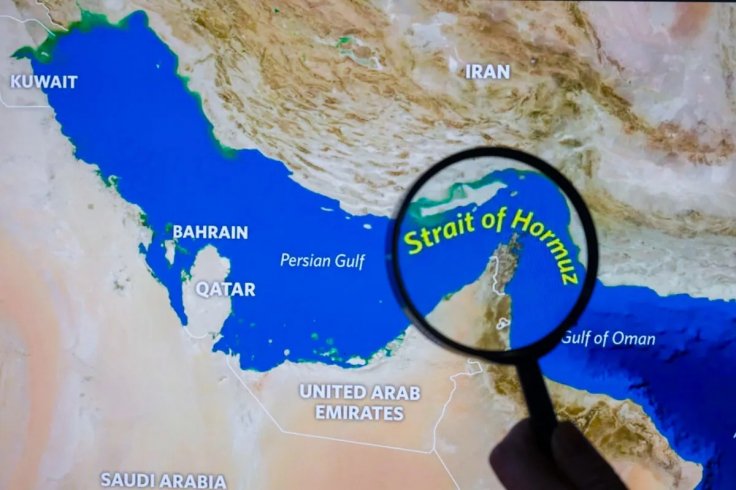
The Strait of Hormuz, a narrow 21-mile-wide passageway through which up to 30 percent of the world's total oil consumption and 20 percent of global liquefied natural gas flows, has been effectively closed to commercial shipping due to sustained Iranian attacks and naval mines. Iran's new Supreme Leader, Mojtaba Khamenei who has not been seen in public since assuming power vowed in a written statement to use the "lever of blocking the Strait of Hormuz" to keep the enemy "highly vulnerable."
President Trump has been urging allies including France, South Korea, Japan, the United Kingdom, and even China to send warships to police the area and keep oil shipments moving. But Gingrich, writing on social media, dismissed that approach as fighting over a bottleneck forever.
"Instead of fighting over a 21-mile-wide bottleneck forever, we cut a new channel through friendly territory," Gingrich wrote. "A dozen thermonuclear detonations and you've got a waterway wider than the Panama Canal, deeper than the Suez, and safe from Iranian attacks."
The post linked to an article that a community note later called "satirical," but Gingrich did not indicate any humorous intent in his proposal.
The Human Cost So Far
Since the Iran strikes began, the US Navy has reported that 20 commercial vessels have been targeted in the Strait, resulting in seven fatalities and four crew members still missing. The economic impact has been severe, with Brent crude soaring past $106 per barrel and shipping traffic through the strait down by nearly 97 percent.
The Nuclear Irony
Gingrich's suggestion comes with a heavy dose of irony. One of the primary reasons cited by the Trump administration for launching strikes against Iran was to prevent the Islamic Republic from developing nuclear weapons. The administration argued that preemptive action was necessary to stop Iran from producing nuclear warheads.
Trump insisted last June that US airstrikes had successfully destroyed Iran's ability to produce nuclear bombs. However, US intelligence officials reportedly believe that up to 20 canisters of Iran's highly-enriched uranium remain accessible, even under the rubble at the Isfahan facility.
The Ground Invasion Dilemma
The New York Times has reported on the uncomfortable choice facing the administration: "If President Trump ends the war without getting control of the canisters, Iran will almost certainly speed toward going nuclear. Grabbing it, on the other hand, would entail huge risk and the inevitable deployment of American or Israeli ground forces."
Gingrich's nuclear proposal would bypass that dilemma entirely but at the cost of unleashing radioactive devastation in one of the world's most strategically critical and environmentally sensitive regions.
Environmental experts have long warned that any nuclear detonation in the Gulf would not only contaminate marine life and desalination plants supplying drinking water to millions but could also permanently disrupt global climate patterns.
No Official Response
The White House has not commented on Gingrich's proposal. The former Speaker, known for his sometimes controversial and provocative statements, served as House Speaker from 1995 to 1999 and has remained an influential voice in Republican circles, though his influence in the current administration is unclear.
Also Read: Epstein Outrage Likely To Persist Despite Trump Iran War Distraction
International reaction is expected to be sharply critical, with even America's closest allies already hesitant to commit naval assets to the conflict showing little appetite for nuclear escalation in the region.


