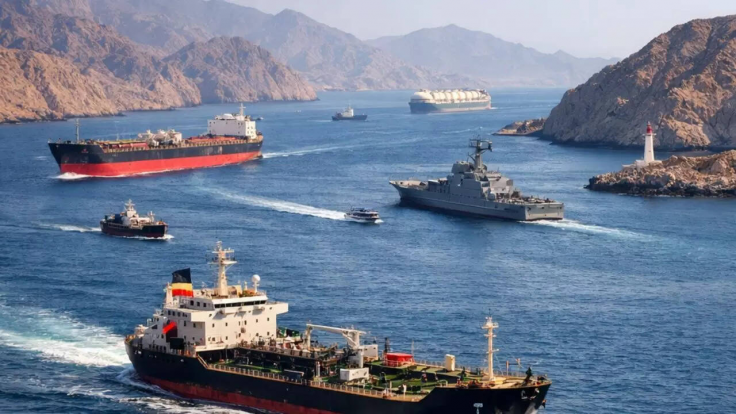
- Iran attacks Gulf energy infrastructure, closes Strait of Hormuz shipping route
- Middle East oil output falls 7–10 million barrels daily
- Refinery shutdowns and export disruptions push global oil prices higher
- Industry warns repairs and supply recovery may take weeks to months
The rising tension with Iran has put the nation in focus over the quest to normalize the energy markets of the world following the blanket frustrations to the oil and gas supply chains within the Middle East region.
The response by Iran to the military attacks by the U.S and Israel has brought to a halt any shipping activities along the Strait of Hormuz, which is a strategic water channel through which approximately a fifth of the oil and liquefied natural gas exports in the world are shipped. The shutdown has prompted the energy producers and traders to rethink exporting strategies and schedules of operations highlighting the role of Iran on the energy flows across the region.
"If the U.S. and Israel declare victory on terms that Iran does not accept, then Tehran would want to show it has not been defeated by causing more disruption with mines and drones." stated Neil Quilliam, Analyst at Chatham House
According to the energy companies and market players, the conflict has left a question as to whether we can be able to supply chain easily even in case the military hostilities are relaxed. Reuters reported that Saudi Arabia state oil producer Saudi Aramco told purchasers that it could not tell whether April will ship cargoes via the Gulf terminals or be re-routed over the Red Sea.
This ambiguity is indicative of a wider change on who holds the power over the energy market. One of the common Saudi oil buyers responded by receiving the letter by saying that I can then call Iran and know when this war is coming to an end so I can get my oil.
The interference is untimely as oil prices have not only risen significantly, but also given rise to much concern as to whether there will be a shortage in supply with the threat of increasing prices. According to the records released by Reuters, the price of the particular item, Brent crude, went up to close to $100 per barrel through the recent trading sessions in contrast to the values of the same product near the mid range of the 60s at the beginning of the year when the tension had not escalated.
The Energy Markets Are Shaken by Transportation Straitjacking
Drones and missile attacks on ships in the Strait of Hormuz have greatly interfered with shipping operations of tankers carrying crude oil and LNG in the global markets.
Energy executives cautiously remind that it will need even more than military patrols or naval escort to achieve normal shipping activity. Although the fight can be stopped instantly, companies might be reluctant to restart and additionally, they will not be convinced unless they are assured that the tankers can pass through the region safely.

After the United States President Donald Trump stated that the American government might put military escort to cover passing cargo ships through Strait of Hormuz. But industry officials note that it might not be enough to put confidence in the shipping lanes again.
A high ranking official in the Gulf energy industry added that the tankers will stay anchored until safety assurances are achieved. "It is simple - it is safety. Lives are at stake and that we cannot afford to risk, said an industry source.
Analysts indicate that Iran can attack shipping cheaply due to relatively low-cost drones and cause a lot of uncertainty to global supply chains.
By stating that the U.S. and Israel emerge victorious under conditions that Iran does not agree with, Tehran would desire to make it look like it did not lose by demonstrating further obstruction with mines and drones, according to Neil Quilliam of Chatham House think tank.
Shipping lanes are not the only areas where the attacks have spread. Fujairah, which is the oil loading facility of the UAE, was struck by drones a few days after the U.S attacks on Iranian military sites at Kharg Island, the main oil export base of the country.
Cuts in Production Widen the World Supply Shock
The disruption of the war has been spreading fast on the energy infrastructure in the Middle East compelling producers to close plants and lower production.
The International Energy Agency (IEA) described the crisis as "the most severe oil and gas supply disruptions ever."
Reuters reports that the Iranian assaults on Saudi Arabian, United Arab Emirates, Bahrain, and Israelian refineries and energy facilities have caused the shutdown that has increased the oil and gas prices by up to 60 percent during the recent market spike.
Experts believe that total middle east production losses have gone as high as between 7 million to 10 million barrels per day which is approximately 7% to 10% of the world oil demand.

The largest oil exporter in the world has decreased its production by approximately 20 percent, and has closed down two of the major offshore fields known as Safaniya and Zuluf.
The oil production of the second biggest producer of the OPEC alliance in Iraq has reduced by approximately 70 percent according to the analysts cited by Reuters. The level of production in United Arab Emirates is also down dramatically with production declining by approximately fifty percent.
The disturbance has spilled over to the international natural gas markets too. Qatar, which is among the most significant LNG exporters in the world, has halted all of its liquefied natural gas production eliminating about 20 percent of the liquid natural gas in the market and informing its clients that it might not start shipments until May.
Industry analysts indicate that fixing damaged refineries, export terminals and pipelines could take some weeks and months before the impacts of the crisis may be felt regardless of the hostilities subsiding in the near future.
Cargo shipping expenses around the region have also soared due to resettlement of risk of operating in the conflict zones by the insurers.
In reaction to the crisis, the International Energy Agency has organized a record 400-million-barrel emergency oil discharge of the strategic reserves, exceeding the 2022 previous intervention amount of the agency, as portrayed by Reuters.
Participants in the market indicate that response will help ameliorate the temporary shortage of supply in the market but will not entirely mitigate the disruption that has been caused by the stoppage in production and the blocked shipping channels.
Although the fighting could end, analysts caution that energy producers will likely keep the fights until the area is regaining its stability then businesses might take their time to reopen the fields and also shipping.
The scenario has indicated the susceptibility of the global energy supply chains to geopolitical discord in the Middle East whereby oil and gas production form a major portion of the global output of the same.
The industry officials indicate the Strait of Hormuz reopening and reestablishing normal energy flows will be determined by how much the security conditions will improve to allow the shipping companies and producers to resume safe operations.


