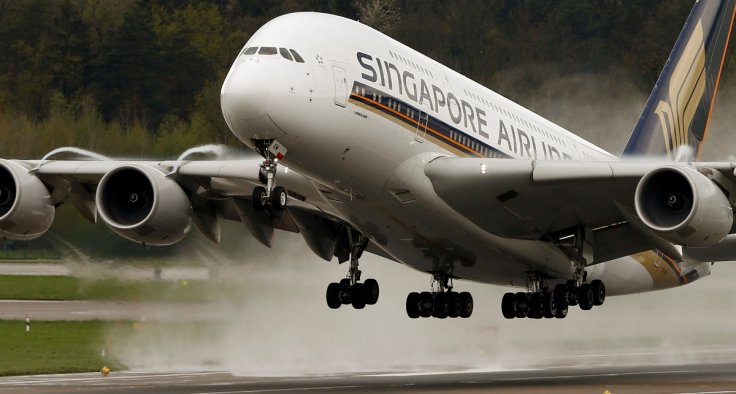
- Airlines increase fuel hedging as oil prices rise amid Iran conflict
- Jet fuel prices near record $1,633 per metric ton
- Many carriers hedge fuel using futures, options and currency contracts
- U.S. airlines without hedging could face greater cost pressures
Fuel hedging is a trend among airlines worldwide to cushion themselves against the increasing oil prices due to growing geopolitical tensions and production issues in the world, as the cost of energy keeps rising. Thursday saw the market worry over the disrupted supply with the future trade of the crude oil in the market reaching close to 100 per barrel of the oil.
Jet fuel prices have been soaring with the crude and the spot Northwest European jet fuel at approximately 1,536 per metric ton and even by tomorrow's record high of 1,633 that was a high level on an intraday basis, as per the Reuters data. Given that an average fuel cost amounts to a quarter to a third of the overall expenses, fuel is one of the biggest cost of operation in the airlines.
"We assume the airlines are able to recapture a portion of the spike in fuel prices, but it's hard to envision margin expansion this year barring a rapid decline in energy prices," said Tom Fitzgerald, vice-president of equity research covering airlines at TD Cowen.
The recent spike in the prices has thus enhanced the significance of the hedging models aimed at protecting the carriers against the fluctuating energy exchanges. Common financial derivatives that airlines are hedging include the futures contracts, options and swaps that enable the airlines to hedge their fuel expenses.
Through these instruments, the companies would be able to hedge the fuel prices, meaning they are not exposed to sudden hikes. A number of airlines hedge currency risk as well since jet fuel is usually purchased in U.S. dollars. Nevertheless, not every airline hedges its fuel costs in the same way. There are those carriers that have large hedging programs and others that are not so hedged and therefore ready to the fluctuations of fuel prices.
European And Asian Airline increase Hedging Programs
Other big carriers have also increased their fuel hedging to tackle the energy prices which are increasing. Earlier this year Air France-KLM had announced that approximately 87 per cent of total fuel expenditure, compared to 68 per cent previously, is hedged over a 1-year period. The Franco-Dutch airline group also increased its hedging schedule to eight quarters instead of six quarters to get the maximum coverage of the long-term market fluctuations.
Air New Zealand announced that it had hedged its second half of financial year fuel requirements of about 83%. The airline also obtained approximately 46% of fuel cover in the initial half of the next monetary year up to 2027. The majority of the hedging airline is related to the Brent crude prices, but Singapore jet fuel swaps had also been used by Air New Zealand as a part of risk-management strategy.
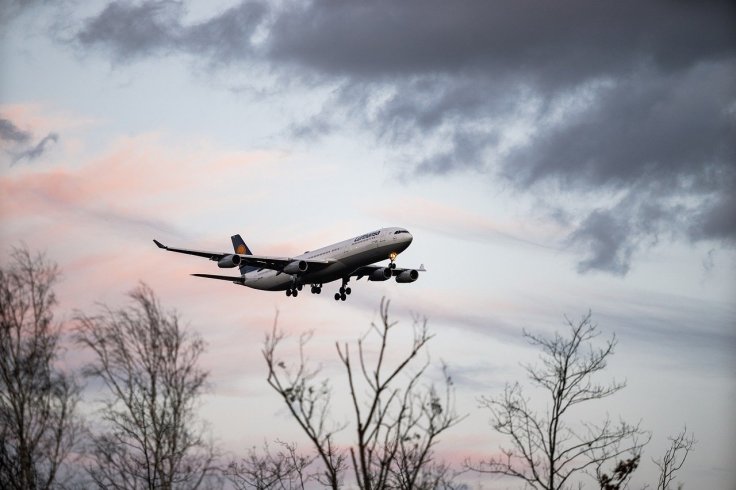
Cathay Pacific has not only expanded its hedging program. According to the airline, it hedged fuel up to the second quarter of 2027, which is equivalent to approximately 30 percent of its fuel expenses up to mid-2026. There was also a windy covering in fuel amongst the European low-cost carrier easyJet. The airline reported that it hedged 84 percent of its first half 2026 fuel requirements and 62 percent of its second half of 2026.
"It's a dramatic increase. Our hedging is on crude oil rather than jet fuel. And therefore, while we do have some protection from that hedging, obviously it's not protecting against the jet fuel price in totality," said Rebecca Sharpe, chief financial officer of Cathay Pacific.
Easy Jet has also hedged part of its currency risk and signed about 80 percent of its anticipated U.S. dollar requirements during the initial half of the year at around 1.30 per British pound. Under a redefined risk-management scheme, Finnair has increased its risk-hedging horizon to 24 months. The airline added that it had hedged additional than 800 tons of fuel before the second quarter of 2027 at an average cost of approximately over 697 per ton.
Airline companies prefer different strategies in the process of risk management. Although the hedging approach is commonly used, there is a wide variance between airlines in their enthusiasm in covering their vulnerabilities to fluctuating fuel costs.
The level of fuel and currency hedging, British Airways and Iberia, which are owned by the International Airlines Group, estimated that in 2025, the amount will be approximately 9% lower compared to the year before. With a 3-year rolling position the group will normally hedge 75 percent of the immediate requirements of fuel.
The hedging policies of other airlines are more flexible. Icelandair indicated that it intends to hedge between zero and half of the projected fuel intake in 6 months and less amounts in the distant future. Of financial sensitivity of airlines to the cost of energy, the airline has estimated that a 10 percent rise in the fuel prices would impact its equity to the tune of around11.6 million, which is notable.
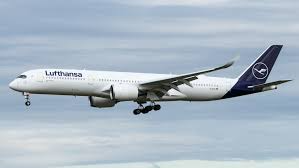
Lufthansa claimed that its hedging program goes to 24 months. The company at the end of the previous year hedged approximately 76 percent of its projections fuel needs in 2025 as well as 28 per cent in 2026. Likewise, Norwegian air Shuttle announced hedging between 45 percent and 2026 and approximately 25 percent to 2027 of its anticipated jet fuel usage. Australian airline Qantas stated that it hedged approximately 81 percent of the second half June 2026 fuel of its financial year.
The low-cost airline Ryanair announced that it had contracted an average of approximately 77 percent of its annual fuel needs in its fiscal year to the end of March 2026 at an average price of about 761 metric tons. The airline also indicated that it had hedged approximately 80 percent of its fuel requirements during the next financial year at a price of approximately $67 per barrel. Hedging is however reduced or suspended by other carriers.
China Eastern Airlines reported that it made no jet fuel hedging transactions in the first half of 2025 and no unresolved fuel hedging contracts as of the middle of the year. The second article to note that Scandinavian Airlines had unexpectedly stopped fuel hedging due to doubtful conditions noted that none of its fuel consumption was hedged within the next 12 months.
The second one is the Industry Under Pressure on Energy Cost
Most airline companies have been extending their hedging arrangements to foreign-exposure as well, as jet-fuel is normally u-s.d. priced. Singapore airlines declared that they hedge up to five years in advance fuel.
The airline indicated that it hedged close to half of its fuel consumption over the past quarters which had a slowing cover over subsequent years. Virgin Australia carrier reported to hedge approximately 85 percent of its fuel expenses as well as 94 percent of its foreign-exchange exposure in the latter half of its financial year.
In the meantime, Wizz Air has announced that it has hedged approximately 83 subsidiary of its jet-fuel requirements between the monetary year ended in March 2026 at an expense of between $681 to 749 per metric ton.
The presence of these hedging strategies notwithstanding, airlines still face great vulnerability to changes in the global market in oil. Increasing fuel prices have the ability to fast drain profitability and usually can compel carriers to increase the ticket prices or add fuel surcharges.


