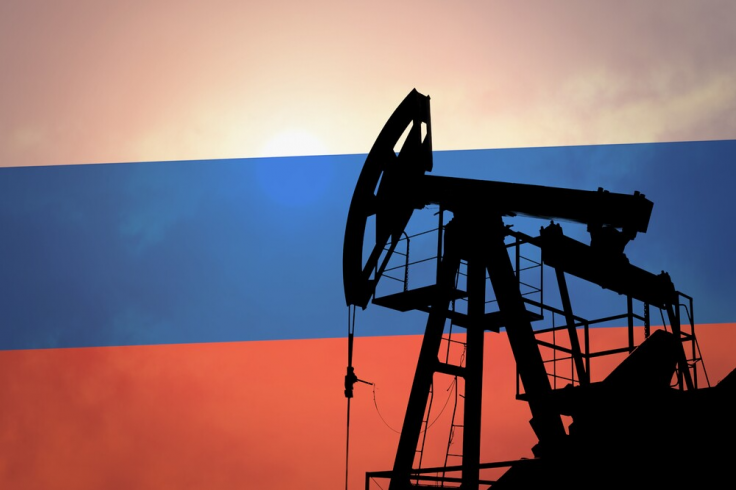
- Russia sees rising demand for oil and gas amid Iran war.
- Putin warns Europe could lose remaining Russian gas supplies.
- European gas futures rise over 60% since Iran conflict began.
- Iran war disrupts Middle East energy flows, pushing global prices higher.
Russia is benefiting from a sharp rebound in global energy prices triggered by the conflict involving Iran, giving Moscow renewed leverage in international energy markets after a year of declining oil and gas revenues.
The surge comes as disruptions to production and shipping in the Middle East push oil and gas prices higher, reviving the importance of Russian energy exports even among countries that have sought to reduce their reliance on them since Moscow's invasion of Ukraine in 2022.
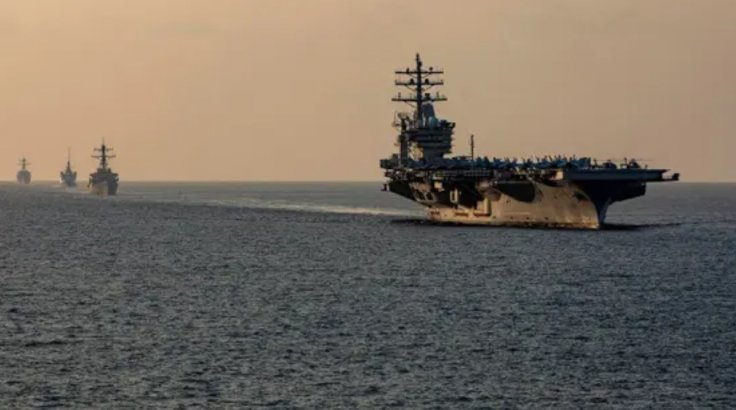
According to Reuters market data, U.S. benchmark crude closed at $91 per barrel on Friday, up more than 35% from a week earlier as tensions escalated in the Gulf region. Brent crude has also climbed sharply as traders price in supply risks tied to tanker traffic through the Strait of Hormuz, a corridor that typically carries about one-fifth of global oil exports.
The price rally has provided relief to Russia's economy, which relies heavily on energy exports. Government revenues from oil and gas had fallen by nearly a quarter last year due to sanctions, discounted crude sales and softer global demand.
Russian officials say the current market shift is already translating into stronger demand for their exports.
"We are seeing an increase in demand, a substantive increase in demand for Russian energy providers in connection with the war in Iran," Kremlin spokesman Dmitri Peskov told reporters.
The sudden shift in global energy dynamics has also revived debate in Europe about the continent's strategy of reducing reliance on Russian fuel supplies.
President Vladimir Putin used the moment to warn that Russia could further reduce gas shipments to Europe, suggesting that Moscow may redirect supplies to other markets where demand is rising.
"Now other markets are opening up, and perhaps it's more advantageous for us to stop supplying the European market right now," Putin said in comments to Russian state television.
Europe Faces Renewed Energy Pressure
European energy markets have reacted quickly to the disruptions stemming from the conflict in the Middle East. Gas futures across the continent have surged as traders weigh the possibility that reduced oil and gas flows from the Gulf could tighten global supply.
European gas prices have risen by more than 60% since the conflict involving Iran began, according to data cited by policymakers and analysts. While the price increase remains below levels reached during the height of the European energy crisis in 2022, the jump has unsettled governments already grappling with economic pressures.
Officials across the European Union have held emergency consultations in recent days to evaluate the potential impact of prolonged instability in the Middle East on the bloc's energy security.
Norway's energy minister Terje Aasland warned that rising prices could reignite political debate over how far Europe should go in limiting Russian energy imports.
Analysts say the severity of the economic impact will depend largely on how long disruptions in the Gulf region persist.
"The cost to Europe is going to depend on how long the disruption in the Middle East lasts," said Eamon Drumm, a research fellow at the German Marshall Fund focusing on energy policy.
Europe has dramatically reduced its dependence on Russian energy since 2022. The European Union imported about 13% of its natural gas and roughly 3% of its oil from Russia last year, compared with around 45% of gas and 27% of oil imports in 2021.

Much of that lost supply has been replaced with liquefied natural gas shipments from the United States and additional pipeline deliveries from Norway and other producers.
Still, the current crisis highlights the ongoing vulnerability of global energy markets to geopolitical shocks.
Fatih Birol, executive director of the International Energy Agency, warned that returning to Russian energy would be a mistake despite rising prices.
"One of Europe's historical mistakes was the overreliance of its energy sources on one single country, which is Russia," Birol said.
Looking again to Russia as an alternative energy supplier, he said, would be "economically and, in my view, politically wrong."
Asia's Energy Demand Strengthens Russia's Position
While Europe has reduced its reliance on Russian energy, other major economies have continued to purchase Russian oil, particularly in Asia.
India and China have become key buyers of Russian crude since Western sanctions reshaped global energy trade flows. The recent rise in prices and supply disruptions from the Middle East have further strengthened Moscow's position in those markets.
India recently resumed purchases of Russian oil after receiving a 30-day waiver from the United States, which had been pressuring New Delhi to curb imports from Moscow.
China, the world's largest energy consumer, may also increase purchases from Russia as supply from other producers becomes less certain.
Iran and Venezuela together account for roughly 17% of China's oil imports, according to Alexander Gabuev, director of the Carnegie Russia Eurasia Center in Berlin. Disruptions affecting both suppliers could lead Beijing to look for alternative sources.
"Iran plus Venezuela is about 17 percent of China's oil imports," Gabuev said. "This has to come from somewhere, and that somewhere is Russia."
The shift could also revive interest in long-delayed energy infrastructure projects linking Russia and China.
One such project is the proposed Power of Siberia 2 pipeline, which would significantly expand Russia's natural gas exports to China. Beijing has previously moved cautiously on the project, relying instead on existing pipelines and Middle Eastern supply routes.
Analysts say prolonged instability in the Gulf could cause China to reconsider that strategy.
Russia's economic prospects have been closely tied to global energy markets since Western sanctions tightened following the Ukraine war. Lower prices and discounted oil sales forced the government to increase borrowing, raise taxes and cut spending to sustain military operations.
The recent surge in oil prices has eased some of those pressures by boosting export revenues and strengthening Russia's role in global energy markets.
Even so, economists note that the current rally is closely tied to geopolitical tensions rather than structural changes in global supply and demand.
Energy markets remain highly sensitive to developments in the Middle East conflict, particularly around the Strait of Hormuz, where tanker traffic has slowed sharply amid rising security concerns.
As the conflict continues, governments and energy traders are closely monitoring whether disruptions to oil shipments and production will persist long enough to reshape global energy flows.


