
- Oil prices surge over 25% amid Iran conflict, shipping fears.
- Brent and WTI reach highest levels since mid-2022.
- Iraq, Kuwait cut oil output as Strait of Hormuz disruptions persist.
- Mojtaba Khamenei named Iran supreme leader during regional conflict.
On Monday, oil prices in the world markets took off and climbed to their highest point in almost three years, posing pressure on the U.S. shale industry as the energy markets were shaken by the geopolitical tensions and disruptions in the supply chains. Early Asian trades saw the rise of the brent crude futures by $24.96, or approximately 27, to 117.65 a barrel and U.S. West Texas Intermediate (WTI) by 25.72 or 28.3 to 116.62, provided by the Reuters market data.
WTI had earlier in the session had a brief rise - 31.4 up to $119.48 per barrel with Brent increasing by up to 29 to $119.50 which are the highest since July 2022 comes to pass. The acute rally was the next week to follow a consecutive week of sharp gains, as Brent and WTI have already risen by about 27 and 35.6 percent, respectively, in the past week.
The surge indicates the increasing apprehension that the increasing conflict between the United States, Israel and Iran may greatly impair oil shipments by the Strait of Hormuz. Approximately, one-fifth of the oil reserves in the world usually flows through the thin waterway between the Persian Gulf and the international markets.
Delays in shipping and increased worries on the security of shipping through the strait has negatively affected the tanker movements, especially to the buyers in Asia who are major customers of Middle Eastern crude. Simultaneously, some of the key manufacturers into the area have started reducing production with the conflict escalating. Iraq and Kuwait have already cut output and analysts believe other Gulf producers might not be far behind, should the export routes threaten to be blocked.
The spike in price is also spilling over financial markets and causing concerns that energy prices can stay high in several months even in case enmity is gone. "Unless the impact of oil traffic via the Strait of Hormuz will resume soon and whilst the area tensions ease, it can be expected that the upward pressure on prices may continue", according to Vasu Menon, managing director of investment strategy at OCBC in Singapore.
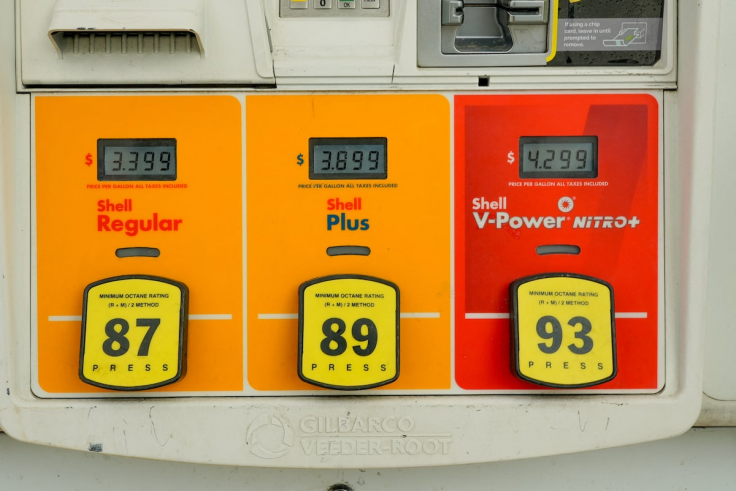
Conflict in Middle East Thickets world oil reserves. The market has also responded to geopolitical uncertainty with an aggravation of the reaction to supply shocks in the Gulf. Reuters according to industry sources claimed that Iraqi oil extraction on its southern fields has been reduced drastically with the export routes passing via the Strait of Hormuz being limited.
Three industry sources have said that the entirety of the Iraqi primary producing area has weakened by approximately 70 percent to merely 1.3million barrels daily due to the country being unable to export the crude through the strait. Southern Iraq storage facilities have also been over-filled meaning that the nation has a low capacity to sustain production.
Kuwait Petroleum Corporation too has started reducing production and has announced force majeure on shipments, but it did not indicate the extent of cuts. Other regional producers may soon meet the same predicament, according to analysts, as shipping disruptions continue to happen. The further uncertainty to the market has been brought by the further attacks leveled on the energy infrastructure by Iran. The governments of the United Arab Emirates claimed that a drone attack led to the explosion of a fire in one of the oil industry sectors of Fujairah but no casualties were reported.
The defence ministry of Saudi Arabia reported that it had intercepted a drone flying into an oilfield at Shaybah, explaining that there is an increasing threat of the facilities that store energy in the region being pulled into the battle. Market sentiment has also been affected by political developments within Iran. Recently the Iranian city of Tehran appointed Mojtaba Khamenei as the new supreme leader in the country following the death of his father Ali Khamenei in the conflict. The denouement of a hard-line successor has solidified the hopes that situation with the United States and Israel might continue.
The ambition of the U.S. President Donald Trump to overthrow the regime in Iran has been hampered by the fact that the new leader of Iran is the son of the late leader Satoru Yoshida a commodity analyst with Rakuten Securities. The perception hastened purchases because Iran is likely to keep its blockade over the Strait of Hormuz and to attack other oil-producing countries facility as was the case last week. Yoshida also commented that WTI prices may go to $120 and potentially $130 per barrel in case the disturbances persist.
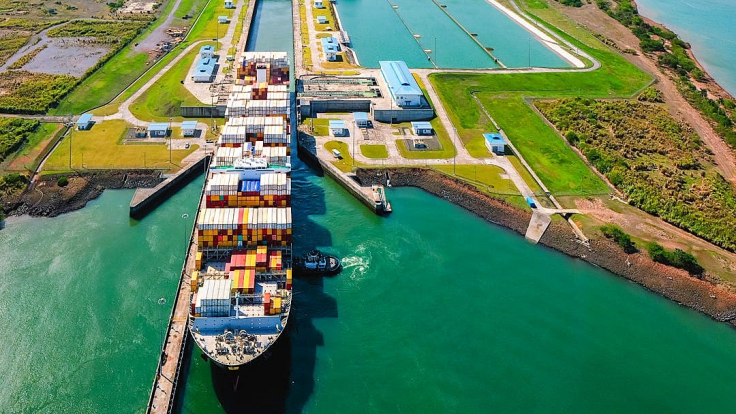
U.S. Shale outlook being changed by high Prices. Although increasing crude oil is usually a good change to the U.S. shale producers, the present boom has a complex future to the industry. An increase in oil prices will drive up revenues of shale operator in the Permian Basin of Texas and New Mexico. But long-term volatility and geopolitical insecurity can as well interfere with the investment planning, and supply chains and drilling activity.
The last several years were characterized by financial discipline, by the U.S. shale companies that have experienced previous periods of boom growth and excessive borrowing. Numerous producers have focused on the returns on their shareholders and debt reduction, instead of aggressively drilling.
Consequently, analysts believe that shale production might not react fast to a rise in price as it was the case in other past oil booms. Daniel Hynes (ANZ senior commodity strategist) cautioned that "there are more serious implications of global supply system disruptions when they are sustained over time". The next flag will be whether it could reach a stage where they will need to begin closing in oil wells, which despite being another blow to output it will take time to react when the conflict displays signs of easing also.
That would possibly maintain such prices a lot longer. Political discussion in Washington has also enhanced the skyrocketing in prices. U.S. Senate Democrat Majority Whip Chuck Schumer called on President Donald Trump to "order oil to be released to the Strategic Petroleum Reserve to stabilize the markets and ease consumer pressure". Schumer wrote that President Trump is to release oil in the SPR to stabilize the markets, reduce prices, and prevent the price shock that American families already experience due to his irresponsible war.
Energy analysts have observed that a strategic reserve release would only help in the short run, but would not solve the long run market disruptions caused by the Middle East trouble. The world markets are now highly observing the situation surrounding the Strait of Hormuz where normal tanker traffic is yet to be witnessed.
According to traders, additional assaults on shipping routes or energy plants will keep pushing the price of oil even higher in the nearest future. To date, the swift intensified geopolitical tensions and supply shocks have taken crude prices to their highest point since 2022, highlighting the delicate nature in which global energy markets would respond to the situation in the Middle East.


