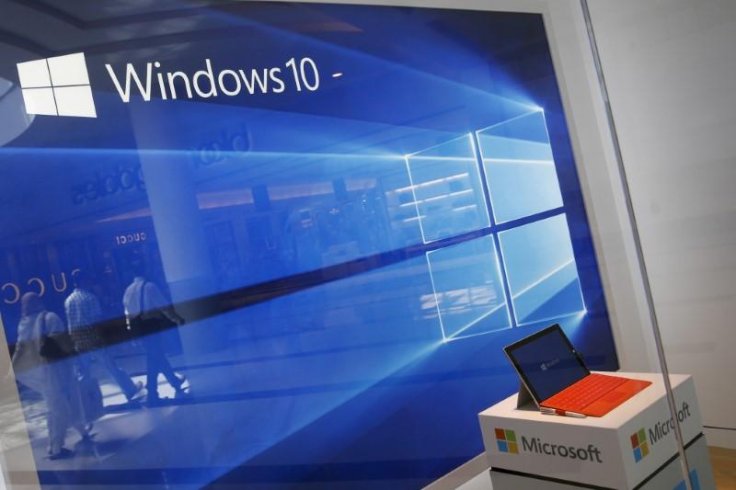
- Reports say Microsoft preparing Windows 12 release this year.
- New operating system expected to feature modular architecture.
- AI capabilities including Copilot integrated as core system feature.
- Upgrade may require NPU hardware, limiting compatibility.
It is also said that Microsoft is now preparing to release the next generation of its flagship operating system later this year and there have already been early reports that windows 12 will bring about modular architecture, integration of more artificial intelligence and even an upgraded version of subscription based advanced features.
In other technology sources, the next operating system, which is internally known as Hudson Valley Next, is predicted to be released at roughly the same time that Windows 10 support might end in October of 2025. The release would imply one of the most important shifts in the windows ecosystem within a decade. The new operating system will be said to be based on Microsoft CorePC architecture which was a project of development aimed at streamlining windows into more modules.
The system would enable users and device makers to include/exclude components as and when necessary to achieve lighter machines to be used in a productivity set up or a heavy-featured one in a gaming/enterprise setup. According to the analysts, this strategy may redefine how windows are installed on various hardware and devices in different forms including ordinary PCs, as well as more specialized hardware and platforms connected to the cloud. AI Is projected to become a feature of a core system.
Their new operating system is supposed to focus on artificial intelligence. Microsoft has already started with AI implementation in the current version of the windows through its Copilot assistant and it is said that it will be fully integrated in the upcoming version. The AI assistant Microsoft Copilot will probably be a core part of the operating system, and not an additional feature. That is why the users would be able to interact with the system by natural language commands to perform file management, productivity workflow, and automated system configuration tasks.
The shift is consistent with the overall approach to the strategy of Microsoft as an organization to market its devices as being AI PCs, or a concept that highlights hardware-based learning experiences on the machine. Reportedly, some of the more advanced AI capabilities could also be offered via a subscription model, which would enable Microsoft to offer advanced AI capabilities as an overlay on the underlying operating system.
Although the company has not formally acknowledged the information, such a move would also reflect the trends in the overall technology sector, where cloud-based and AI-enabled features are more and more being offered based on recurring service models.
Upgrades Might Be Limited By New Hardware Requirements
Among the most important transformations related to the mentioned Windows 12 release, one should pinpoint the fact that there is a new hardware requirement that may impact millions of already existing devices. The new operating system as opposed to the earlier versions is expected to need specific Neural Processing Unit (NPU) - a special chip that aims to speed up artificial intelligence programs.
In more recent processors, including NPUs is part of a few models especially in new generation laptops specialized in AI. Applications operating systems whose systems do not have such processors may fail to run the full version of the operating system.
According to industry analysts, this may lock out a significant part of the existing PCs in terms of upgrading just as the requirements of prior hardware lock-outs did when Windows 11 came with a mandatory TPM 2.0 security module. Proponents note that the requirement will restrict adoption in the near term, but AI-oriented hardware will be needed to handle more and more complex machine-learning workloads that are likely to directly execute on personal computers (Sipeh 2019).
Windows Development Could undergo a Modular Architecture
In addition to the AI integration, there is a significant structure change in the way Windows is assembled and deployed as reported CorePC modular system. Rather than put in place an operating system package which is single and fixed, the modular design would imply that various aspects of windows can be detachable as independent layers.
This would enhance the security and stability as core system functions are not exposed to the user-level applications and optional features. To the manufacturers, the architecture may also be able to allow customized windows builds so as to suit various gadgets.
Entry-level laptops or tablets could have light configurations, and high-performance versions could have complex AI solutions and games. The strategy also might provide quicker and more non-disruptive upgrades of the system since single modules might be updated individually instead of necessitating coding overhauls of the operating systems.
Screen Displays And Graphical New Matters
It is also possible that Windows 12 will welcome a re-designated interface, which seeks to revise the appearance and feel of the platform to date. Possible features that have been hinted at include a floating taskbar, transparent glass-like visual elements and a revamped desktop visual merchandise laid out to support AI-based workflows.
Although these aspects of design have not been substantiated officially, Microsoft has gradually updated the visual language of windows over the past few years as part of its bid to keep consistency between devices and services.
Timing And Implications In The Market
A later-year release would mean Windows 12 would be launched into a highly turbulent market where personal computing firms are scrambling to add AI into the very hardware that consumers use. The OS is already a massive presence within the giant PC market of the world, and Microsoft has a strong platform to drive AI adoption into the hands of millions of devices.
Nevertheless, the launching of new hardware needs and subscriptions services might also transform the upgrading process of its users and businesses.
As of today, Microsoft has not announced the release of the next Windows release date or specifications, however, industry coverage indicates that the Microsoft company is gearing a huge shift that could transform interaction between operating systems and artificial intelligence in the coming years.


