- Study finds sex-biased interbreeding between Neanderthals and humans.
- Researchers analyzed genomes of three female Neanderthals.
- Neanderthal DNA scarce on human X chromosome regions.
- Findings published 2026, led by University of Pennsylvania team.
The latest study, led by Sarah Tishkoff of the University of Pennsylvania compared data of three female Neanderthals (Altai, Chagyrskaya, and Vindija) with modern human data of sub-Saharan African people, who have no Neanderthal ancestry. The researchers were surprised to find that there was a serious sex bias in interbreeding: the flow of genes was mainly between Neanderthal males and AMH females.
This trend describes ancient genetic enigmas, including Neanderthal deserts (on the human X chromosome) almost completely deficient in Neanderthal DNA. These gaps which were previously explained by the biological incompatibility seem to be facilitated by mating preferences and no longer by the toxic genes.
Neanderthal X chromosomes on the contrary exhibit 62% surplus of modern human compared to autosomes DNA forming a mirror-image pattern. Due to the males being the possessors of their single X chromosome through a mother and only daughters will become the bearers of the chromosomes, male Neanderthal-female human interactions reduced the entry of the Neanderthal X chromosomes into the long term human gene pool.
The modeling eliminated the simplistic biases of demographic migration, giving preference to social or preferential factors. Platt described this as being the simplest explanation, which was provided by mating preferences. Tishkoff wrote that interbreeding must have occurred in numerous instances at different times during the several millennia since the separation of the lineages at 600,000 years ago.
Although their most recent common ancestor was an African, modern humans (non-African) are generally 1-2% Neanderthal, which was usually brought into them by their migrations out of Africa 50,000-60,000 years ago. The new discoveries dispel the belief that only natural selection could wipe out the inferior Neanderthal types.
Rather, they emphasize the way our prehistoric social decisions, which might have been cultural preferences or taboos, shaped our genome. The biases were not removed as early as the first hybridizations, as males of Neanderthal origin seemingly seemed to be favored in the process of backcrossing among the AMH populations.
From 'Brutish Cavemen' to Genetic Partners: A History of Bias
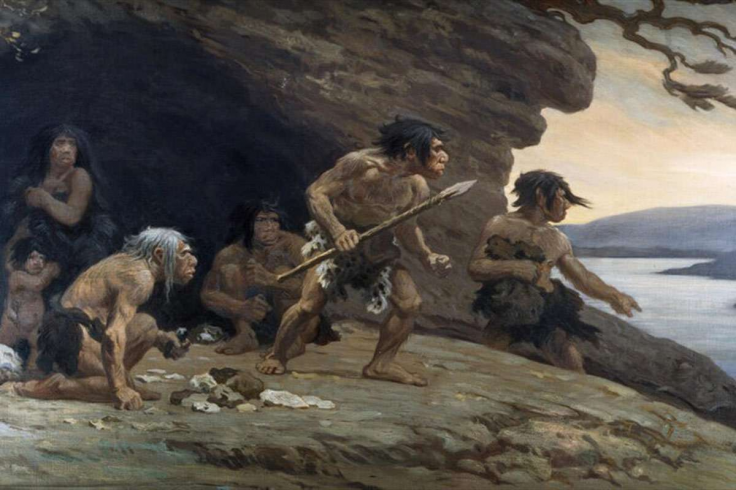
The discovery is based on an extensive history of Neanderthal studies and reveals the continuing prejudice that used to shape our relatives as evolutionary losers. Neanderthals were initially identified in the year 1856 in the Neander valley in Germany. Initial interpretations were the isotope of Victorianism views and colonialism. In 1864, paleontologist William King referred to them as an inferior species, less advanced than the degraded or savage races, basing his argument on shapes of skulls and alleged moral inferiority.
Reconstructions showed stooping and brutish ape-like figures - myths that were later disproved by records of erect posture and complex behaviour. Homo stupidus was even a derogatory name suggested by Ernst Haeckel. These depictions reflected the wider scientific racism whereby the Neanderthals were compared to non-Europeans who were considered primitive.
Neanderthals, who existed decades before us, had been positioned as evolutionary dead-ends, less intelligent, less adaptive, and finally replaced by more advanced Homo sapiens. This "brutish caveman" stereotype was further supported by the museum exhibits and popular media due to the Eurocentric perspectives that placed the modern Europeans as the (then) pinnacle of progress. The discourse of inferiority remained even after the Neanderthal culture, complex instruments, potential symbolic art, intentional interment, and attention to the injured suggested otherwise.
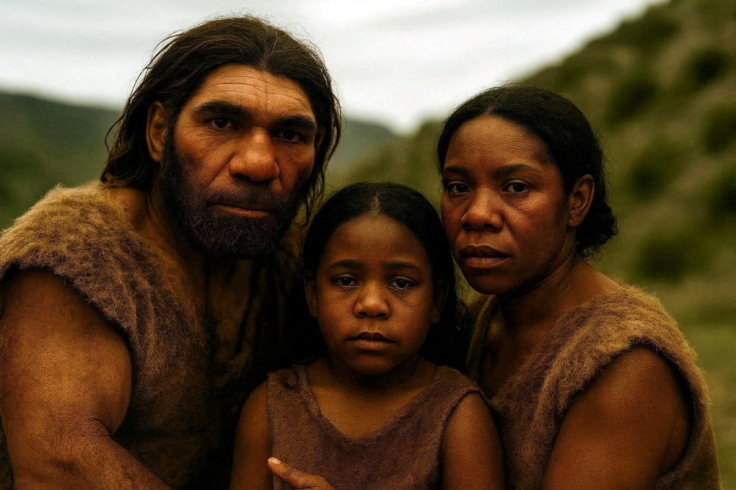
This was changed in 2010 with the publication of the Neanderthal genome by the team of Svante Paabo. It showed that non-Africans had inherited 1-2% of the Neanderthal DNA in the form of interbreeding, which disproved the strictly replacementist theory. Following research, adaptive advantages were found: Neanderthal types helped in immunity, UV pigmentation of the skin, and high-altitude in certain populations.
However still Deserts of Neanderthals particularly in the X chromosome were interpreted in a perspective of incompatibility. Scientists cited the Haldade rule (hybrid sterility or inviability in one sex) or the concept of negative selection against toxic alleles that were implicitly supporting a revival of outdated beliefs of biological inferiority.
The racial biases have been recorded as having introgressed into genomics by critics. In 2022, an analysis titled How Neanderthals Became White stated that the early 20th-century racial science stealthily informed the questions of the Neanderthal-human divergence and admixture. The representations of the Neanderthals as the other, darker, stocker, less advanced, and colonial hierarchies reflected those before the colonial periods.
Even the most recent work occasionally fell back into clinical, fitness-only explanations, and pushed social or cultural influences into the background of ancient interactions. Scientists had been excessively clinical in their approach to ancient genomes, as one commentator pointed out, disregarding the fact that these are all people, and people are biased, and people are interested.
2026 Study Reframes Human Evolution Through Social Choice
This legacy is squarely opposed in the 2026 study. It makes both species human through its ability to show that mate choice rather than genetic defect determined the distribution of Neanderthal DNA. Neanderthals were not biologically poisonous, but their contributions were selectively evaluated and dismissed on the basis of the social mechanism.
The overload of modern human DNA onto the X chromosomes of Neanderthals (even more abundantly than that of modern humans) also indicates openness to the reverse admixture at other times. This is in line with the mounting evidence of Neanderthal sophistication: they were able to regulate fire, make jewelry, and may have practiced symbolic behaviour. Climate changes, competition, and low population size probably caused extinction approximately 40,000 years ago as opposed to a lack of inherent inferiority.
Wider extensions can be made to human evolution. The evolution is not purely the survival of the fittest through the process of natural selection, social preferences and cultural biases were very important. The authors of the study now consider the issue of ancient social organization, e.g. patrilocality (males migrating) versus matrilocality using X-versus-autosome diversity ratios. Future ancient DNA on a larger number of people and areas can tell whether the biases were geographically or time based.
The historical prejudice against Neanderthals was not just an old fashioned mistake; it falsified explanations more than a hundred years, before we could come to understand that we are all human. There was a tendency of projecting modern prejudices onto the past by early scientists, just as there was an early tendency of genetic models to privilege incompatibility over preference.
The 2026 revelations, together with decades of genomic and archaeological progress, are a step in the right direction: Neanderthals were not an evolutionary footnote, but a partner in gene flow. We still have them in our DNA, and they teach us that ancient hookups were influenced by attraction, choice, and culture, which are universal human characteristics.
These early encounters as stressed by the team of Tishkoff were anything but isolated and unilateral accidents. These were reproduced, patterned and mediated by society. In terms of the recognition of mating preferences as a driver, science has finally outgrown Victorian myths on the subject to a far less biased perspective on our extinct relatives.
Further discoveries are likely to be made by on-going research, but one point is certain: bias in the interpretation has always been a part of the Neanderthal story. The most recent evidence deprives them of that, showing two peoples that were closely related, which met, mated and gave rise together to the human gene pool today.


