• CIA tracked Ayatollah Ali Khamenei's movements for months
• Intelligence identified leadership meeting in Tehran compound
• U.S. shared high-confidence location data with Israel
• Israeli strike killed Khamenei and senior Iranian officials
The killing of Iran's Supreme Leader Ayatollah Ali Khamenei and several senior officials followed months of intelligence tracking by the United States and close operational coordination with Israel, according to people familiar with the mission.
Officials briefed on the matter said the Central Intelligence Agency had been monitoring Khamenei's movements for months, refining assessments of his location and travel patterns. The breakthrough came when U.S. intelligence learned that a meeting of senior Iranian political and military leaders would take place at a central government compound in Tehran on Saturday morning - and that Khamenei himself would attend.
The intelligence, described by individuals familiar with it as "high fidelity," was passed to Israel. Both governments adjusted the timing of an already planned strike to take advantage of the gathering, shifting from an original nighttime window to a morning operation to maximize the opportunity.
The compound targeted housed offices associated with the presidency, the supreme leader and Iran's National Security Council. Israeli planners assessed that multiple senior defense and intelligence officials would be present.
Timing Shifted To Exploit Intelligence Window
According to people with knowledge of the operation, Israeli fighter jets took off around 6 a.m. local time. Armed with long-range precision munitions, the aircraft required a limited formation size due to the targeted nature of the strike.
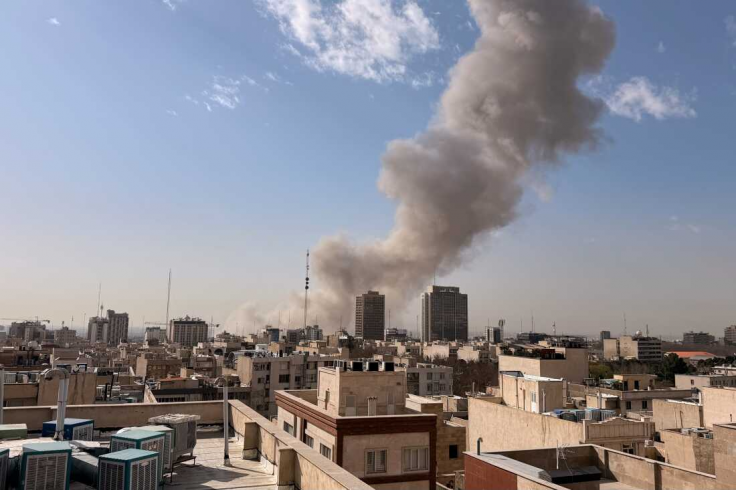
At approximately 9:40 a.m. in Tehran, long-range missiles struck multiple buildings within the compound. At the time, senior Iranian national security officials were gathered in one structure, while Khamenei was in a nearby building.
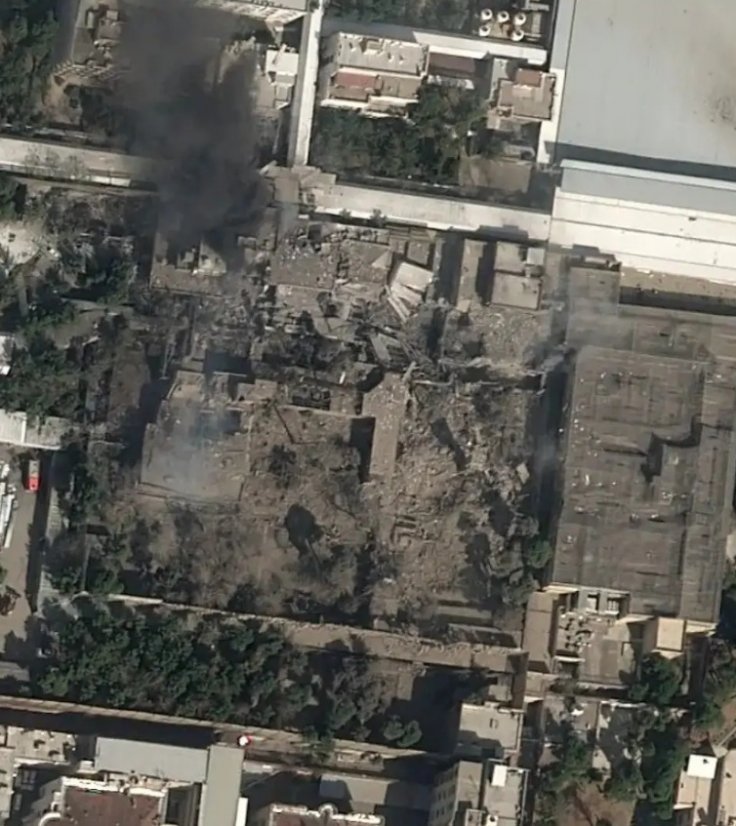
An Israeli defense official said in a message reviewed by reporters: "This morning's strike was carried out simultaneously at several locations in Tehran, in one of which senior figures of Iran's political-security echelon had gathered." The official added that despite Iranian preparations for possible hostilities, Israel achieved "tactical surprise."
The White House and the CIA declined to comment publicly.
Iran's state news agency IRNA later confirmed the deaths of two senior military leaders whom Israel had said were killed: Admiral Ali Shamkhani and General Mohammad Pakpour. Iranian authorities have not publicly detailed the full casualty list.
Months Of Preparation And Intelligence Refinement
Individuals briefed on the planning said the operation reflected extensive intelligence collection dating back to last year's 12-day conflict between Iran, Israel and the United States.
During that earlier confrontation, U.S. officials gained insight into how Iran's leadership and the Islamic Revolutionary Guard Corps communicated and relocated under pressure. That information was later used to refine predictive models of Khamenei's movements.
A former U.S. official said that intelligence on the supreme leader's whereabouts had been developing over time and improved significantly after the prior conflict. President Donald Trump had publicly stated last June that the United States knew where Khamenei was located but chose not to act at that time.
In addition to the strike on the leadership compound, follow-on attacks targeted locations associated with senior intelligence officers. While one top intelligence official reportedly escaped, people briefed on the operation described the senior ranks of Iran's intelligence apparatus as heavily damaged.
The strike represents one of the most consequential targeted operations in the region in decades, underscoring the depth of intelligence cooperation between Washington and Jerusalem.
As governments assess the aftermath, officials have indicated that intelligence-sharing mechanisms between the United States and Israel remain active, though further operational details have not been publicly disclosed.


