- 2018 American Gut Project linked plant diversity to microbiome.
- Study analysed 10,000 participants across US, UK, Australia.
- Consuming 30 weekly plant foods associated with higher diversity.
- Guideline promotes dietary variety without eliminating meat.
Eating 30 different plant foods a week might sound like another wellness trend, but the idea stems from research into gut bacteria and dietary diversity. The American Gut Project, published in 2018, analyzed data from more than 10,000 participants across the United States, United Kingdom and Australia. Researchers found that people who consumed 30 or more distinct plant foods weekly tended to have a more diverse gut microbiome than those who ate 10 or fewer.
Microbial diversity in the gut has been linked in numerous studies to improved digestion, stronger immune response and reduced risk of certain chronic conditions. The 30-plant figure is not a medical prescription, but it offers a practical benchmark to encourage broader food choices rather than restrictive dieting. Crucially, it does not require eliminating meat or avoiding supermarket convenience foods altogether.
The definition of "plants" is expansive. Fruit and vegetables count, but so do nuts, seeds, wholegrains, legumes, herbs and spices. Coffee, tea, popcorn and dark chocolate also qualify. Refined white bread and pasta are excluded, while wholegrain versions count. The focus is variety across the week rather than large portions of a few staples.
What Counts as a Plant Point
The term "plant point" was popularised by nutrition scientist Tim Spector. In practical terms, one portion of fruit, vegetables or legumes counts as one point. A tablespoon of seeds equals one point. Herbs and spices usually contribute a quarter point. The system is designed to simplify dietary diversity rather than encourage strict measurement.
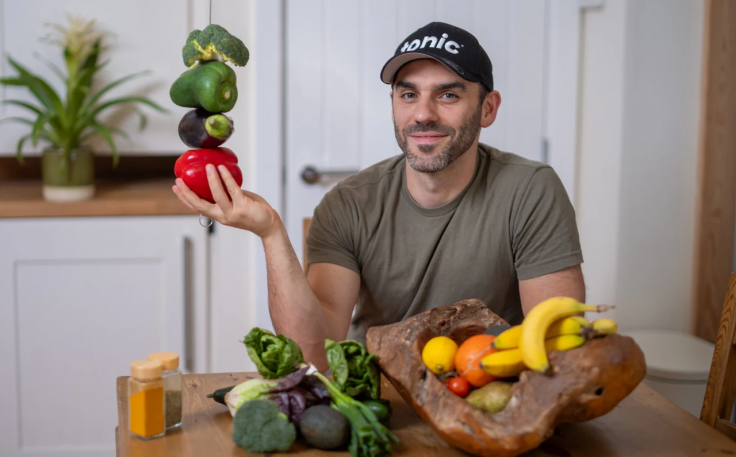
Sunna van Kampen, author of The Good, the Bad and the Healthy: How to Make Smarter Daily Choices, argues that the target should remain flexible.
"The 30 plants a week target isn't a strict scientific threshold, it emerged from observational research showing that people who eat a wider range of plant foods tend to have more diverse gut microbiomes," he explains. "It's about variety, not micromanaging plant points or fractions of herbs or spices. I'm a big believer in keeping health advice simple and practical, because the clearer the message, the more likely people are to actually follow it."
He compares the guideline to the 10,000 steps-a-day benchmark. "Whether it's 10,000 steps or 9,000 steps, 28 plants a week or 32, it's more about the direction you're going in. We should walk more. We should eat more plants. There's not a lot of science to back up these specific figures, but the key is to have a target."
Cost concerns often deter families from increasing fresh produce purchases. Yet many plant-based foods that expand diversity, such as oats, lentils, beans and seeds, remain among the least expensive supermarket items. The approach prioritises mixing ingredients rather than buying premium health products.
Practical Ways to Reach 30
Breakfast offers an efficient starting point. Van Kampen regularly eats yoghurt with homemade granola and grated apple. A single bowl can contain oats, mixed nuts, sunflower seeds, pumpkin seeds and chia seeds, along with fruit toppings. Depending on the combination, breakfast alone can deliver around 10 plant points.
Smoothies provide another route. Blending berries with yoghurt or milk can mask the flavour of greens such as spinach or kale. Adding flax, chia or pumpkin seeds increases diversity without significantly altering taste. Seeds are typically less expensive than many nuts, making them a cost-effective option.

Supermarket salads can also contribute substantially. Van Kampen often chooses the M&S Naked Chicken Katsu Salad for lunch, which he says can bring his cumulative daily plant total to 28 by midday. Such salads often contain mixed leaves, shredded vegetables and grains, allowing several plant types in one portion without additional preparation.
Dinner becomes an opportunity to add further variety rather than start from scratch. A spaghetti bolognese enriched with lentils, carrots, celery, mushrooms, chopped tomatoes, grated courgette, aubergine and parsley can add eight more plant varieties. Across the day, this pattern comfortably exceeds the weekly target when repeated with small variations.
Beyond structured meals, mixed products increase diversity automatically. Mixed beans replace single-variety tins. Frozen mixed berries offer broader range than fresh punnets of one fruit. A bag of mixed nuts introduces several plant sources in one purchase.
Herbs and spices count too. Frozen coriander, basil or parsley provide longevity and reduce waste compared with fresh bunches. Fermented and jarred vegetables such as gherkins, sauerkraut and kimchi add further plant types while offering extended shelf life.
Also read: Scientists Map Quakes in Earth's Core, Something So Unusual As Ghostly Galaxy in Universe
The principle behind the 30-plant guideline is cumulative diversity rather than strict accounting. Research continues to examine the precise relationship between gut microbiota and long-term health outcomes. For most households, incremental additions across meals - swapping refined grains for wholegrains, adding seeds to breakfast, incorporating mixed vegetables into sauces - make the target more manageable than it initially appears.
Recommended FAQ's
What is the 30 plant foods a week diet trend?
It is a guideline encouraging people to eat at least 30 different plant foods weekly to support gut microbiome diversity. The idea comes from research linking broader plant variety to improved digestive and immune health.
What counts toward the 30 plant foods target?
Fruit, vegetables, wholegrains, legumes, nuts, seeds, herbs and spices all qualify. Coffee, tea and dark chocolate also count, while refined white bread and pasta do not.
Is there scientific proof behind eating 30 plants a week?
The benchmark comes from observational research, including the 2018 American Gut Project, which found greater gut diversity among people eating 30 or more plant types weekly. It is not a strict medical rule but a practical target to encourage dietary variety.
Do you have to go vegetarian to reach 30 plant foods?
No. The approach focuses on adding plant diversity rather than eliminating meat or processed foods. It can be incorporated into mixed diets by increasing variety across meals.
How can you realistically hit 30 plant foods in a week?
Adding mixed nuts, seeds and fruit at breakfast, choosing multi-ingredient salads and enriching dinners with lentils and vegetables can quickly raise plant variety. Small swaps like wholegrains instead of refined grains also help build the total.


