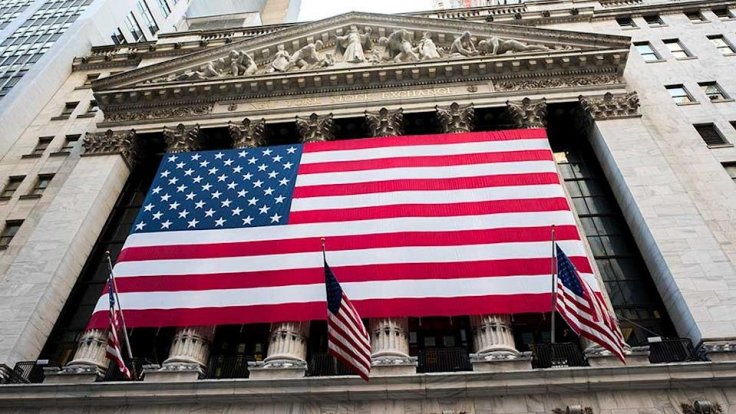
- U.S. stocks surge with Dow up 913 points on ceasefire hopes
- S&P 500 and Nasdaq jump as oil prices retreat
- Trump delays Iran strike deadline to April 6, boosting sentiment
- Rally contrasts with worst quarterly performance in nearly four years
U.S. equity markets posted their best single-session gains since the Iran conflict began. The Dow Jones Industrial Average jumped 913 points. Traders were betting on a diplomatic off-ramp from a war that has already killed thousands.
The surge on March 31 came as President Donald Trump extended a threatened deadline for a U.S. strike on Iran's energy infrastructure, pushing the cutoff to April 6 and signaling that negotiations, however fragile, were still in motion.
The S&P 500 (Standard & Poor's 500 index, the benchmark measure of large-cap U.S. equities) climbed 2.34%, while the Nasdaq Composite, the tech-heavy exchange index, surged 3.24%. Oil prices retreated on the same session, offering a second source of relief for equity traders who had watched energy costs stoke inflation fears throughout the conflict.
The gains were the largest on any single day since fighting began, according to Chronicle Journal Markets. Still, they arrive at the tail end of a quarter that has punished investors. Major indices remain on track for their worst quarterly and monthly performance in nearly four years, a backdrop that puts the single-session euphoria in sharp relief.
The April 6 Countdown and the Diplomatic Tightrope
Trump's decision to delay a strike on Iran's energy infrastructure and extend the Strait of Hormuz deadline to April 6 gave markets the catalyst they needed. The Strait of Hormuz, the narrow waterway between Iran and Oman through which roughly 20% of the world's seaborne oil passes, had been at the center of U.S. threats to restrict Iranian exports.
Defense Secretary Pete Hegseth said publicly that the "next few days would be decisive in determining the conflict's trajectory". The White House confirmed that Iran negotiations were continuing, while simultaneously warning of greater consequences if Iran did not acknowledge military defeat. Tehran, for its part, had previously dismissed Trump's ceasefire framework, and Seeking Alpha reported that talks had reached an impasse, with both sides hardening their positions.
The April 6 date now functions as a hard pressure point. Traders appear to be pricing in a deal rather than a strike, though no formal agreement has been announced. Any breakdown in talks before that date carries the potential to reverse the week's gains rapidly.
Tech Stocks, Chipmakers, and the Supply Chain Signal
Technology stocks led the session's advance, with chipmakers and communication-services companies posting outsized gains. The move reflected a specific anxiety that had built up over weeks of conflict: the Iran war's disruption to regional supply chains, particularly for semiconductor components routed through Middle Eastern logistics hubs, had weighed on the sector throughout the quarter.

De-escalation hopes offered chipmakers a two-sided benefit. Lower oil prices reduce manufacturing and shipping costs, while any easing of regional instability reduces the premium investors attach to supply-chain risk. The Nasdaq's 3.24% single-session gain captured both effects.
The sector's sensitivity to geopolitical risk has made it an informal barometer for how seriously traders are taking peace signals. On days when diplomatic language softens, chipmakers have tended to outperform. On days when rhetoric hardens, they have led declines. The March 31 session fit the pattern.
A War Still Being Fought
The market optimism sits alongside a conflict that has exacted a severe human toll. More than 1,900 Iranians and nearly 1,100 Lebanese have been killed since fighting began, according to Newsday. The Iran war has caused severe casualties and displacement across the wider region.
Oil prices had spiked sharply during the conflict's most intense phases, reviving inflation concerns that the Federal Reserve had spent years trying to extinguish. The Fed, according to News.az, signaled steady policy amid the tensions, declining to move rates in either direction while the geopolitical picture remained unresolved.
Barchart noted that "markets had opened lower in prior sessions amid persistent geopolitical risks and rising Treasury yields, reflecting the tug-of-war between diplomatic signals and battlefield reality that has defined trading throughout the conflict". The March 31 rally did not erase those pressures. It reflected a single afternoon's read on a negotiation that both sides have publicly characterized in incompatible terms.
In separate reports, mlq.ai cited a Dow gain of approximately 1,100 points tied to peace negotiation reports, a figure that could not be independently verified from a second source. The discrepancy between that figure and the 913-point gain reported by the Economic Times reflects the session's intraday volatility, with indices moving sharply as each new diplomatic headline crossed the wire.
The quarter's final scorecard will land regardless of how April 6 resolves. For American investors, the session's gains represent the best evidence yet that markets are treating the Iran conflict as a solvable variable. Whether the diplomacy delivers before the deadline is a question the next few trading days will answer in real time.


