A girls' primary school in Minab County, in Iran's southern Hormozgan province, was hit during coordinated military operations involving the United States and Israel on February 28. Iranian state media said at least 51 students were killed, with dozens more injured in the strike.
The strike came as hostilities intensified across the region, triggering retaliatory actions and tighter security measures in several countries. State-run media later confirmed that the death toll at the girls' school had climbed to 51. The attack was part of a broader wave of strikes carried out by the United States and Israeli forces after weeks of rising tensions and stalled diplomatic efforts among the nations.
Iran Under Attack
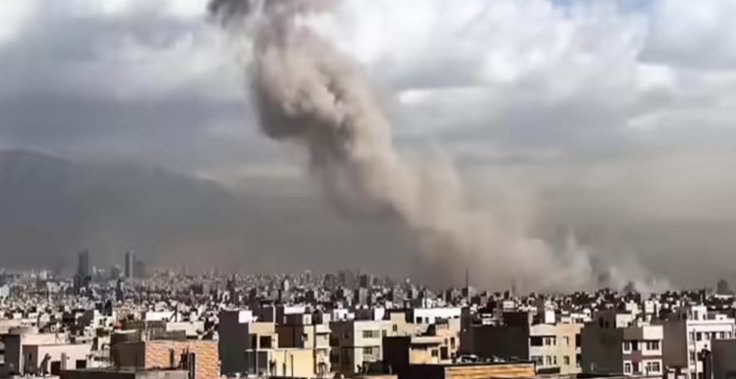
Reports indicated the school itself was directly struck, killing young students. Officials added that many others were wounded, though early casualty figures varied as details continued to emerge.
As further details emerged, it became clear that the strike on the school was part of a much wider military campaign.
The operation, described as a coordinated effort by the United States and Israel, triggered explosions across Tehran and several other Iranian cities. Iran responded almost immediately, launching retaliatory missiles at U.S. and Israeli targets throughout the region.
In the aftermath, reports said both Iran and Israel shut down their airspace to civilian flights, while internet access was disrupted in parts of Iran. The Israeli military claimed it had struck "hundreds of Iranian military targets," while Iranian officials vowed a forceful response to what they called outright military aggression.
The fallout quickly spread beyond Iran and Israel. Air raid sirens and explosions were reported in multiple Gulf nations. In the United Arab Emirates, shrapnel from a missile strike killed one civilian, and several countries issued alerts urging residents and travelers to stay cautious.
Middle East Under Threat
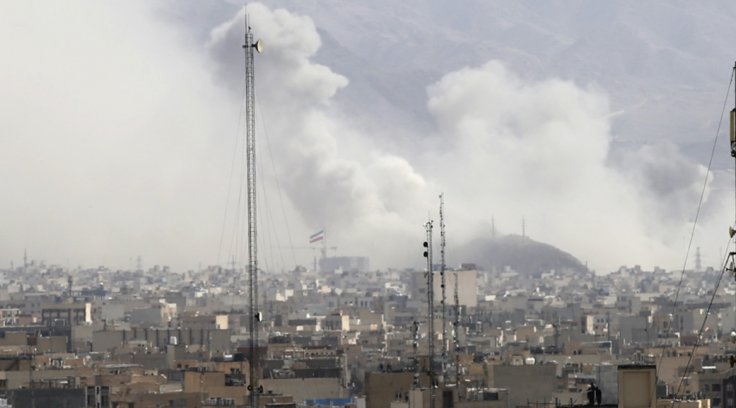
Air travel across the Middle East was heavily affected, with international airlines canceling or rerouting flights as airspace over Iran, Iraq, and nearby countries closed. With tensions still high, authorities across the region urged people to follow official instructions closely and avoid relying on unverified or misleading information.
"Protection of civilians and international humanitarian law is a priority. Our consular network is fully engaged in facilitating departures for EU citizens," stated European Union officials, emphasizing the need for restraint and civilian safety.
As the crisis unfolded, Iranian officials moved to push back against reports of senior military losses, insisting that Defense Chief Amir Hatami was unharmed and continuing to direct operations. At the same time, the wider conflict sparked strong international criticism, with renewed calls for restraint and de-escalation.
Inside Iran, the fallout also fueled growing public anger. Student activism surged after the attack, with university students organizing protests and holding memorials for those who were killed. The demonstrations underscored deepening domestic unrest and mounting demands for accountability as violence continued to shake the country.


