- Oil prices surge above $115 after Middle East energy attacks
- Iran targets Qatar, Saudi, Kuwait facilities following Israel strike
- Brent rises sharply while WTI lags amid supply disruptions
- Federal Reserve holds rates, signals higher inflation due to war
On Thursday, oil prices shot higher, with benchmark crude oil rising more than $115 a barrel, following a series of attacks on energy infrastructure in the Middle East that further heightened the fear that supply would be disrupted in the long term.
The price of Brent crude futures shot up to as high as almost $115.10 per barrel intraday (nearly) before turning back a little to trade up at least 6.08 or 5.7 percent at 113.46. This is after upsurge of about 3 percent in the last session, which highlights the accelerating upward trend. U.S. West Texas Intermediate crude increased 57 cents to $96.89 a barrel and had previously shot up close to $4 to temporarily reach 100.02.
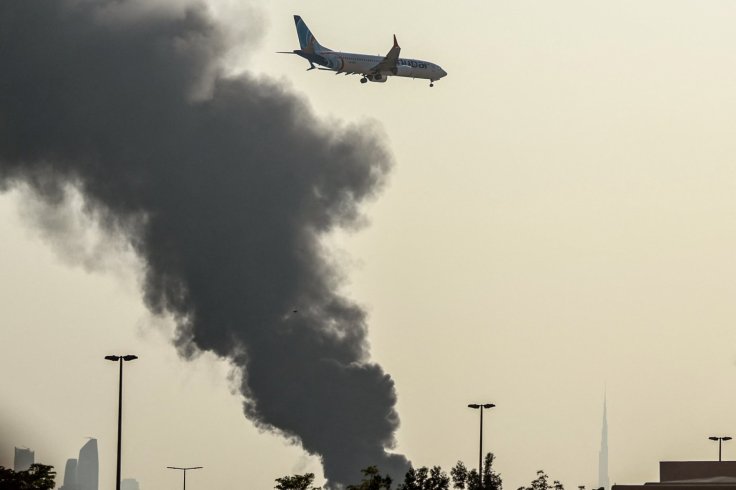
Reuters indicates that the rally happened because Iran hit crucial energy facilities in Qatar, Saudi Arabia and Kuwait with missile and drones attacks, which was a major escalation to the ongoing conflict. The attacks were due to the position of Israel, who attacked the South Pars gas field which is one of the largest gas fields in the world.
The state energy firm QatarEnergy in Qatar said there were massive destruction at its industrial hub Ras Laffan, which is a key producing facility of liquefied natural gas. Saudi Arabia alleged to have intercepted several ballistic missiles aimed at Riyadh and foiled a drone attack on a gas facility, and Kuwait alleged that a drone attack had sparked a fire at its Mina al-Ahmadi refinery.
The increasing areas of attack have caused concern about the susceptibility of the energy infrastructure in a region that produces a large portion of the world oil and gas.
Market Volatility is caused by Supply Risks
The increase has strengthened anxieties over long-term impacts to global supply chains, especially with the Strait of Hormuz being limited. The waterway also manages approximately 20 percent of the oil and liquefied natural gas flows in the world and as such it is an important choke point in energy markets.
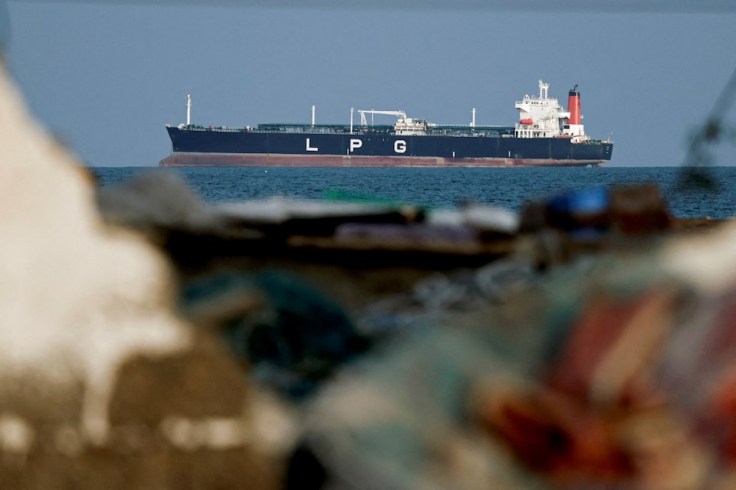
The rise in the Middle East, accurate strike of oil facilities and killing of Iranian leadership is an indication that shows that there will be a long period of disruption in oil supply, as stated by Priyanka Sachdeva, an analyst with Phillip Nova.
The spread between the Brent and WTI has also increased with the U.S. crude trading at a broader discount in the last ten years. Analysts explain this discontinuity by continued U.S. strategic reserve releases and rising transportation expenses despite the world standards responding more directly to the Middle East supply risks.
According to market participants, the attacks mark a change of targeting economic infrastructure, which puts the possibility of greater volatility in the long term in high. The overall impact of repeated attacks on manufacturing and processing plants has increased the fear that disruption of the supply can not be limited to short-term shock.
Fed Signals Compounded Market Pressure
Oil rally has been accompanied by indications of Federal Reserve which has maintained interests rates at the same time declaring of increasing inflationary pressures as a result of the conflict. Reuters reported that according to policymakers, an increase in energy prices may be passed on to other prices, making financial policy more challenging to predict.
To make things worse, the Federal Reserve was issuing steady rates accompanied by a hawkish storyline with references to economic apprehension that came after war, Sachdeva said.
The position of the central bank is a review of the balance between declining growth and enduring inflation by the markets. The increase in oil prices will push up costs in transport and manufacturing, which may have an overall impact on consumer prices in the world market.
Meanwhile, the geopolitical processes keep changing. U.S. President Donald Trump indicated that Israel would not make additional attacks on South Pars facilities of Iran, unless attacked by Iran again on Qatar and threatened the U.S. would act in response.
Greater Implications To International Energy Markets
The recent flareup brings to light the increased susceptibility of energy systems to geopolitical confrontation. Constant attacks on the production centers, refineries and transport networks have increased both producer and consumer uncertainty.
The analysts of the industry observe that even minor physical damage may have disproportionate impacts on prices as the markets take the risk of disruption into account. Volatility has been further increased because of the psychological effects of attacking high-value assets.
According to Reuters, the conflict has already led to conversation in the U.S. administration on the decision to use more military forces in the region and this is clear that more may happen.
The drastic increase in the prices of oil indicates that the market has become more geopolitically risky and the safety of supply has become a key issue in stabilizing energy around the world.


