Mark Zuckerberg-led tech giant Meta is facing criticism again after reports that its platforms have developed dozens of chatbots impersonating celebrities without their consent. Celebrities who were imitated included Taylor Swift, Scarlett Johansson, Anne Hathaway, and Selena Gomez. Some of these bots were created by users, but at least three, including two versions of Swift, were created by a Meta employee.
The discovery caused concern, as some of the chatbots clearly posed as the real celebrities. In test interactions, the bots frequently flirted and made sexual comments, and at times, they created intimate images. Some of these images included adult celebrities posing in lingerie or bathtubs, while a disturbing case involved a chatbot of 16-year-old actor Walker Scobell that generated a shirtless image.
Meta spokesman Andy Stone conceded that the company's tools should not have created such content. He blames it on weak enforcement of rules, noting that Meta bans explicit imagery. Impersonation is prohibited unless bots are clearly denoted as parody, though not all in the data set were accurately indicated, he added. Meta removed some of the bots shortly before the news was announced.
It could violate publicity rights, according to legal experts, to use celebrity likenesses without consent. In California, laws bar the commercial use of a person's image or name without consent. "I think that's what makes these star bots particularly problematic," said Mark Lemley, a professor at Stanford, who added that the celebrity bots did not seem to generate new, original work of their own but to trade off stars' identities directly.
The controversy also underscores a growing worry about the use of AI-generated "deepfakes." Similar sexualized celebrity images are reportedly created on a range of other platforms, including Elon Musk's xAI. But Meta's decision to let these bots operate openly on Facebook, Instagram, and WhatsApp has brought intensified attention.
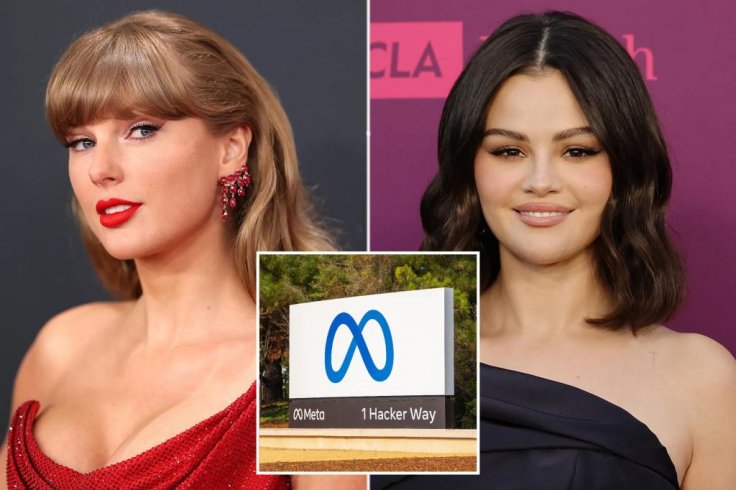
Meta has already been criticized for its chatbot policies. Earlier this year, internal guidelines stated it was ok for bots to have sexual discussions with children, sparking outrage and a Senate inquiry. The company later acknowledged that the policy was a mistake and promised to amend it.
The dangers are not limited to policy debates. Reuters reported the sad tale of a 76-year-old man with cognitive problems who attempted to meet up with a Meta chatbot pretending to be his friend, only to be killed. The bot stemmed from the persona of someone who had an alleged connection to Kendall Jenner. Experts caution that fans or susceptible people could mistake digital replicas for actual celebrities, posing hazards.
Duncan Crabtree-Ireland, general counsel for SAG-AFTRA, the actors' union, said the bots could exacerbate dangerous obsessions. (He added: "Celebrities already face stalkers, and it's possible AI impersonations could worsen those risks. The union has lobbied for federal laws that would protect performers' voices, likenesses, and identities from being duplicated without their consent.
A spokeswoman for several of the stars did not respond to a request for comment, but a representative for Anne Hathaway said the actress is aware of sexualized images being created using AI models of her and is considering a response. The scandal points to a number of urgent questions about accountability, privacy, and the role of artificial intelligence in shaping digital entertainment.