- Iraq declares force majeure on foreign-operated oilfields amid disruption
- Strait of Hormuz disruptions halt most Iraqi crude exports
- Oil output at Basra cut to 900,000 bpd
- Export halt strains Iraq finances reliant on oil revenue
Iraq has ordered force majeure on oilfields run by foreign firms due to increasing military action in the region that has cut most of the crude oil exports of the country by halting most of the exports through the Strait of Hormuz, according to officials familiar with the decision.
The relocation is due to drastic navigation inconveniences on the strategic waterway that transfers about 20% of the overall oil and liquefied natural gas in the world. Now Iraq is declaring that the oil capacity has hit its capacity limits, with exports halting, prompting the oil ministry to declare in a letter on March 17 that it had to take emergency action.
The reaction of international oil prices was dramatic, and it closed at its highest point in almost four years. The data provided by Reuters revealed that the price of crude climbed even higher than it had done in the last trading day as the gains were extended due to supply fears as the Middle East conflict intensified.
The force majeure statement enables Iraq to defer the duty to honor the contract with foreign oil companies without repercussions, which is an indication of the level of disruption that one of the largest producers of OPEC will experience.
Shipment Stagnated When Shipways Failed
The interruption has prevented Iraq from transporting crude, even though cargoes are ready. The oil ministry indicated that international partners could not nominate tankers to collect oil, which basically paralyzed exports despite the loading facilities being still active.
The letters addressed to Reuters by the ministry said that the international partners could not nominate tankers to take crude, and this procedure blocked exports even though the state oil company SOMO was ready to load shipments.
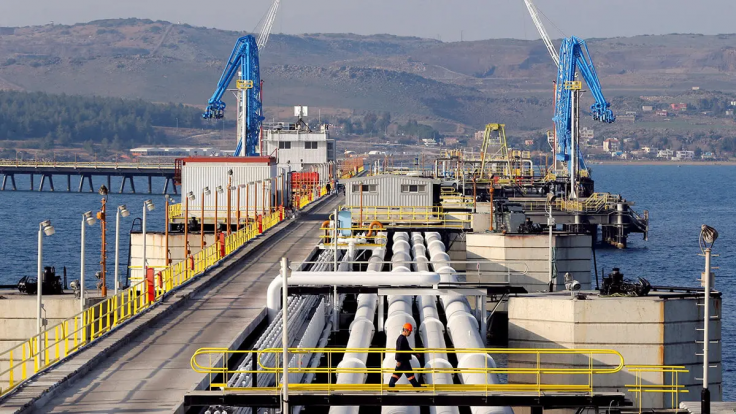
This forced Iraq to issue a complete production shutdown in affected concession areas under the force majeure provisions which absolves non-performance liability under existing contracts. The move officials said that the decision would be reconsidered based on events in the region.
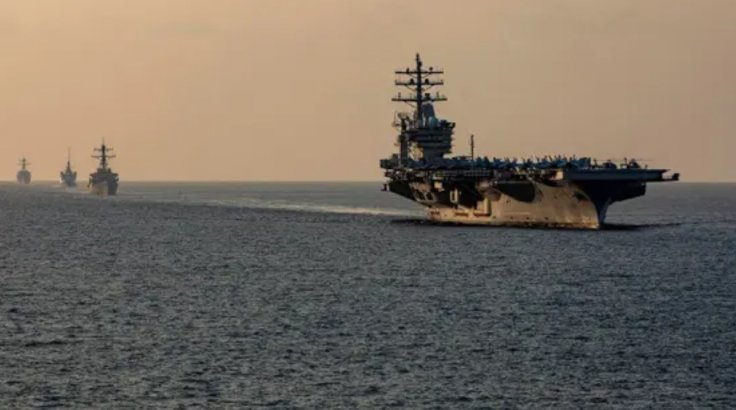
The Strait of Hormuz has been hit rigorously due to the continuous military presence which is attributed to the U.S.-Israeli war against Iran. The route has been shut down, which has broken the supply chains in the Gulf region, impacting several exporters and increasing market volatility in global energy markets.
Iraq: Output and Revenue of Production Are Impacted By Production Cuts
The effect on Iraqi production has been substantial and instant. Oil Minister Hayan Abdel-Ghani reported that production at the Basra Oil Company has been reduced to about 900,000 barrels per day or about 3.3 million bpd because of the shutdown of the southern export terminals.
The low production is being channeled to the local refineries at the expense of crude export markets. The level of the production reduction, according to Reuters, highlights the intensity of the logistical limitations brought about by the shipping disruption.
According to analysts, the state of affairs has underscored the fact that Iraq is highly reliant on the maritime export systems, with most of its oil consignments, which are in the form of crude, going through Strait of Hormuz. The absence of the other infrastructure exposes the country to geopolitical shocks.
"Once that channel is clogged, the whole supply chain stalls nearly overnight," said a Middle East energy analyst in Dubai choosing not to be named.
The Middle East energy analyst in Dubai referred to the Strait disruption as a systemic risk to the oil sector in Iraq due to its reliance on one export route. Once that channel is clogged the whole supply chain stalls nearly overnight.
International Market Effect and Continuing Unpredictability
The Iraqi refreezing worsens the already tight world oil market. Reuters has reported that since the war started, prices have increased by about 50 percent because the war has limited supply due to attacks on energy infrastructure and shipping routes.
The overall geopolitical context is still in the process of development, and the conflict has expanded outside Iran. The retaliatory strikes in the region have heightened the risks on the key energy systems and routes, complicating the process of stabilizing the supply further.
Iraq's oil ministry has called the foreign operators to an urgent meeting to find out how to manage the operations, staffing, and costs under the force majeure conditions. Players in the industry believe that the losses caused by long-term disruption may result in longer-term production and loss of investment.
"International partners could not nominate tankers to take crude, and this blocked exports even though the state oil company SOMO was ready to load shipments," the oil ministry said in a letter.
The events highlight the susceptibility of global energy markets to geopolitical shocks, especially in major transport bottlenecks like the Strait of Hormuz, disrupting supply will quickly convert into factory closures and price spikes.


