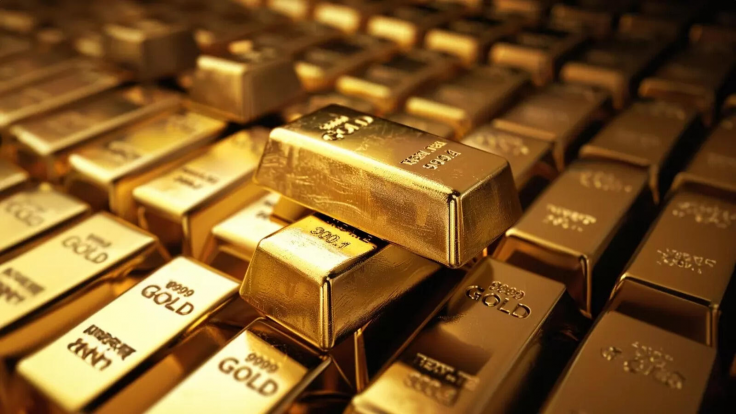
- Gold prices fall as stronger U.S. dollar reduces bullion demand
- Spot gold drops 0.5% to $5,151.51 per ounce
- Oil surge raises inflation fears, delaying potential Federal Reserve rate cuts
- Investors await U.S. PCE inflation data for monetary policy signals
Prices of the gold stood at the edge of a downward move on Thursday with increasing burden on the prices of the bullion due to the stronger U.S. dollar and with the oil prices soaring high again, there was fear of the undying inflation that would slow down the rate of inflation of Federal Reserve. In early trading, spot gold dropped approximately 0.5 per cent to $5,151.51 per ounce and U.S. April gold futures contracts dropped approximately 0.4 per cent to 5,156.20.
This fall followed the trading of the precious metal in the last session around the 5,200, a pullback given that the currency markets shifted the way towards the dollar. The U.S dollar index gained by approximately 0.3 percent throughout the session and made the gold even more expensive to the buyers with the other currencies. Reuters data suggests that a stronger dollar has repeatedly capped the gains of gold in the past few weeks as the geopolitical tensions more and more stimulated the need of safe-haven assets.
Investors are also repricing monetary policy expectations as new inflation alerts rang out together with an increase in world oil prices. The oil markets have been mounting significantly since the interruption to the flows of energy in the Middle East and so there are chances that the inflation pressures would be high longer than expected.
Increased cost of energy is especially more notable to gold since it affects the expectation regarding interest rates. At the time when there are increased risks of inflation, the central banks hesitate to cut the rates or lower rates and this practice normally pressures the people to sell gold since there is no yield on the metal.
Nicholas Frappell, who is global head of institutional markets at ABC Refinery, claimed "the safe-haven force generated by geopolitical turmoil is being neutralised by the currency and interest-rate factor at present". Frappell said that he believes the USD strength and interrelated rates narrative is a minor headwind to gold even though the violence that is happening in reality is very much supportive of gold.
Crude oil Shock Revitalises Inflation Fears
The energy markets have become one of the biggest sensational movers in commodity and financial markets this week. Energy prices spiked when attacks on merchant shipping in the Gulf increased supply disruptions and made transporting through the Strait of Hormuz a major shipping route in the world market a very difficult task.
Slightly lessen its trading, the high price of crude oil hit a high of above 119 per barrel, which was experienced earlier in the week, the first it had been since 2022. The sudden increase in the energy cost has provoked the fear of another series of inflation as in the cases of energy shocks observed during the geopolitical crises in the past.
Iranian authorities also threatened that the price of oil may go up to possibly 200 a barrel in the event that the conflict worsens, and this is a worry as it pours more oil in the inflation rate in the big economies. Meanwhile, the International Energy Agency has requested a huge coordinated discharge of approximately 400 million barrels of the strategic reserves to alleviate demand on the world supply.

The direction of the higher oil prices into inflation is the rise of transportation, manufacturing and agricultural prices. Analysts state that a new wave has complicated the attempt by the central banks to loosen the monetary policy following a few years of harsh increments of the rates. The prospects of interest cut in the United States and other major economies are also being re-examined by the financial markets.
Reuters reported that due to the soaring of the energy prices, the yield of government bonds has already gone up, which has strengthened the dollar as investors expect the central banks to be more-cautious. Vandana Hari, founder of Vanda Insights, said that energy-motivated inflation shocks have a tendency of spreading across various economic sectors. In the event the oil remains high over a considerable duration then it diminishes the chances of the central banks acting swiftly to reduce the interest rates.
There is also the direct relationship of gold with increasing yields. When the yield of the bonds increases, investors are able to make significant returns out of the fixed income securities and thus the value of holding commodities like gold which are not yielding loses its interest. Investors Wait U.S. critical inflation figures. Traders have become keen on the future economic reportages that may influence anticipations of U.S. liquidity policy.
Personal Consumption Expenditures Index
The Personal Consumption Expenditures Index which is the inflation yardstick adopted by the Federal Reserve, is due to be released on Friday and may have an effect on the trading in commodity and currency markets. The latest figures indicated that the U.S. consumer price index increased 0.3% in February, as opposed to the 0.2% increase in January, and annual inflation was approximately 2.4 percent.
"Gold continues to benefit from geopolitical tensions and central-bank buying, but short-term price movements are still heavily influenced by the dollar and interest-rate expectations," said Bart Melek of TD Securities.
The numbers were generally consistent as per the market expectations but that the pressure of prices is still eminent. The recent rise in the prices of oil and the expansion of geopolitical tensions have thrown a question mark on the inflation outlook. Reporting by Reuters reveals that international markets have been growing more and more volatile amidst the balancing of the demand of the safe haven by investment from the international markets, and the possibility of tightening monetary policy.

These competing forces have seen huge variations in Gold over the last few weeks. In late January, the metal hit a record high of approximately 5,594 per ounce, in high investor demand, and due to uncertainty around geopolitics; it went down when the dollar strengthened. The precious metal has produced robust returns according to the last one year despite the fluctuation in the last few years.
In 2025, gold increased over 60 percent and it has been attracting central banks and institutional investors to invest in it as a means of preserving their value in regard to currency volatility and geopolitical risks. There are other financial institutions who are still optimistic on the prospects of gold in the long term. The central banks price forecasts have been increased by the analysts of major banks considering the good demand of their prices within the year 2026.
Nevertheless, in the medium run, price oscillations are always closely associated with the activity in the currency markets and expectations of the interest rates. The traditional value of gold as a protection against geopolitical instability can be forever and temporarily shadowed by a stronger dollar and raised bond yields.
Thursday movement on other precious metals was mostly downwards. Spot silver and platinum decreased by approximately 1.1 and 0.3 per cent respectively to $84.85 per ounce and 2,162.88 per ounce respectively. Palladium did not follow this pattern, but instead increased by approximately 0.6 percent to stand at $1,646.46.
The investors are staying on the edge of their seats as they evaluate on geopolitical risks, energy market calamities and the course of global inflation. In the meantime, the U.S. dollar movements and interest-rate expectations are still a decisive factor in influencing the direction of the global markets of gold.


