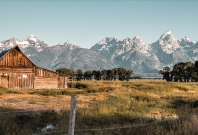
 This year, the symposium organized around the topic 'Reassessing Constraints on the Economy and Policy'. The event will take place on August 25- 27.
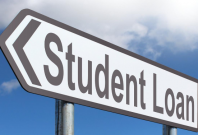 A one-time maximum waiver of $10,000 for students who make less than $125,000 will incur a cost of $300 billion for the US taxpayers.
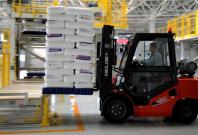 The world's second biggest economy is expected to miss its official growth target this year for the for the first time since 2015.
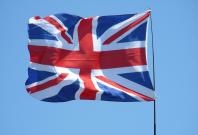 The service sector was particularly badly hit, falling by 0.4 per cent over the quarter.
 Chicago Fed President Charles Evans says inflation, which is up 8.5% from a year earlier, is still "unacceptably" high.
The Fed era; Reserve is in a tight spot, between raging inflation and strong recessionary trends.
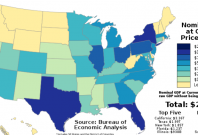 Stagflation happens when slow economic growth is combined with high unemployment.The worsening debt crisis is adding another layer of risk.
 According to Ceyla Pazarbasioglu, the IMF's director for strategy, policy and review, the global economy is going through a wave of setbacks.
 US home prices have been inching up ever since the Federal Reserve started tightening monetary policy.
 In the last six months, the benchmark S&P 500 stock market index lost 20.6 percent, which is the steepest half-yearly loss for the US stocks since 1970.
The world's largest economy shrank at an annual rate of 1.6 percent in the first quarter.
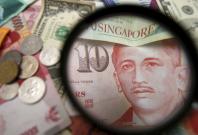 Releasing the data, the MAS and the MTI said external inflationary pressures remained strong owing to geopolitical tensions.
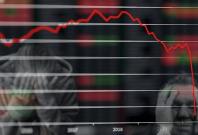 Roubini says consumer confidence is dipping even as sectors like retail sales, manufacturing and housing are slowing down.
 According to Bloomberg,Russia's oil and gas revenues will hit $285 billion in 2022, which is a whopping 20 percent higher than last year's revenue.
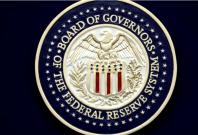 Along with the monetary tightening, the Federal Reserve also lowered the US economic outlook for the year.


