Trump said on Thursday that he is still considering whether to give Americans rebates of up to $2,000, funded by the revenue collected through his tariff policies. Trump's idea to return a portion of the hundreds of billions of dollars the government has brought in since he placed heavy tariffs on foreign countries back in April comes at a critical moment.
The Supreme Court will take up a case next month that could determine whether the president actually has the power to enforce such broad, worldwide tariffs. "They're just starting to kick in," Trump said of the tariffs in an interview with One America News Network, "but ultimately, your tariffs are going to be over a trillion dollars a year."
Trump's Unique New Plan
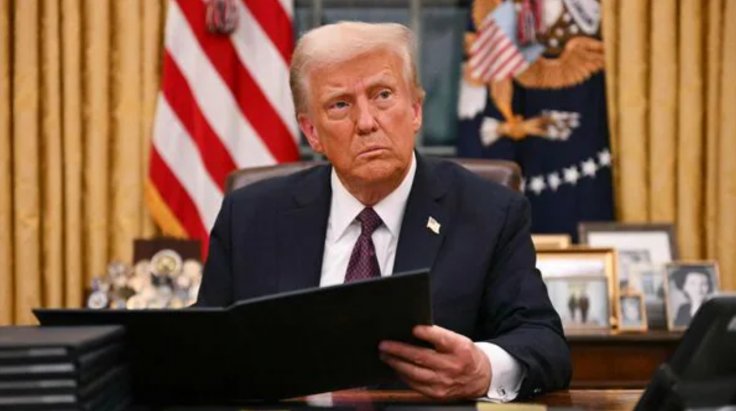
When asked what he plans to do with the money, Trump said the first priority is paying down the national debt, "because people have allowed the debt to go crazy." He then downplayed the $37 trillion debt, calling it "very little, relatively speaking," since the government is now pulling in record amounts of revenue from tariffs.
"With that being said, we'll pay back debt, but we also might make a distribution to the people," Trump continued.
Trump explained his plan — something he's mentioned in the past — as essentially giving "a dividend to the American people."
"We're thinking maybe $1,000 to $2,000 – it would be great," the president said of the size of the checks Americans might get.
Any payout from the federal government would still need approval from Congress before it could happen.
Not an Easy Task
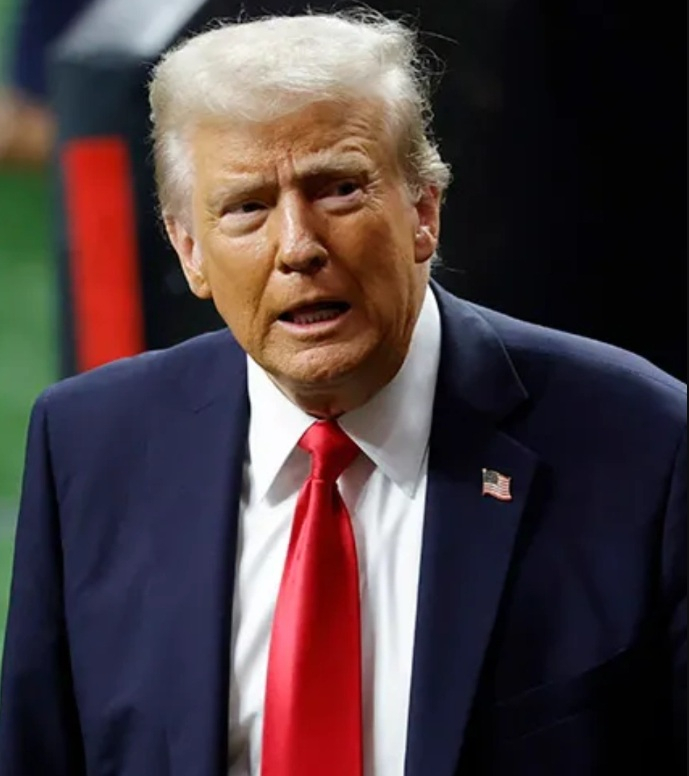
So far this year, the federal government has raked in about $214.9 billion from tariffs, according to Fox Business, which cited Treasury Department figures. In September alone, tariff revenue totaled $31.3 billion, though that was about $73 million less than the record set in August.
Treasury Secretary Scott Bessent has said multiple times that he expects the U.S. to hit at least $300 billion in tariff revenue before the year is over.
However, there's been a legal roadblock. Back in August, the U.S. Court of Appeals for the Federal Circuit ruled that most of Trump's tariffs didn't fall under the emergency powers law. That decision echoed earlier rulings from two lower courts, which had also found that many of the tariffs placed on America's trading partners were unlawful.


