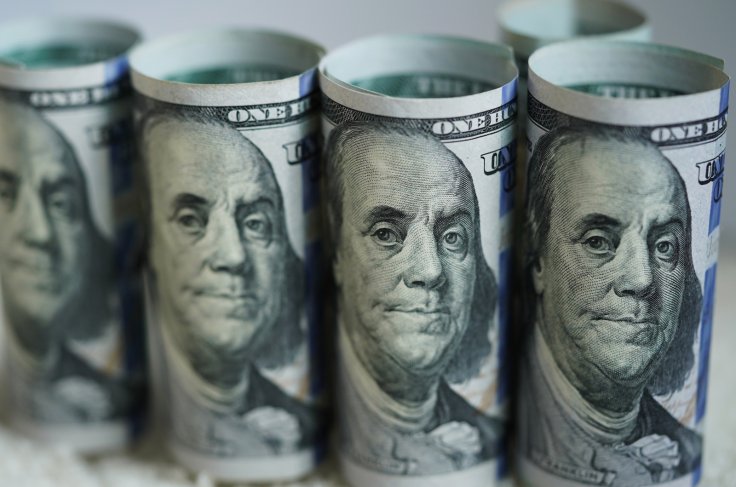
- Dollar weakens as oil prices ease, lifting market risk sentiment
- Yen and euro gain against dollar ahead of policy meetings
- Oil price pullback follows Iraq export resumption via Ceyhan port
- Central banks expected to hold rates amid Middle East conflict
On Wednesday, the U.S. dollar was weakened by a reversal of the oil prices, boosting investor risk appetite, and the market shifted the focus on a series of central bank decisions that were to be made by the Federal Reserve.
The dollar index, which tracks the strategy of the greenback against six major currencies, dropped by 0.04% to 99.51 as it was in the third straight session of losses. That is after a slight decline in the last session and has overturned the trend after the index had soared to a 10-month high at the end of last week as a result of the escalated geopolitical tensions.
A generalized turn in sentiment was indicated by currency markets, given that crude prices were cooled. Reuters reported that Brent crude dropped by over 2 per barrel, as Iraq re-exported its crude through the Ceyhan port in Turkey, alleviating short-term supply pressures. The oil pullback decreased the demand of conventional safe-haven assets (dollar).
Japanese yen rose by 0.21 percent to 158.64 to a dollar, which rebounded after reaching levels that had earlier raised focus of intervention by Japanese government. The euro also gained extending 0.04 per cent to $1.1543, following a 0.3 per cent increase in previous session.
Oil Retreat Advocates Risk Aversion
The oil prices moderation came as a relief in the financial markets as the markets were propelled to leave defense positioning. Analysts indicated that the reduction in energy prices were useful in stabilizing the mood although the underlying geopolitical risks are high.
Now that crude oil prices have seemingly stalled their increase, it is not like circumstances have become much better, but so far, there is seizing in markets all over the board to improve to some degree, as the chief foreign exchange strategist at Sumitomo Mitsui Banking Corp. Hirofumi Suzuki indicated.
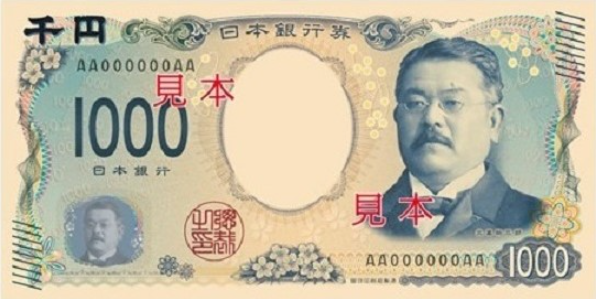
In USD/JPY, we might say that it has fluctuated slightly towards the direction of the yen strength.
Although the dollar has reduced in the recent pullback, it has been doing well since the lack of calm in the Middle East close to three weeks ago, which points to the fact that it has still been playing the role of safe-haven currency in times of unpredictability.
Other currencies were also enjoying the better risk tone. Sterling appreciated by 0.1 percent to $1.3368 and Australian dollar increased by 0.21 percent to $0.7117 and New Zealand dollar increased by 0.19 percent to $0.5868.
According to the market players, oil prices have been benign, but at several occasions Brent crude has been trading above the mark of one hundred dollar per barrel due to the ongoing supply issues associated with the Strait of Hormuz disruption.
Central Banks In Focus
The eyes of investors are now fully on the world central banks with the Federal reserve about to declare its policy decision later on Wednesday. European central bank, bank of England and bank of Japan are also supposed to meet in the next few days.
"Consensus still points to the median dot plot showing one 25-basis-point cut for 2026, aligning with current market pricing." said Tony Sycamore, market analyst and commentator for the IG Group in Australia when asked about Fed expectations.
Everyone is typically presumed to leave interest rates constant, but the markets will be questioning the directions on inflation and growth against the backdrop of increasing energy prices and political instability.
"Although a long-standing standoff is likely to occur in the conflict, equities might recover supporting commodity currencies like the Australian dollar, at the same time triggering a recovery in currencies of oil-importing economies like the yen and the euro, said senior FX strategist at Mizuho Securities, Masafumi Yamamoto.
That being the case, they noted that the downside would be limited at this point in USD/JPY, partially due to the fact that the Takiichi administration would be inclined to support a weak yen.
The geopolitical factors influencing the prices will not be solved anytime soon without intervention as the Prime Minister of Japan, Sanae Takaichi is likely to have talks with the United States President Donald Trump regarding issues of investment and trade. It was reported that a possible deal worth up to 11 trillion yen or 69.30 billion dollars was in the offing in investment but the response of the currency market was low.
Bitcoin fell 0.5 per cent to $74,184.63 in the cryptocurrency markets, compared with insignificant returns in the previous trading period, with ethereum increasing 0.04 per cent to $2,329.46.
The recent volatility of the dollar indicates a temporary reduction in the energy-based risk aversion, but its broader direction will probably be influenced by signals of central banks and development of geopolitical tensions.


