- Dollar shortages in Venezuela force firms to raise prices
- Small businesses struggle to access official foreign currency auctions
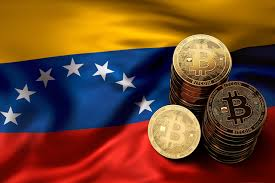
- Many firms turn to unofficial markets and cryptocurrencies for payments
- Currency shortages risk undermining Venezuela's economic recovery
Small and medium-sized businesses in Venezuela are raising prices and turning to alternative payment methods, including cryptocurrencies, as a shortage of U.S. dollars disrupts operations and threatens the country's fragile economic recovery.
Business owners say access to hard currency remains inconsistent despite government assurances of improved liquidity following political changes earlier this year. According to Reuters, analysts estimate that dollar availability in early 2026 is about 13% lower than during the same period last year, highlighting a worsening supply gap.
The shortage is particularly acute for small and mid-sized enterprises, which rely on imported materials and face challenges securing foreign exchange through official channels. As a result, many are being forced to adjust pricing strategies to remain viable.
"You don't know at what cost you'll be able to restock your goods because you don't know when you'll be able to buy foreign currency or at what exchange rate," said a pharmaceutical factory owner, describing the uncertainty facing businesses.
The volatility has compounded existing inflationary pressures, as companies pass higher costs on to consumers.
Unequal Access To Official Dollar Markets
Venezuela's official foreign exchange system, which distributes dollars through auctions managed by the central bank, has come under criticism for favoring larger companies. Industry sources say major firms in sectors such as food, healthcare, and chemicals are receiving priority access, leaving smaller businesses struggling to secure funding.
Reuters reported that many medium-sized companies have had repeated bids for dollars rejected without explanation, forcing them to seek alternatives in unofficial markets.
"The auctions have been very limited, reaching only a few companies, and are discretionary," said a businessman in the chemical sector.
This disparity has created a two-tier system in which larger corporations maintain production levels while smaller firms face operational disruptions. According to a survey by manufacturing group Conindustria, 58% of medium-sized businesses identified the lack of foreign currency as a major obstacle to production.
The reliance on unofficial exchange markets, where rates are significantly weaker, has further increased costs. Businesses sourcing dollars outside official channels are paying a premium, which feeds directly into higher prices for goods ranging from medicines to industrial inputs.
Sanctions And Structural Constraints Persist
The dollar shortage is also linked to broader structural challenges within Venezuela's financial system. Sanctions have largely cut the country's banking sector off from global financial networks, complicating international transactions and limiting access to foreign currency.
Instead, dollars generated from oil exports are funneled through controlled auctions, with allocations influenced by the central bank and correspondent banking relationships. This system has proven insufficient to meet demand across the private sector.
Despite increased oil sales and efforts by authorities to stabilize the economy, Reuters data showed that total auction volumes from mid-January to early March reached about $1.3 billion, down from the previous year.
Analysts say this decline underscores the fragility of Venezuela's recovery, as limited access to foreign exchange constrains production and investment.
"Without a regular supply of foreign currency, you cannot guarantee market stabilization. You cannot sustain economic activity without sufficient financial input," one analyst said.
The challenges are compounded by stringent compliance requirements from foreign correspondent banks, which subject Venezuelan transactions to heightened scrutiny, further slowing access to international payment systems.
Cryptocurrency Emerges As Alternative Channel
In response to these constraints, many businesses are turning to cryptocurrencies as an alternative means of accessing foreign currency and conducting international transactions.
While digital assets have previously been used in Venezuela during periods of acute financial stress, their renewed adoption reflects ongoing difficulties in accessing traditional financial channels.
"Those of us who don't go to the auctions go to the other market," one businessman said, referring to cryptocurrency transactions.
Companies are using crypto to pay for imported goods and bypass restrictions associated with the formal banking system. However, this workaround introduces additional risks, including price volatility and regulatory uncertainty.
Officials in Washington have signaled support for increased investment in Venezuela's energy sector, which could improve dollar inflows over time. U.S. Interior Secretary Doug Burgum said efforts to stabilize the bolivar and reduce the effects of hyperinflation would be beneficial for citizens and businesses alike.
For now, however, the combination of limited dollar supply, unequal access to official markets, and structural financial constraints continues to shape the operating environment for Venezuelan firms.
The situation highlights the critical role of foreign currency availability in sustaining economic activity, as businesses navigate persistent volatility and seek alternative solutions to maintain production and supply chains.


