- Thailand to return 284 tonnes of illegal e-waste to US
- Shipment misdeclared as scrap metal, found at Laem Chabang Port
- Authorities inspecting additional 21 containers for hazardous materials
- Move highlights concerns over global electronic waste trade enforcement
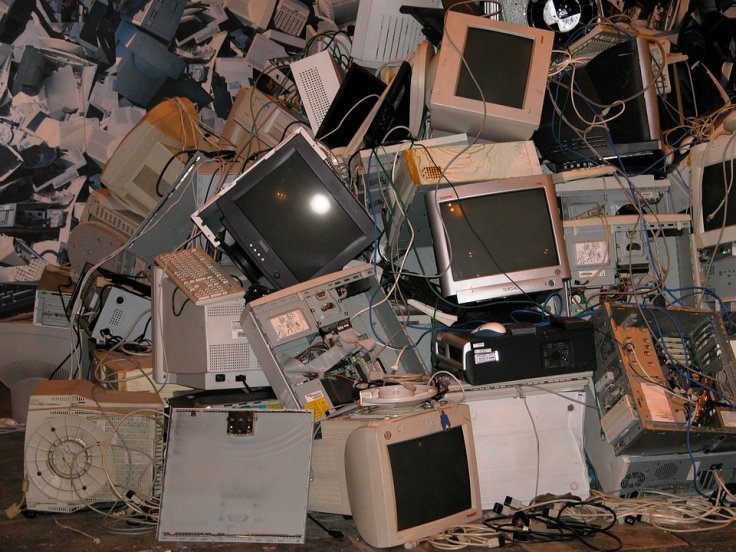
Thailand has send back 284 tonnes of the illegally imported electronic waste to the United States following the discovery of the shipment at Laem Chabang Port, which raises the issue of the continued transfer of the dangerous waste by the developed countries to the emerging economies.
The 12 shipping containers, which held the confiscated garbage, were declared as scrap metal of Haitian origin, Thai officials told. Investigations showed computer parts and other electronic parts such as circuit boards which are classified as hazardous wastes. The police are currently investigating 21 more containers which means that the total number of illegal imports can grow.
Surin Warakijthamrong, the head of the Thai Pollution Control Department said that "the nation would recycle the garbage under the international law". "The authorities are screening the rest of the containers in total 21 in number and we anticipate to discover more illegal electronic waste." He added "it would be returned to the US in accordance with the Basel Convention."
This finding is made under the increased focus on the cross-border waste shipments, especially those directed to the developing countries where the environmental protection might be less effective. Thailand, which prohibited e-waste imports in 2020 and extended the ban in 2025, has become more and more vocal on becoming a destination of such materials.
International E-Waste Disposal is a Subject of Renewed Investigation
The event is part of a larger trend in the trade of waste in the world whereby huge amounts of discarded electronics in developed economies are shipped, often under false pretence, to some parts of Asia and Africa. The United States, according to various studies conducted across the world, is one of the largest electronic waste producers in the world producing millions of tonnes of electronic waste annually, most of which is hard and expensive to recycle within the country.
International regulations have been circumvented, with both shipments still being made under the guise of classification loopholes, e.g. defining waste as reusable electronics or scrap metal. Environmentalist organizations such as Basel Action Network have numerous times cited the redirection of e-waste to other nations where the cost of processing it is lower and the enforcement rules are less strict.
According to the Basel Convention, the countries must make sure that the export of hazardous waste is not made without an informed consent and must hold themselves accountable to the illegal exportation of hazardous waste. Such waste is also required to be sent back to its country of origin at the expense of the exporter by the treaty.
Nonetheless, there is still unequal enforcement. According to analysts, although the convention is formally adhered to in many developed countries, due to flaws in monitoring and documentation, shipments are going through. In particular, the US, a signatory but non-ratifying party to the Basel Convention, makes it difficult to enforce the rules in such cases as the seizure of Thailand.
Emerging Economies Pay Green Tax
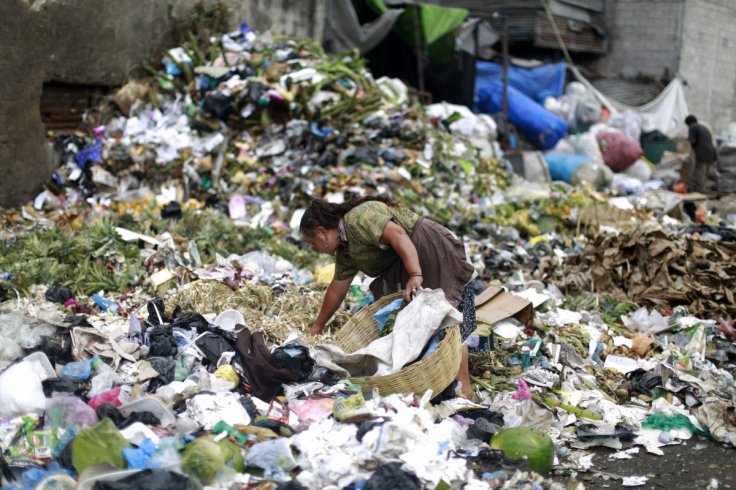
E-waste dumping has far reaching environmental and health impacts. Informal recycling industries in most developing countries take to pieces of electronics using unsafe procedures, including open burning or acid bath to recover useful metals. The practices emit toxic elements such as lead, mercury and cadmium to the air, land and water.
Other countries like Ghana, Nigeria and India have been struggling with the high importation of e-waste in large volumes with the main focus being in the informal recycling centers. Although such activities add livelihoods to the population, the activity endangers the lives of workers and the surrounding communities.
The move to repatriate the shipment is a sign of strictness in Thailand and it is in tandem with an increasing trend of developing countries rejecting dangerous imports. Rather, in recent years, several South East Asian countries have revoked the exports of waste to the countries that exported them due to environmental issues, such as Malaysia and Indonesia.
Meanwhile, there is a constant increase in the demand of electronics in the world, which has led to a breakout in discarded electronics. The industry projections indicate that the global production of e-waste is increasing at one of the highest rates compared to other waste systems and exceeds the official recycling rate.
According to experts, more concerted efforts by other international entities, enhanced tracking and responsibility on part of the exporting nations will be needed to help counteract the problem. The development of domestic recycling facilities in the developed economies may also lead to less dependence on foreign treatment.
The recent move of Thailand provides emphasis on the growing opposition by developing countries to be used as a dumping site of toxic waste, which still creates a difficult time in controlling the world trade of electronic waste.


