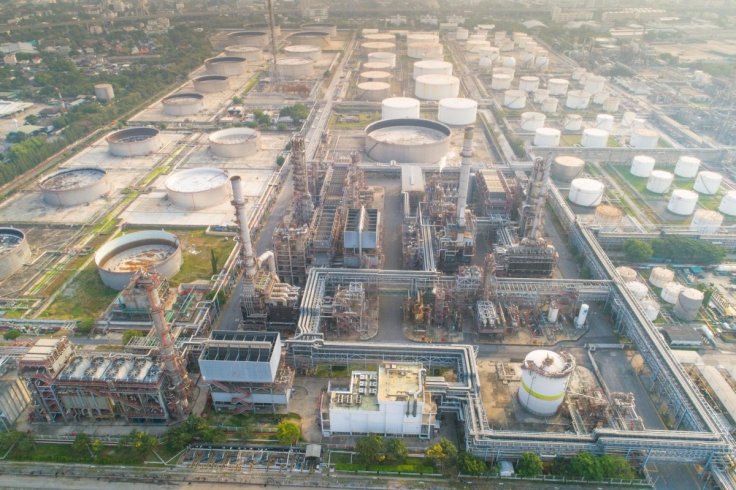
- Oil prices rise as threats target Middle East export facilities
- Brent and WTI surge over 40% during March
- U.S. strikes Iran's Kharg Island amid escalating regional conflict
- IEA plans release of 400 million barrels from reserves
Monday saw global oil prices surge due to challenges in Middle East energy infrastructure as investors once more concentrated on the threats and at this point the petroleum benchmarks rose regardless of how the United States tried to rally the world to defend infrastructural systems of vital shipping routes.
Brent crude futures contracts market also increased 2.73 or 2.7 percent to reach 105.87 a barrel by 0730 GMT after an earlier gain of 2.68 in the previous session and U.S. West Texas Intermediate crude similarly rose 1.65 or 1.7 percent to reach 100.36 per barrel. Both contracts have shot over 40 percent in the current month according to the Reuters data as the war between Iran, the United States and Israel bent one of the most vital energy ideas in the entire world.
The rally is an indicator of investor fear about the possible disruption of supply following the shutdown of the Strait of Hormuz a key strategic marine passageway that transport approximately one out of five oil and liquefied natural gas cargo shipments worldwide.
The market players have been paying more attention to whether an attack on regional energy companies would extend longer even in cases where shipping lanes are eventually opened.
The U.S. President Donald Trump noted that Washington was negotiating with a number of nations to aid in the security of the Strait of Hormuz and that the international community needed to help in ensuring the security of the essential waterway.
Strikes Flying Iranian Export Headquarters Intensify Issues of Supply
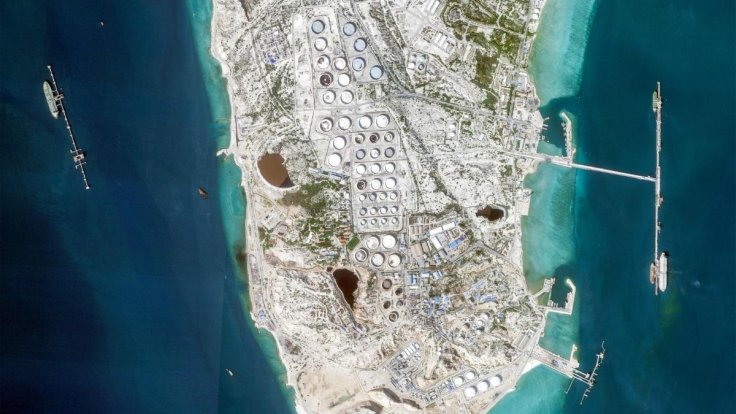
The issue of supply grew even greater with the U.S. forces attacking military targets on Kharg Island of Iran which is a major challenging facility to handle most of the Iranian oil exports.
Even after the strikes were said to have hit military infrastructures as opposed to facilities serving the energy industry, analysts indicated that the position of the strikes in close relation to the Iranian main export center escalated more market anxieties regarding the likelihood of losses in supplies.
On Monday, the ING commodity strategists said that U.S. strikes that occurred over the weekend on Kharg Island had increased supply concerns, with most of Iranian oil exports relying on it.
Reuters reports that Kharg Island receives approximately 90 percent of the oil exports in Iran, which is among its key oil processing facilities, and is playing the centre of interest among traders tracking the war.
This was further worsened as the Iranian drones attacked a huge oil station in Fujairah, the United Arab Emirates, soon after the attacks on Kharg Island.
Fujairah is a strategic energy hub situated beyond the Strait of Hormuz and also operates as an export outlet of some 1 million barrels per day of Murban crude oil of UAE that is roughly a tenth of the world demand.
The sources also informed Reuters that oil loading activities at the terminal have already resumed after the attack, but it was not known whether the facilities have returned to full operation capacity.
The threat of the further disturbances of the Strait of Hormuz and other exporting centres has hardened the market turbulence as traders consider the threat of the further development of the military measures.
Strategic Reserves Unleashed To Relieve Pressure in Prices
The International Energy Agency has responded to the price increase by declaring over half a billion barrels of oil in the strategic reserves will be availed into the world markets in an effort to stabilize the prices.
The coordinated release of oil reserves became the biggest emergency drawdown of reserves in the history of the agency: the previous record intervention was in 2022 (Reuters).
The first volumes will be of reservations in Asia and Oceania, and those in Europe and the Americas will be delivered to the markets at the end of March.
Analysts indicate that the move would work to relieve any short term supply shortage but will not entirely negate the disruptions in case of Middle East production or export routes continue to be limited.
The U.S. is considering options of high risk on the ground, such as attacking nuclear facilities of the enriched uranium of Iran, capturing the Kharg Island oil hub, and occupying the southern part of Iran to guard the Strait of Hormuz, SEB analyst Erik Meyersson said in a note.
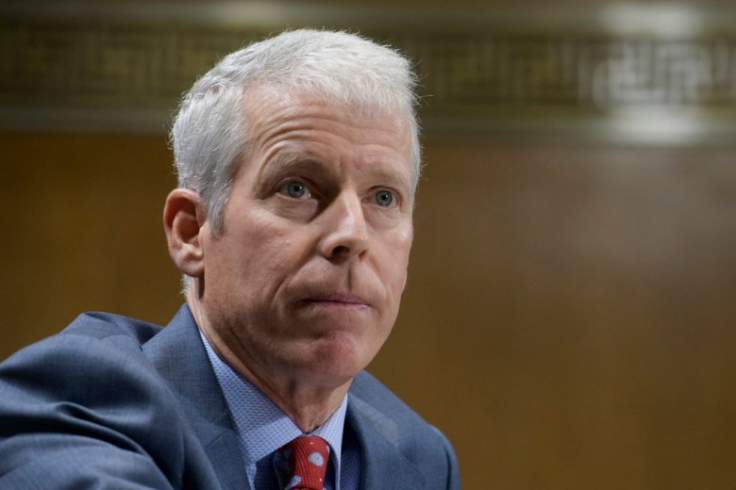
"The U.S. is weighing high-risk ground options, including raiding nuclear sites for Iran's enriched uranium, seizing the Kharg Island oil hub, and occupying southern Iran to protect the Strait of Hormuz."
"All of these imply significant escalation and require a tolerance for substantially higher risk."
"As the conflict enters its third week, the lack of a clear denouement has left global markets increasingly worried about an uncontrollable escalatory spiral", he added predicting the future of the conflict.
All these are indicative of a high level of escalation and a higher risk tolerance level.
The oil markets have responded brutally to the emerging geopolitical events and have shot up to levels not witnessed since 2022.
According to Reuters data, Brent crude has increased by over 40 percent since the beginning of the month, which indicates the extent of the supply disruption occasioned by the conflict.
Some officials however are still optimistically skeptical given the volatile situation in the market that the situation would be better off with the hostilities eased.
U.S. Energy Secretary Chris Wright announced on Sunday that he thinks the dispute might come to its end within weeks and this would result in oil supply can be restored and it would be used to reduce the costs of energy.
US President Donald Trump stated - "The United States is in discussions with several countries to help safeguard the Strait of Hormuz and is urging international partners to assist in maintaining security along the crucial waterway".
Concurrently, the U.S. officials have still maintained political contacts with Iran even as they give doubts regarding the possibilities of immediate ceasefire talks.
According to analysts, oil markets are also very receptive to events in the region especially with the conflict moving to the third week without a clear solution being evident.
Since the war is already in its third week, the absence of any obvious denouement has caused unease among international markets in a potentially uncontrollable escalatory spiral, Meyersson said.
The traded energy players are now keenly tracking military events, international processes and the opening of the major exporting routes to tell how the global oil production channels can normalize quickly.


