Renee Nicole Good, the mom who was shot and killed by a federal agent after veering her car at him, was an anti-ICE "warrior" and was involved with a group of activists in Minnesota who worked to "document and resist" the federal government's immigration enforcement efforts, the New York Post reported.
Good, who moved to the city only last year, linked up with anti-ICE activists through her 6-year-old son's charter school, according to multiple local sources. The school openly promotes a "social justice first" approach and says it encourages students to engage with political and social activism — an environment that those sources say helped draw Good into the activist community.
Anti-ICE Warrior
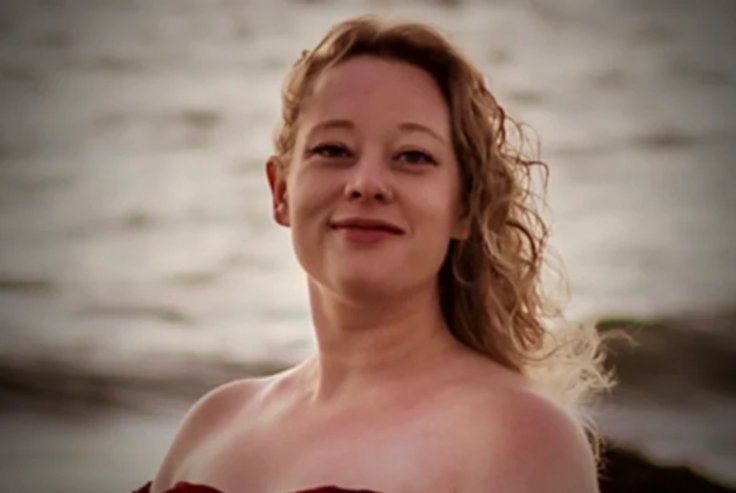
"She was a warrior. She died doing what was right," a mother named Leesa, whose child attends the same school, told The New York Post at a growing vigil where Good was killed Wednesday. "I know she was doing the right thing. I watched the video plenty of times but I also know in my heart the woman she was, she was doing everything right."
Good and her wife, Rebecca, 40, were raising their young son together in south Minneapolis, a mostly working-class neighborhood known for its strong activist spirit. The area's quiet, tree-lined streets are dotted with homes displaying LGBTQ+ pride flags and signs honoring George Floyd.
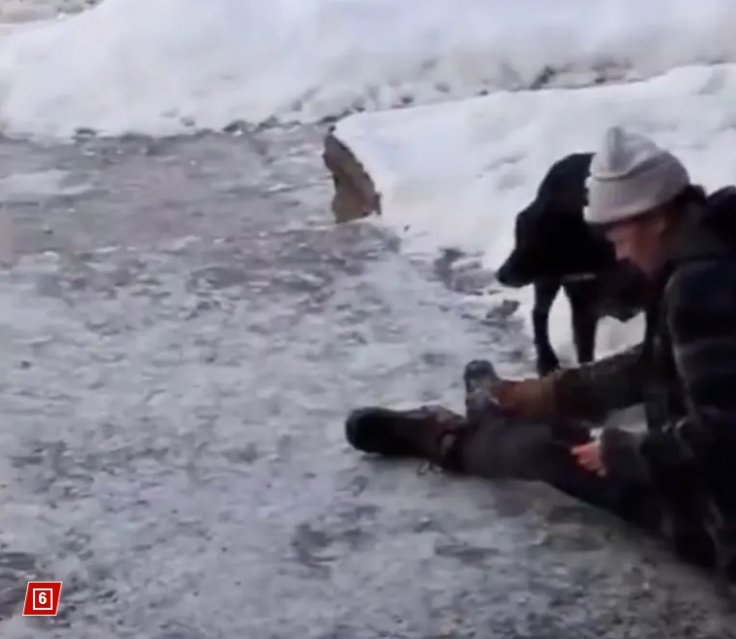
Like many families in the neighborhood, Good enrolled her son at Southside Family Charter School, a K–5 school founded in 1972 that has long embraced what it calls a mission of social justice education. One of its co-founders, Susie Oppenheim, has described the school as "unabashedly dedicated" to those principles from the very beginning.
Through her growing involvement in the school community, Good was eventually introduced to ICE Watch — an informal network of activists focused on monitoring and disrupting ICE raids in the sanctuary city.
Fighting Against ICE
Similar coalitions to ICE Watch have emerged in cities across the country, built around rapid-response activism. Members often rely on phone apps, whistles, and car horns to alert neighbors when ICE agents are spotted nearby, creating a sense of urgency and collective action within their communities.
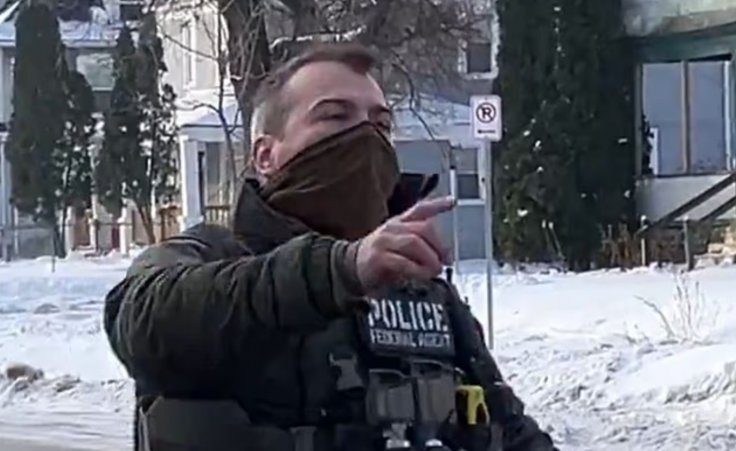
At times, these encounters have escalated. ICE Watch and related groups have occasionally found themselves in tense, confrontational situations, with past incidents in which activists have used their vehicles to block or even strike agents, underscoring how volatile and dangerous these standoffs can become.
"[Renee Good] was trained against these ICE agents — what to do, what not to do, it's a very thorough training," Leesa told the New York Post.
"To listen to commands, to know your rights, to whistle when you see an ICE agent," she added.
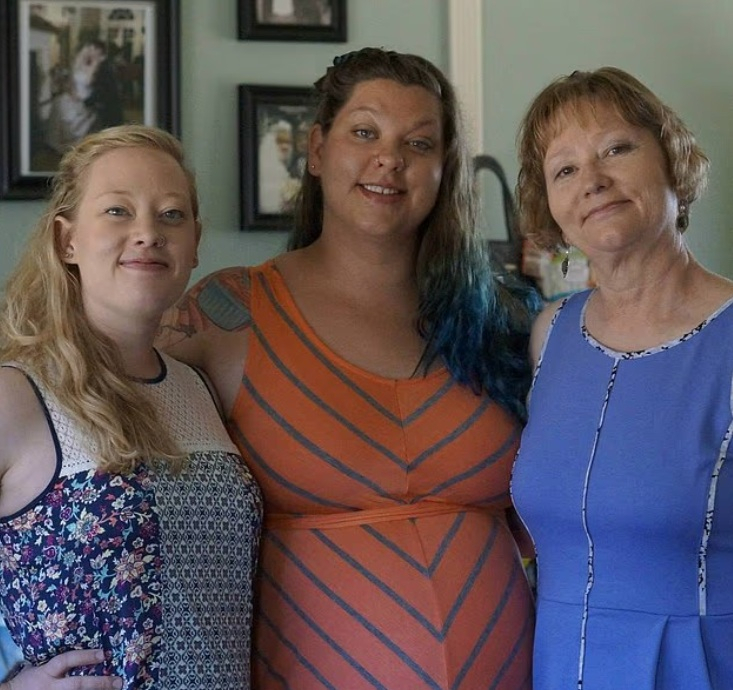
The group began as a loosely connected network of anti-ICE activists, but in recent months it has gravitated toward more hardline organizations, including Twin Cities Ungovernables. ICE Watch recently amplified an Instagram post from that group calling on supporters to block off streets near the site of the shooting, urging people to bring materials that could be used for barricades — and even items to burn, such as dried-out Christmas trees.
The message reflected a shift toward more aggressive, and at times openly violent, resistance. It comes amid a sharp rise in dangerous encounters involving ICE agents. According to striking new figures from the Department of Homeland Security shared with The New York Post, reported vehicle attacks against agents have surged by roughly 3,200% over the past year.
Federal officials attribute the spike to what they describe as increasingly inflammatory rhetoric from leaders in sanctuary jurisdictions.


