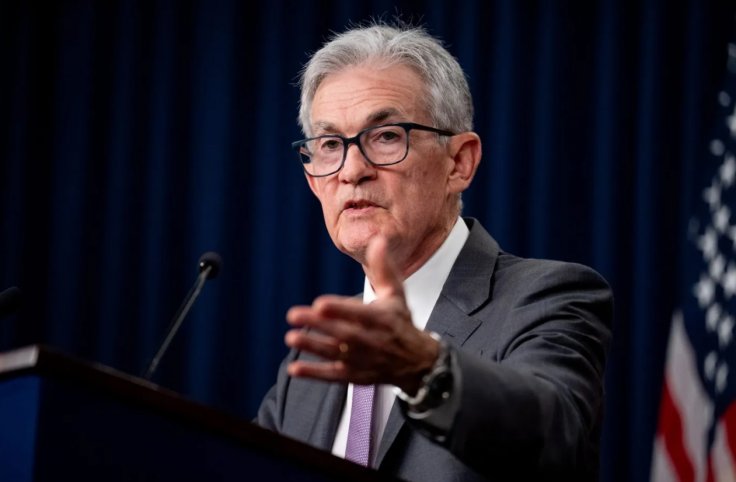
The Federal Reserve slashed interest rates by a quarter point for the second consecutive meeting, showing that policymakers remain more focused on supporting the labor market than on fighting inflation. The move, which was widely expected, sent stocks on a rally, although it was revealed that two officials voted against the move.
The latest cut brings rates down in the range of 3.75% to 4% — marking the first time since 2022 that Fed-set rates have fallen below 4%. Meanwhile, former President Trump slammed Fed Chair Jerome Powell, whose term runs through 2026, for being too slow to ease monetary policy, which has put the labor market in a struggling position.
Trump Slams Powell Despite Rate Cut
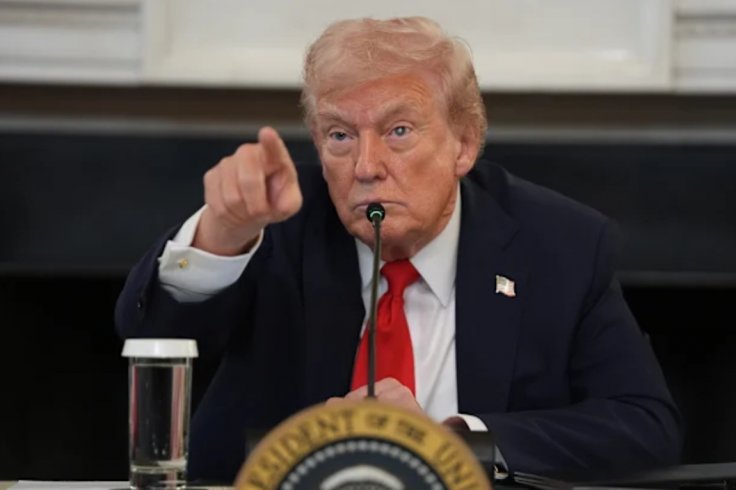
Speaking at a summit in South Korea on Wednesday, Trump jokingly dubbed him "'Too Late' Powell," drawing laughter from a room full of business leaders. Stephen Miran, the newest Fed governor and a former economic adviser to Trump, voted against the quarter-point rate cut for the second meeting in a row, arguing instead for a larger half-point reduction.
Jeffrey Schmid also dissented, but he took the opposite approach, recommending that rates stay unchanged.
Uncertainty remains about whether the Fed will take a more aggressive stance on cutting rates for the rest of the year.
Back in September, most officials had anticipated rate reductions in both October and December. However, the possibility of another cut in December could become more complicated if the government shutdown continues.
Government Shutdown Threat to Next Cut
Central bankers usually make policy decisions based on economic data, such as the Consumer Price Index (CPI), which rose to 3% in September — a slightly lower-than-expected figure that helped make the recent rate cut possible.
Although the Bureau of Labor Statistics brought back some employees last week to release the CPI report, White House press secretary Karoline Leavitt warned that the ongoing government shutdown could mean there won't be an inflation report for October, which is normally scheduled for release next month.
Fed officials have shown differing opinions on how quickly to lower interest rates.
Stephen Miran was the only policymaker to oppose the quarter-point cut in September, instead calling for a larger half-point reduction.
Back in July, Fed Governors Michelle Bowman and Christopher Waller also disagreed with the majority decision to leave rates unchanged, arguing for a quarter-point cut to help support the labor market.


