Entire towns across Jamaica have been submerged after Hurricane Melissa slammed the island with historic force, causing massive destruction throughout the Caribbean nation and leaving around 25,000 tourists trapped. The United Nations has declared the disaster "the storm of the century."
The cyclone made landfall on Jamaica as a Category 5 storm, with winds blowing a devastating 185 mph. The storm is expected to reach the island late Tuesday night or early Wednesday morning. Hurricane Melissa is only the second hurricane in Atlantic history to hit land with such extreme winds — the last one was the infamous 1935 Labor Day Hurricane, which devastated Florida and claimed hundreds of innocent lives.
Ravaging Through Jamaica
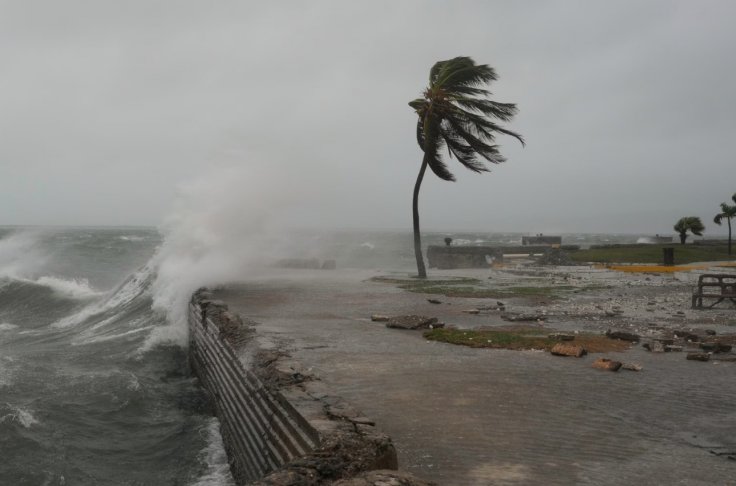
However, the National Hurricane Center has since downgraded it to a still-dangerous Category 3 as it speeds toward Cuba. On Tuesday afternoon, Jamaican Prime Minister Andrew Holness declared the entire island a "disaster area," urging calm and warning against anyone taking advantage of the crisis while residents scramble to gather food, water, and other essentials in the aftermath of the devastating storm.
The island nation of 2.8 million people has closed all its airports, leaving about 25,000 tourists stranded.
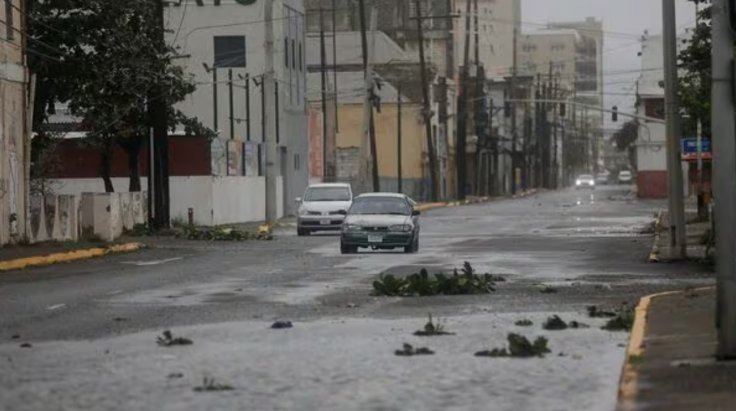
Experts warn that Melissa could become a disaster on the same scale as some of the worst in history, as the entire island was battered by fierce, howling winds that threaten to spark a full-blown humanitarian crisis.
"It's a catastrophic situation expected in Jamaica," the UN World Meteorological Organization's cyclone specialist Anne-Claire Fontan said.
"For Jamaica, it will be the storm of the century, for sure," she added.
Roofs were torn off homes and buildings across Jamaica as terrifying videos showed streets transformed into raging, mud-filled rivers. Torrential rain triggered powerful flash floods that swept through towns and cities alike.
Power began failing as early as Monday — even before Melissa made landfall — and nearly half the island lost internet service, crippling emergency communications when they were needed most.
Authorities ordered widespread evacuations, while others were told to hunker down in their homes. In some areas, residents were even warned to watch for crocodiles that may have been swept out of swamps and into flooded neighborhoods.
Forecasters predicted up to 40 inches of rain and storm surges as high as 13 feet. But according to Fox Weather meteorologist Greg Diamond, Jamaica's limited number of weather stations means it could take a while before the true scale of Melissa's devastation is fully known.
Rampage Continues
The eye of Hurricane Melissa had moved off Jamaica's northwest coast as a powerful Category 4 storm packing 145 mph winds, just before 6 p.m. ET, after tearing almost directly across the island.
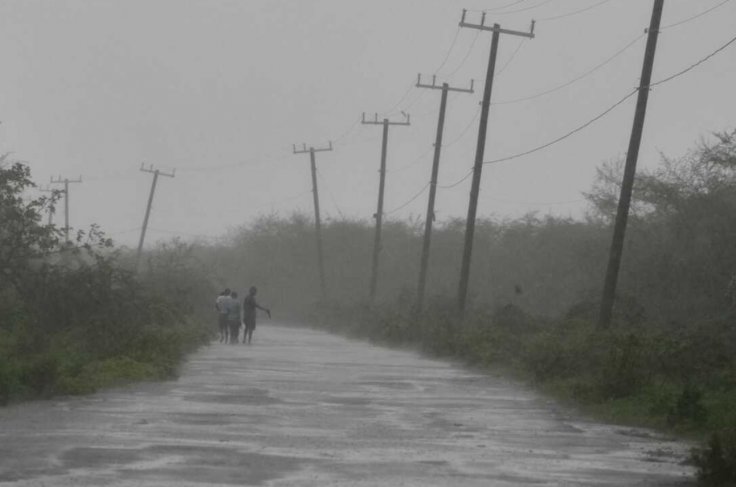
Even as the storm moved offshore to the northeast, Jamaica continued to be pounded by fierce winds and relentless rain. As of Tuesday evening, CNN reported three confirmed deaths, though officials warned that number would likely rise once the floodwaters recede and rescue teams can reach the hardest-hit areas.
Melissa is now heading for Cuba, where it's expected to strike the country's southeastern region between 1 and 2 a.m. Wednesday as another Category 4 storm, with sustained winds of at least 130 mph. Forecasters predict up to 20 inches of rain and a storm surge of around 12 feet, prompting Cuba to begin mass evacuations on Tuesday.
The hurricane is then expected to weaken slightly as it moves over the Bahamas later on Wednesday, bringing winds around 100 mph, up to 10 inches of rain, and storm surges as high as 8 feet. The Turks and Caicos Islands, once believed to be in Melissa's direct path, are now expected to avoid the worst, facing only tropical-storm-level conditions instead.
By Thursday, Melissa will have left the Caribbean behind, brushing past Bermuda with winds near 85 mph and up to 3 inches of rain before fading into the Atlantic. A hurricane watch remains in effect there, though forecasters say the threat is moderate.
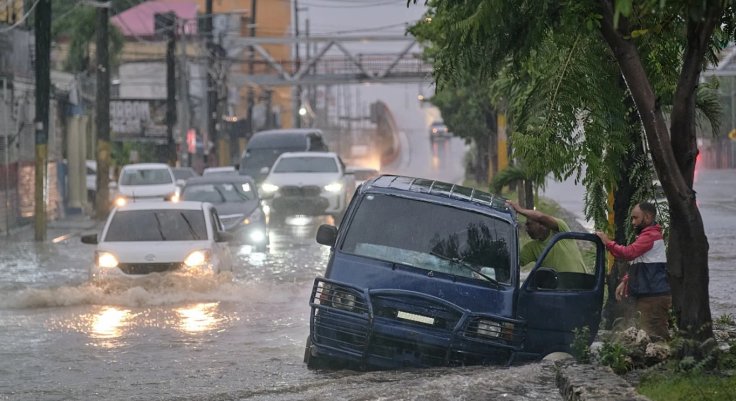
Meteorologists warn that Melissa will leave behind a "historic" trail of devastation across the Caribbean, marking it as one of the most destructive storms in recent memory.
"It is tied with the Labor Day Hurricane of 1935 for the most intense landfalling Atlantic hurricane on record," Diamond said.
"The landfall wind and pressure for both, was 185 mph and 892 millibars. Lower pressure typically equates to a more powerful storm."


