The U.S. mission to capture Venezuelan dictator Nicolás Maduro was the result of months of careful planning and practice, with troops even training on mock-ups of his heavily guarded compound — a show of military power, precision, and timing.
Maduro was intercepted just steps from the steel doors of his fortified hideout as elite Army Delta Force commandos moved in, according to President Trump. "He was trying to get into a safe place ... the safe place's all steel, and he wasn't able to make it to the door because our guys were so fast," Trump said. The commandos closed in "in a matter of seconds," Trump said on Fox News.
Precise Strike
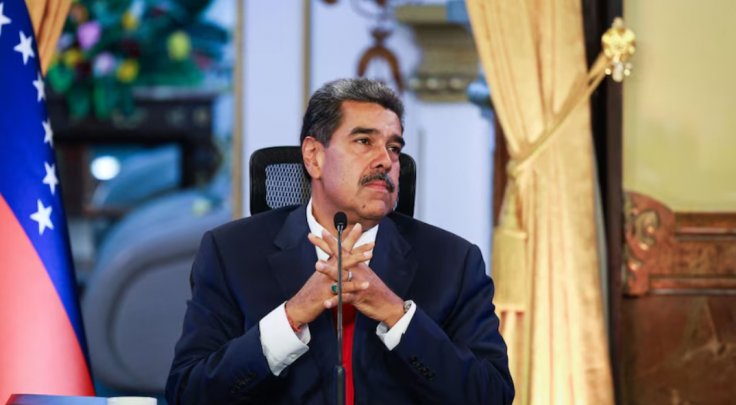
"I watched it literally like I was watching a television show — it was an amazing thing." The Delta Force commandos were flown in by the Army's 160th Special Operations Aviation Regiment — the famed Night Stalkers — as helicopters advanced toward the compound amid incoming fire.
Flying specially modified MH-60 and MH-47 helicopters, the Night Stalkers carried out low-altitude nighttime insertions, while U.S. aircraft ahead of them knocked out Venezuela's air defenses to open a clear route into Caracas.
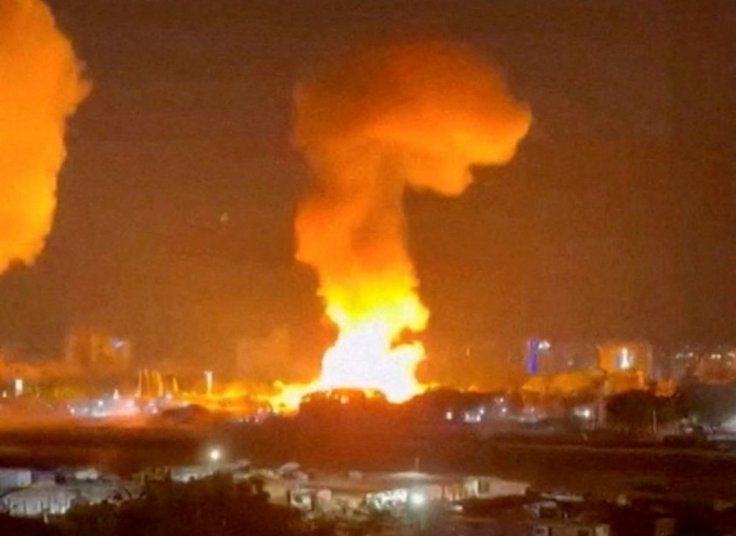
"People were wondering, do we get them by surprise?" Trump added. "Sort of surprised, but they were waiting for something. It was a lot of opposition. There was a lot of gunfire."
Speaking at a late-morning press conference at Mar-a-Lago, Joint Chiefs Chairman Gen. Dan Caine said months of intelligence work had yielded unusually detailed insight into Maduro's life, allowing U.S. forces to track him closely and "understand how he moved, where he lived, where he traveled, what he ate, what he wore — even his pets."
According to officials briefed on the operation, the CIA collected information using stealth drones alongside a human source who had access to Maduro and was able to monitor his day-to-day movements.
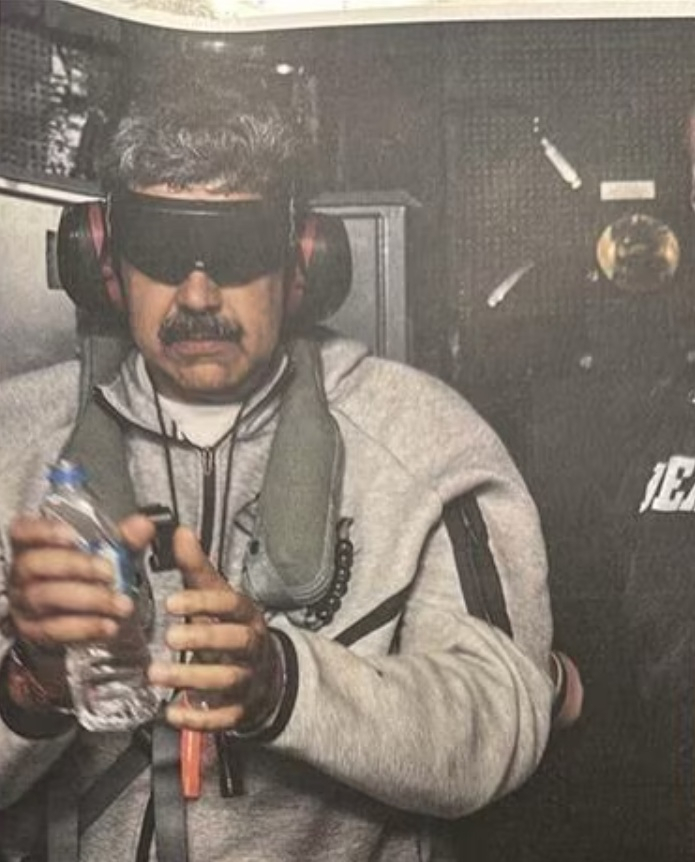
The intelligence campaign began as early as August, blending human intelligence with aerial surveillance. Meanwhile, the capture mission itself was refined over months of meticulous planning and repeated rehearsals.
In preparation, U.S. forces even trained on a full-scale mock-up of Maduro's fortified compound. "They actually built a house which was identical to the one they went into with all the safes and all the steel all over the place," Trump told "Fox & Friends."
Code-Named Operation Absolute Resolve
Trump said the raid on Caracas, code-named Operation Absolute Resolve, was given the green light at 10:46 p.m. Friday when a brief break in the weather opened a narrow window. What followed was a tightly coordinated operation that played out over about two hours and 20 minutes.
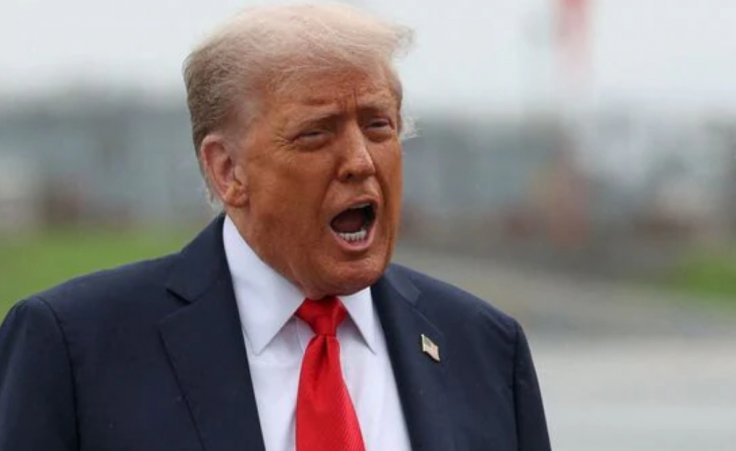
"At my direction, the United States Armed Forces conducted an extraordinary military operation in the capital of Venezuela," Trump said.
"Overwhelming American military power, air, land and sea, was used to launch a spectacular assault, and it was an assault like people have not seen since World War II," he added.
Trump later said Maduro had been hiding out in a "fortress"-style home, complete with steel doors and a reinforced safe room — but he was stopped before he could make it inside.
"He was trying to get into it, but he got bum rushed so fast that he didn't get into that area," Trump said, adding U.S. forces were prepared with blowtorches to cut through the steel if needed.
Joint Chiefs Chairman Gen. Dan Caine said that soon after the operation was approved, aircraft began launching from roughly 20 bases and Navy ships. Marines, the Navy, the Air Force, and the Air National Guard all provided cover, while B-1 bombers circled overhead as a show of overwhelming force.
"Over the course of the night, aircraft began launching from 20 different bases on land and sea," Caine said. "In total, more than 150 aircraft — bombers, fighters, intelligence, surveillance and rotary-wing — were in the air."
Just after 1:01 a.m., U.S. forces reached Maduro's compound at the Fort Tiuna military complex in Caracas, Gen. Caine said, noting that the apprehension team "moved with speed, precision, and discipline."
As helicopters hovered overhead to provide cover, they came under fire. One aircraft was struck but was able to keep flying, according to Caine. Shortly before 2 a.m., explosions echoed across Caracas as U.S. aircraft fired back, AFP journalists reported from the scene.
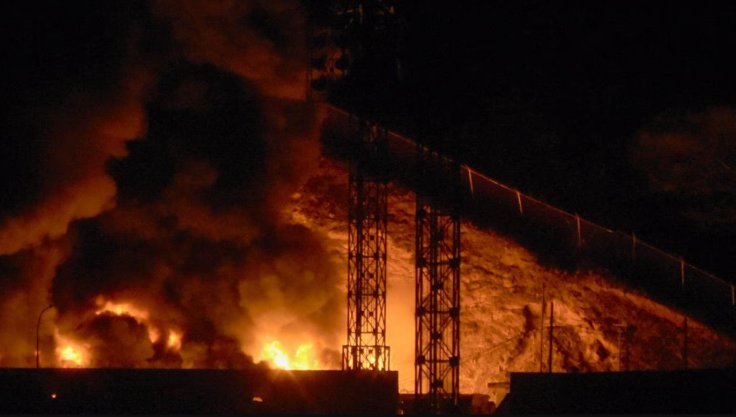
Caine said U.S. warplanes knocked out Venezuela's air defenses to open a path into the capital, while electricity was shut off in parts of the city through what officials described as a coordinated cyber operation.
By 3:29 a.m., helicopters were already reporting from over the water as the operation drew to a close.
By the end of the roughly two-hour mission, Maduro and his wife, Cilia Flores, had "surrendered" and were "taken into custody by the Department of Justice," Caine said.


