Newly released documents suggest that convicted sex offender and financier Jeffrey Epstein may have also been connected to drug trafficking activities. The newly released cache of documents from the Department of Justice reveals that the Drug Enforcement Administration at one point launched an investigation into Epstein and 14 other unnamed people.
Authorities had been investigating suspicious money transfers they believed could be connected to illegal drug trafficking. "DEA reporting indicates the above individuals are involved in illegitimate wire transfers, which are tied to illicit drug and/or prostitution activities occurring in the US Virgin Islands and New York City," the heavily redacted memo from 2015 says, newly released Epstein files show.
Into Another Illegal Business
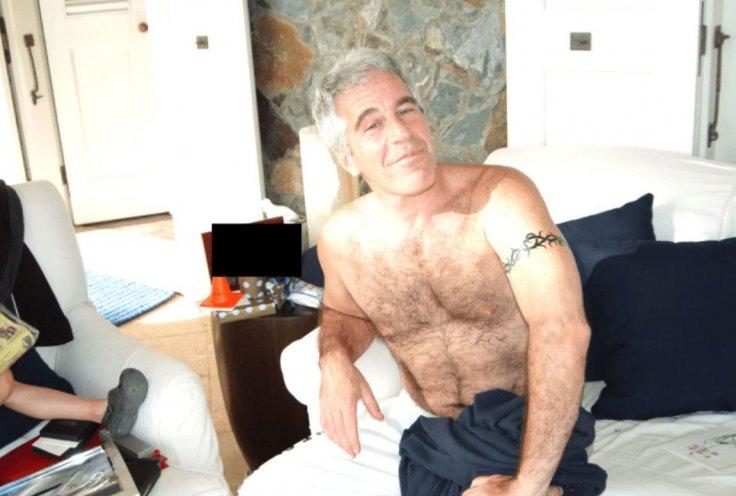
The documents indicate that New York authorities launched an investigation into nearly $50 million in suspicious wire transfers involving Epstein and 14 other targets starting on December 17, 2010. That inquiry began two years after Epstein secured a non-prosecution deal with the federal government and almost a decade before his arrest on federal sex-trafficking charges.
People familiar with the matter say prosecutors handling Epstein's later case were not aware that the DEA had previously opened this separate investigation. What triggered the probe — and what ultimately resulted from it — remains unclear. A 2015 document notes that the case was still "judicial pending" and active at the time.

Many of the specifics are heavily redacted, offering little insight into the findings. Still, the nearly 70-page memo, labeled "sensitive but unclassified," appears to have originated from a request by the DEA to the Organized Crime Drug Enforcement Task Forces Fusion Center in Virginia, seeking information from other agencies as part of an ongoing investigation into Epstein and the other targets.
The task force behind the investigation was set up during the presidency of Ronald Reagan in response to a sharp rise in cocaine trafficking. The Fusion Center itself opened in 2009 to make it easier for federal law enforcement agencies to share intelligence.
The fact that the DEA opened a case through this channel suggests investigators believed there was a drug-related angle, according to a law enforcement source. The request to the Fusion Center also pointed to a major investigation, not a routine information check.
Dirty Secrets
Sources offered differing interpretations of the case's "judicial pending" status. One said it could mean investigators were waiting for court approval to pursue search warrants or other legal steps, while another suggested it might indicate that someone tied to the case had already been arrested.
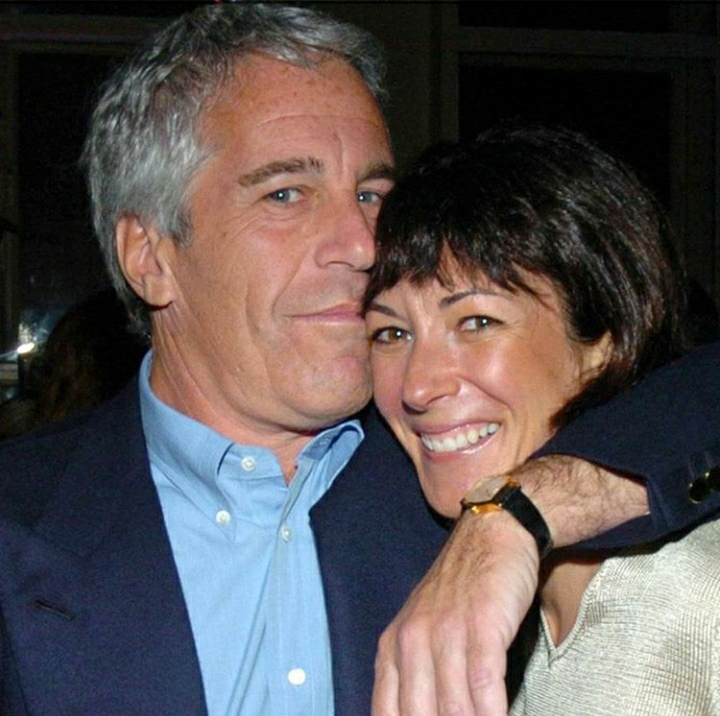
Nearly all of the alleged co-conspirators' names were blacked out in the files, with one exception: a Polish model who received about $2 million in transfers. She has since said she was one of Epstein's victims.
Meanwhile, Senator Ron Wyden, a Democrat from Oregon and the ranking member of the Senate Finance Committee, has stressed that tracking Epstein's spending is crucial to fully understanding the scope of his crimes.
"It appears Epstein was involved in criminal activity that went way beyond pedophilia and sex trafficking, which makes it even more outrageous that Pam Bondi is sitting on several million unreleased files," he said.
The DEA memo also reveals that Epstein was at the center of three separate investigations by ICE over the years.
The first case was opened in West Palm Beach, Florida, in 2006 and closed in 2008. A second investigation began in Las Vegas in 2009 and was still listed as "pending" as of January 27, 2010.
ICE also launched an inquiry in Paris in June 2013 known as Operation Angel. That investigation, however, was shut down just a few months later.


