 Currently, the team of scientists is trying to conclude as to what made the forest at Antarctica go extinct
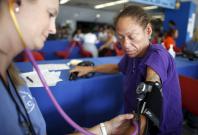 Insufficient levels of phosphate in the blood may pose risk to cardiovascular health, claims a new research, challenging previous findings which suggested that low volumes of the mineral was beneficial to the heart.
 Scientists are on the verge of developing tiny robots that can help detect and destroy disease-causing germs and pathogens in the water, by zooming in.
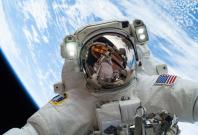 A radiologist at MUSC and her team found out the effects of space travel on the brains of astronauts by conducting a unique study
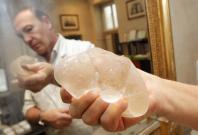 It is estimated that up to 50 percent of men may suffer from gynaecomastia at some point in their life.
 According to study, patients with lower BNP hormone level, have 30 percent less chances of getting hospitalised again.
 Addiction to alcohol among early adolescents might lead to insomnia and other sleep disorders, research claims.
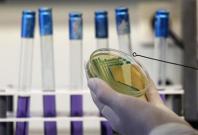 The E. coli AntiMicrobial Satellite (EcAMSat) mission is aimed at investigating spaceflight effects on bacterial antibiotic resistance
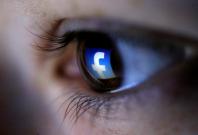 Corneal donor tissue can be safely stored for 11 days without negatively impacting the success of a transplant, a clinical trial has shown.
 Men with a history of cardiovascular disease may be more at risk of facing sudden cardiac arrest during or soon after sex, a study led by an Indian-origin researcher has revealed.
 Cygnus, which is carrying 7,400 pounds of cargo, including new science and technology investigations, is expected to reach the ISS on Tuesday morning
 Unlike electrons which pierce a few centimeters, muons are 207 times as massive and travel through hundreds of meters of stone before being absorbed.
Papyri is a material similar to thick paper that was used in ancient times as writing surface. It was made from the pith of the papyrus plant, Cyperus papyrus, a wetland sedge.
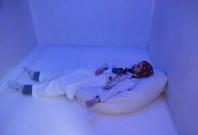 No time for yoga? Then use blue lighting in your home or office to relax faster following stressful work or arguments, say Granada researchers.
 Researchers at the Nanyang Technological University, Singapore developed nano-agents capable of illuminating small diseased tissues

