- Rubio says U.S., China maintaining strategic stability dialogue.
- He warns trade war would harm both economies.
- U.S. to diversify supply chains, tighten technology controls.
- Rubio urges China inclusion in future nuclear arms talks.
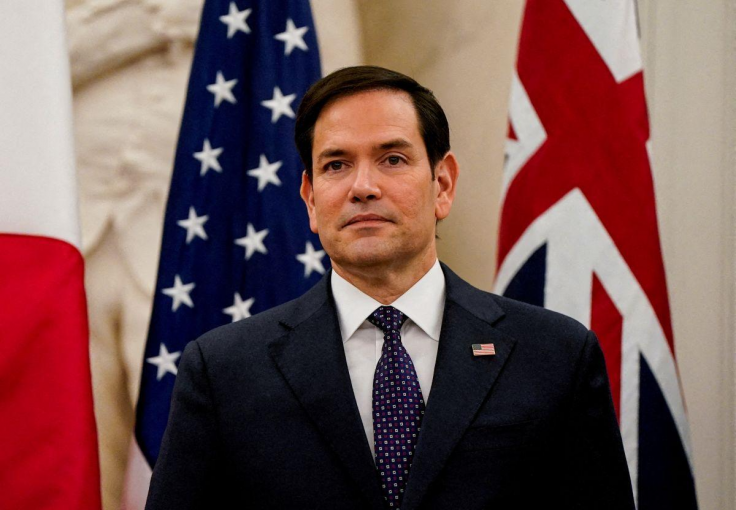
On Wednesday, US Secretary of State Marco Rubio announced that the United States and China were at a stage of strategic stability, although Washington continued to put effort into creating supply chain diversification and the consequences of a fast-growing nuclear arsenal in Beijing were bringing new anxieties.
These comments by Rubio, which were made to reporters in Saint Kitts and Nevis, are about four weeks prior to President Donald Trump visiting China, which would serve to solidify relative stability between the two largest economies of the world.
In his interview with reporters, Rubio stated that it occurred to both nations that a full-scale trade war between the United States and China would be incredibly hurtful on both ends. He was also frank with regard to the boundaries of the existing detente: "There is still a matter of disagreement. Even then, there are matters which we are aware in the long run will have to be met and which may be the thorns in our relationship."
Rubio, who was earlier one of the principal authors of hawkish China legislation in the Senate, is now focusing on a softer approach that he termed "responsible statecraft'.
Supply Chains and Tech
Rubio single out supply chain dependency as one of the fundamental weak areas. "We do not believe it is feasible to exist in the world in which we are relying on a particular place to 90 per cent of anything, be it supply chains or some vital mineral or the like, pharmaceuticals and the like," he said.
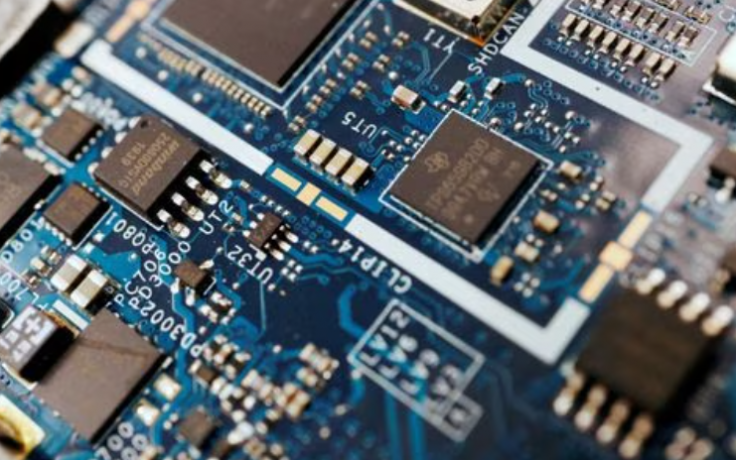
Regarding advanced technology, Rubio admitted continual fear of the Chinese access to the US chips and the technology transfer threat. All agreements made by the US are subject to a full national security review to limit and reduce the effects of that no measures are flawless, he pointed out.
Fentanyl and the Road Ahead
Rubio resorted to the arms control issue in nuclear weaponry and it is evident that the US stands at clear position that in order to have any credible 21st century agreement, China must be involved "to have a real arms control agreement," he said.
He agreed that to date, Beijing has refused to take part in trilateral arms negotiations: "We cannot force them. You can definitely give them incentives to do it, but you cannot force them to do it."
Rubio indicated a series of gains on other bilateral fronts. "It is important that we have gotten them to schedule more fentanyl precursors. Now we want them to do something on it," he said with China upping their purchase of American agricultural produce as well.
Also Read: Boat Incident: US Demands Access to Probe as Cuba Ups Ante; 3 Scenarios Emerge Next
Rubio made above statements after his meeting with the Chinese Foreign Minister Wang Yi on the sidelines of the Munich Security Conference in February 13, where Wang requested that 2026 would be a year of mutual respect, peaceful coexistence, and win-win collaboration, according to the Ministry of foreign affairs of China.


