
Google has a 2029 deadline to switch its entire infrastructure to post-quantum cryptography (PQC). This is six years earlier than the present U.S. federal recommendations. In the case of the cryptocurrency market, the relocation has an ominous connotation: over 6.5 million Bitcoin, which is not yet verified by a second independent organization, could be resting in wallets that could eventually be broken by a quantum computer.
The fast pace of the timeline is indicative of the rapid pace with which the threat environment is evolving. A study conducted by csoonline.com has discovered that it has become very easy to decrypt the encrypted messages that are used to secure most of the internet today because of the computational demands required to decrypt the RSA algorithm. It is now estimated that the number of qubits required can be as few as 100,000, and no longer 20 million as previously estimated. The Willow quantum chip that was announced by Google itself last year has only 105 qubits and does not present an imminent threat of decryption, but the future of the hardware is what inspired the company to act.
The informal expression, Q Day, employed by cryptographers to mean the time when a quantum computer can be powerful enough to breach existing public-key encryption, is now expected to be realized earlier than most government timelines had assumed. The 2029 goal that Google has set is the first prominent indication that a large technology company has of the narrowing of the window, as opposed to the official policy.
Bitcoin's Quantum Exposure Window
The crypto holders have stakes which are distinct. About 6.5 million Bitcoin are stored in addresses based on quantum-vulnerable cryptographic schemes, mostly older pay-to-public-key (P2PK) address formats in which the public key has been permanently revealed on the blockchain. Another estimate quoted by cryptorank.io estimates the number at 6.8 million BTC although this figure is less certain and has not been verified independently.
According to security researchers on infosecurity-magazine.com the so-called store-now-decrypt-later (SNDL) attacks are currently being deployed and today encrypted data is harvested by both state-level and criminal attackers with the view to decryption once quantum hardware capable of implementation is available. To Bitcoin users who have adopted the legacy address formats, the exposure is structural: the public key is already exposed, eliminating even the partial privacy the more current address formats offer.
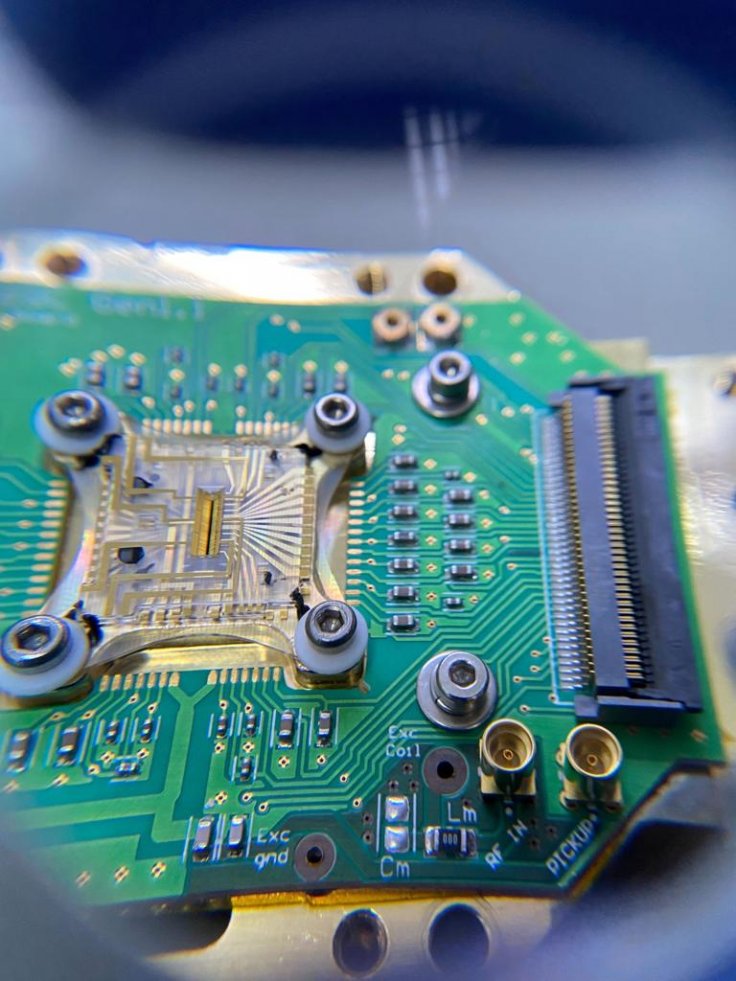
To mitigate parallel risks, the Ethereum Foundation has taken steps; they have created a Post-Quantum Ethereum resource hub and aim to protect protocol-level protection by the same 2029 deadline. The fact that the corporate deadline of Google and the roadmap of the Ethereum Foundation coincide on a single year is a sign that more technologists are reaching the same conclusion as to when the threat is actionable.
Silicon Quantum Computing in March 2026, quantumintelligencenetwork.com, announced that it received a $20 million Australian government grant to advance the development of silicon-based quantum processors, a positive indicator that the role of state-supported investment in the technology is increasing around the world.
The migration plan of Google consists of the systematic rollout periods in which certain milestones will be reached by 2029. Android 17 (enacted in June 2026) will be the first front-end consumer experience, offering quantum-resistant digital signature protection with the ML-DSA algorithm, and is a standard formally approved by the National Institute of Standards and Technology (NIST).


