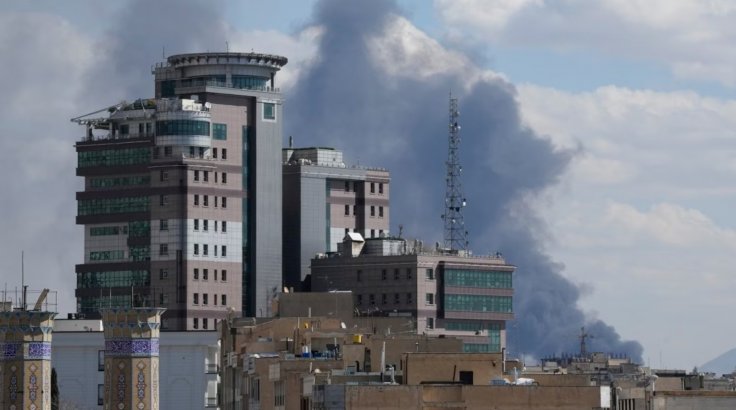
As of today, Iran war enters the third-day, providing a new horizon for scrutiny, as some "hidden hints" subtly embedded in the news details, phrasing, and omissions point to larger picture staring at us. Whe the war broke, the real target was regime change, not just "objectives." US President Donald Trump's video explicitly urged Iranians and its army the IRGC to revolt, offers immunity to defectors, and promises "certain death" to resisters but the administration insists that it "has not outlined longer-term aims." It was a de facto call for internal collapse.
The strikes at more than 1,000 targets yielded results, with Khamenei's death, top leadership elimination and destruction of naval strength. The consequent power vacuum, though replaced with the temporary "leadership council", a fragile scenario hinders Iran.
One social-media analysis shows that the "public is already looking beyond Khamenei", signaling Washington believes the clerical system could fracture from within in succession war.
But U.S. messaging in the conflict is being tightly stage-managed. First, Trump posts a pre-recorded video, skips the traveling press pool entirely, and no administration officials appear on Sunday talk shows. Reports quoting sources hint at internal "debate policy details." Behind the scenes, the White House is avoiding live scrutiny or contradictory signals ahead of Senate or House briefings on Tuesday. The entire exercise suggests a four-week timeline and still being argued internally, despite Trump's public confidence.
Aerial Superiority vs. Regime Change
The Israeli military said late on Sunday that its air force had established aerial superiority over Tehran, and that a wave of strikes across the capital had targeted intelligence, security, and military command centers. In Iran, President Masoud Pezeshkian said a leadership council composed of himself, the judiciary head and a member of the powerful Guardian Council had temporarily assumed the duties of Supreme Leader. Air raid sirens sounded across Israel late on Sunday, including in Tel Aviv where projectiles were seen streaking across the night sky as Iran fired new barrages of missiles.
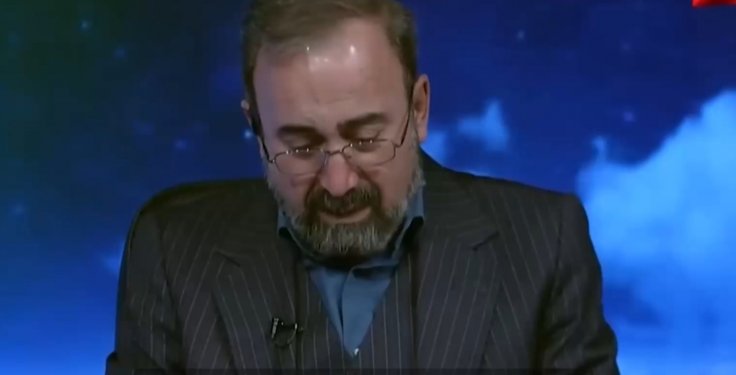
Upsetting the confidence was the missile attack from Shi'ite Muslim armed group Hezbollah, which was never "severely weakened" as claimed after the 2024 ceasefire. US recent assurance that Israel would not escalate "as long as there are no hostile acts" failed as Israel expanded its military campaign to include attacks on Iran-backed Hezbollah militants in Lebanon on Monday, in retaliation against Hezbollah, which fired missiles and drones within days of Khamenei's killing. Israel immediately launched air strikes targeting Beirut suburbs and senior commanders. So, the proxy chain of Iran and Hezbollah is still functional enough to force Israel into a two-front war. The "fully responsible for any escalation" warning and evacuation orders are cover for a prolonged campaign.
The Hezbollah and Israel tit-for-tat attacks widen the conflict that has spread through the Middle East since the United States and Israel attacked Iran on Saturday, sending oil prices soaring and snarling air travel.
Hormuz Chokepoint Next Flashpoint
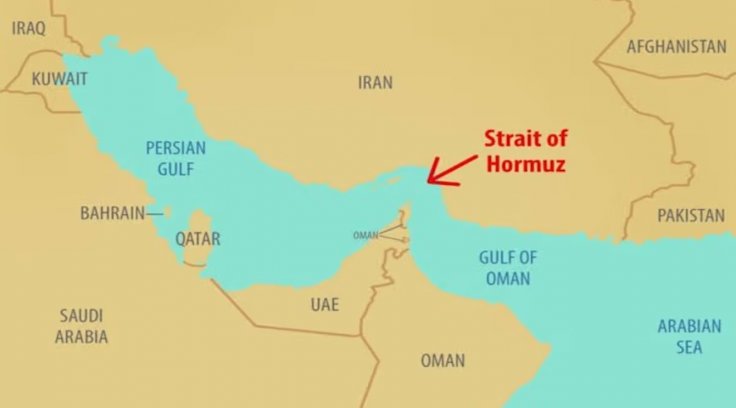
Iran's retaliation capacity remains dangerous despite "aerial superiority over Tehran" that Israel claims after its first air strikes and destruction of command centers; the U.S. says it hit 1,000 targets and nine navy ships. Yet Iran was able to hit three U.S. and UK tankers in the Strait of Hormuz, strikes bases in Kuwait, killing three Americans, besides launching new missile barrages at Israel. The pre-emptive strikes have not neutralized Iran's asymmetric toolkit, including drones, missiles, and proxies. The "hundreds of vessels dropping anchor" and "sharp jumps in crude oil prices" are already priced in, signaling the Hormuz chokepoint is the next flashpoint.
Political blowback risk for Trump is higher now than estimated early. Only "around one in four Americans approve", says a Reuters/Ipsos poll. Bigger picture aims at "major political risk" before midterms. Trump's casual "That's the way it is" on more U.S. deaths is unusually blunt. But the domestic pressure is already mounting; the administration may need quick "victory" optics or de-escalation via Oman to avoid Congress turning hostile.
Mixed Iranian Signals Deliberate?
Oman says Foreign Minister Araqchi indicated openness to de-escalation—then Araqchi posts the opposite on X. It indicates that Teheran is buying time while testing whether the U.S. and Israel coalition holds or fractures under oil-price and casualty pressure. The first casualty being the Economic Shock, impact is vivid in "Soaring" oil prices.
Finally, when Dubai, world's busiest hub is closed, it shows one of the biggest aviation disruptions "in recent years" as hundreds of tankers are idling on its shore, already posing a global energy and logistics crisis. Monday markets are reflecting the same trend. The US-Israel operation is deliberately cascading into a multi-front, regime-destabilising war, with Iran still able to hit back, Trump politically exposed, and the global economy already feeling the pain. The leadership vacuum and revolt call remain just a tactical cover until a ceasefire.


