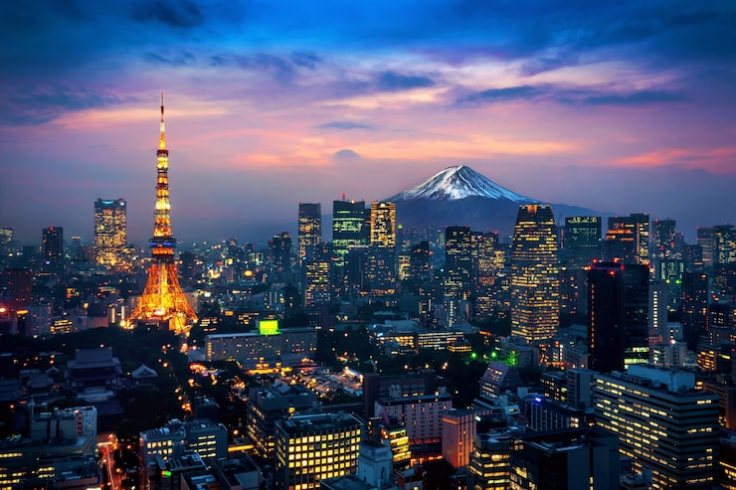
- Trump announces Indo-Pacific energy meeting in Tokyo
- Event scheduled for March 14–15, embassy says
- U.S. energy, interior, EPA officials to attend
- Indo-Pacific leaders and executives expected at forum
The Middle East is no longer the location of the most significant energy power struggle in the world. It is being fought through the Indo-Pacific, and Tokyo is soon to be ground zero.
On February 23, 2026, the Trump administration announced that the first Indo-Pacific Energy Security Ministerial and Business Forum will be held in Tokyo March 14 and 15 by its National Energy Dominance Council (NEDC).
Almost a dozen countries will be present, billions of dollars worth of energy investments should be discussed, and, firstly, the growing hunger of Asia in the stable power has become an open topic of American foreign policy in foreign countries.
The Heavyweights Are Flying East
The official announcement, which is issued via the U.S. Embassy in Japan, states that Interior Secretary Doug Burgum, the chairman of the NEDC, will lead the trip to Tokyo together with the Energy Secretary, Chris Wright who serves as a vice-chairman of the council and EPA Administrator Lee Zeldin.
Conducted with the Ministry of Economy, Trade and Industry of Japan, the forum is the gathering of government ministers and leaders of the private sector in about a dozen Indo-Pacific countries between energy and construction, manufacturing and banking industries.
Burgum has not been subtle on the strategic purpose of the gathering. The council will also endeavor to enhance energy security, increase U.S energy exports and as officials outline it will also be countering coercive influence of other strong forces in the region. It is with that framing that it is not merely a trade forum. It, according to the description of Washington, is a geopolitical tool.
Deals, Dollars, and a Decade of Shifting Supply
Why Tokyo, and why now? The solution is in the sheer size of local demand. Indo-Pacific is contributing about one out of every three in the world of LNG consumption, and the demand is increasing. India is developing a manufacturing base at a fast rate.
The cities of southeast Asia are becoming electric. The country is an exemplar of technological sophistication without question, Japan is also among the largest importers of liquefied natural gas in the world, which, as the disruption of supply in the conflict with Russia and Ukraine revealed, became the weak point in the system of the Japanese energy structure.
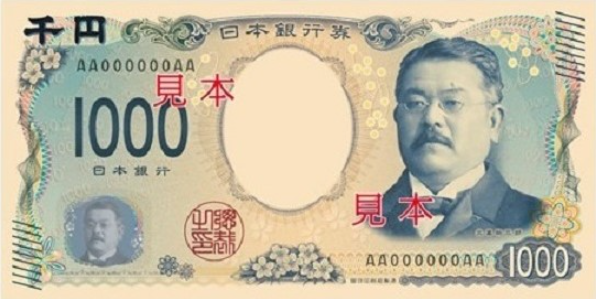
That weakness has been made publicly evident in October, when Prime Minister Sanae Takaichi informed President Trump directly that halting the importation of Russian LNG was not a simple choice, an acknowledgment that demonstrates to what extent energy access dictates foreign policy-making choices throughout the region to the extent of defying diplomatic alignment.
The exports of American LNG to Asia are not recent, only that the magnitude has made them mighty. The shipment of liquefied natural gas to Asian consumers by the United States commenced nearly ten years ago and last year the amount of the exports exceeded 12 billion cubic feet per day, according to Reuters records, which places the United States squarely among the largest exporters in the world.
This week spotted prices of Asian spot LNG remained at around 11 dollars per million British thermal units, a slight change over the previous week, which was 10.70 dollars, and this has been backed by steady demand in winter and balanced stockpiles in the region.
In the meantime, the price of Brent crude futures showed stable results of 0.4 percent increase on Friday approaching 86 dollars per barrel, and U.S. West Texas Intermediate was trading around 81.50 dollars. The stability of the prices provides some flexibility to the importing countries when it comes to modifying their procurement plans to the early spring, as argued by the market observers.
What Happens in Tokyo Won't Stay in Tokyo
The two-day structure of the forum, when a closed session of the ministerial level is merged with the open one of the business forum is aimed at transitioning to the stage of commitment. The topics of the agendas should consist of infrastructure financing, supply chain resilience, policy coordination, and the emergent nexus of the traditional fossil fuel security with the clean energy transition planning.
The Tokyo meeting has a special significance to smaller Indo-Pacific countries that observe it at the periphery. Energy-hungry countries in Southeast Asia, without political affiliations, but suspicious of depending on one supplier, will be looking at this one closely, to determine whether American engagement will lead to bankable transactions or mere high-level signalling.
The extent to which the March forum will be the start of a long-lasting U.S. relationship in energy across Asia, or the first step in a more protracted superpower rivalry over regional dominance, will be better determined in the weeks to come. The ministers come within three weeks. Their aftermaths will come way later.
FAQs
When will the Indo-Pacific Energy Security meeting be held in Tokyo?
The inaugural Indo-Pacific Energy Security Ministerial and Business Forum is scheduled for March 14 and 15 in Tokyo. The event will be hosted by the United States and Japan.
Who will attend the Indo-Pacific energy talks in Japan?
U.S. Secretary of the Interior Doug Burgum, Energy Secretary Chris Wright and EPA Administrator Lee Zeldin are expected to attend. Government leaders from nearly a dozen Indo-Pacific countries and business executives will also participate.
What is the purpose of the Indo-Pacific Energy Security Forum?
The forum aims to discuss regional energy security and cooperation among Indo-Pacific nations. It will bring together policymakers and industry leaders from energy, infrastructure and finance sectors.
What is the National Energy Dominance Council announced by Donald Trump?
The council is a U.S. initiative led by Secretary Doug Burgum as chairman and Chris Wright as vice-chairman. It is overseeing the upcoming energy security ministerial in Tokyo.
Did Japan raise concerns about Russian LNG imports?
In October, Prime Minister Sanae Takaichi told President Donald Trump that banning Russian liquefied natural gas imports would be difficult. The comment highlighted sensitivities around energy supply in the region.


