OpenAI CEO Sam Altman has sparked a heated debate after confessing that the "Dead Internet Theory" might not be a conspiracy theory anymore. His revelation comes after he spotted a massive uptick in AI-curated accounts on X, formerly Twitter.
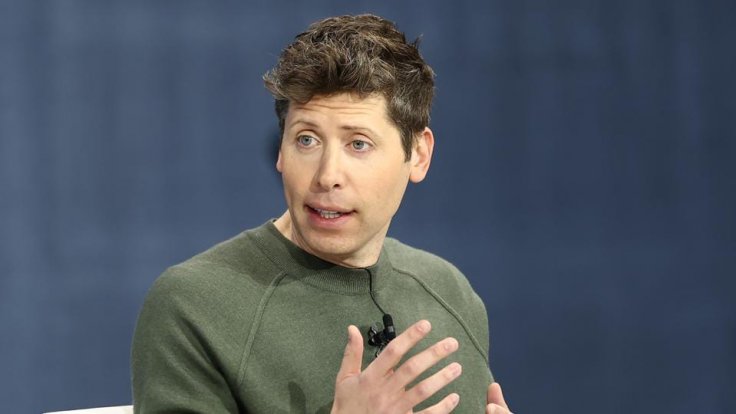
Altman, who had previously dismissed the theory, shocked many people when he posted about X: "I never took the dead internet theory that seriously, but it seems like there really are a lot of LLM-run Twitter accounts now." The post spread like wildfire and received backlash and mockery.
Some users fired back sarcastically, accusing Altman of contributing to the very trend he was now warning against. One wrote, "BREAKING: Man who created LLMs complains that nearly all Twitter accounts are now LLMs. Another wrote, "My dude, you basically laid the foundation of the dead internet theory." Some are making fun of him by impersonating the style in which ChatGPT writes.
The "Dead Internet Theory" is a long-running idea that suggests most online activity is generated by bots and artificial intelligence rather than real human users. Supporters of the theory suggest that people today connect with AI systems posing as social media accounts, which would make much of the internet an artificial environment with little real human interaction.
Though once dismissed as a fringe conspiracy, the possibility of an AI conspiracy is looking less outlandish as generative AI continues to proliferate. Today's AI models, like OpenAI's ChatGPT, are capable of generating human-like text, images, and even videos at the click of a button. That has made it simple for automated accounts to flood platforms with believable content.
Ever since Elon Musk took over X and his ambition to make X a source of revenue, bot accounts have been piling under viral posts. Many of these accounts employ large language models (LLMs) to post long, general comments. They lack the command of the human hand, but in their sheer number, the impression is that of a machine-dominated chamber.
Altman's statement was ironic, as OpenAI is one of the leading forces behind the global adoption of AI. Critics say that his company's technologies made it easier for bots to scale up. Still, his warning reflects a broader concern shared by researchers and users alike: distinguishing between authentic human interaction and AI-generated noise is becoming increasingly difficult.