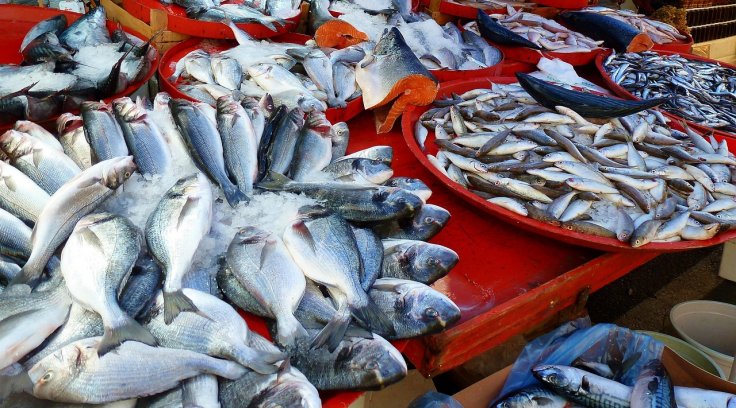
The United States (US) has suspended imports of fishery products from 12 major Vietnamese fishing grounds with effect from January 1 following a decision by the National Oceanic and Atmospheric Administration (NOAA).
The move comes after NOAA denied "comparability findings" for the affected regions, citing non-compliance with the standards set out under the Marine Mammal Protection Act (MMPA).
According to a strategic analysis by the Thai Trade Centre in Ho Chi Minh City, the suspension is expected to significantly alter the competitive dynamics of the US seafood market.
In the near term, the restriction is likely to create a sizeable supply gap, particularly for products such as tuna, squid and crab, where Vietnam has traditionally been a major supplier to the US.
The resulting shortfall presents an opportunity for other regional exporters to expand their presence in the American market. Thailand, in particular, is seen as well-positioned to capitalise on the situation by increasing exports and securing a larger market share, the analysis noted.
Beyond its immediate commercial impact, the decision signals a broader shift in global trade norms. Environmental protection and sustainability requirements, once viewed as technical hurdles, are increasingly becoming non-negotiable foundations of international market access, especially in developed economies such as the US.
For Thai seafood producers and exporters, the development represents both an opening and a warning.
While Thailand's established fishery regulatory framework and compliance with international monitoring standards could strengthen confidence among US importers, the Thai Trade Centre cautioned that environmental regulations are likely to become even more stringent.
Exporters were urged to ensure strict documentation, including Certificates of Admissibility, and maintain full traceability throughout their supply chains to protect long-term market access.
The impact is also expected to be felt by Thai companies with investments or operations in Vietnam. Although these firms may face short-term disruptions to production and exports, the situation could evolve into a strategic opportunity.
By facilitating technology transfers and promoting sustainable fishery management practices, Thai investors could help Vietnamese fisheries meet MMPA requirements and upgrade industry standards.
The analysis concluded that the suspension highlights the urgent need for Thailand's fishery sector to move away from price-based competition. Instead, long-term competitiveness in the global market will increasingly depend on sustainability, transparency and adherence to high environmental standards.


