Vietnam's foreign direct investment (FDI) landscape has opened the year on a high note, with realized capital demonstrating significant growth in January 2026.
According to the latest data released by the Ministry of Finance (MoF), disbursed FDI reached $1.68 billion for the month, representing an 11.26% increase over the $1.51 billion recorded in the same period last year.
This uptick in actual spending suggests that international firms are not merely pledging support but are actively executing and expanding their physical operations and production lines across the country.
The ministry characterized this momentum as a vital indicator of investor confidence in Vietnam's long-term economic stability and business climate.
In contrast to the rise in disbursed funds, the total registered FDI experienced a notable year-on-year contraction, falling by 40.58% to just over $2.57 billion.
While this headline figure appears to show a decline, financial authorities clarified that the dip is largely due to a high comparison base from January 2025, which saw an extraordinary surge in capital adjustments for existing large-scale projects.
Despite the overall drop in total registration, the appetite for new ventures remains healthy. Newly registered capital grew by 15.71% to $1.489 billion, spanning 349 distinct projects, which proves that fresh investment flows continue to enter the Vietnamese market at a steady pace.
The sectoral distribution of these investments remains heavily concentrated in the manufacturing and processing industry, which attracted $1.964 billion or roughly 76% of the total capital.
This trend underscores Vietnam's strengthening position as a primary hub for global supply chain diversification. Real estate followed as the second most popular sector, drawing nearly $250 million, while information and communications, wholesale and retail trade, and scientific activities also secured significant shares.
The ministry noted that this consistent structure aligns with the nation's strategic goals of becoming a manufacturing powerhouse within the region.
From a geographic perspective, traditional investment partners within the Asia-Pacific region continue to provide the lion's share of capital.
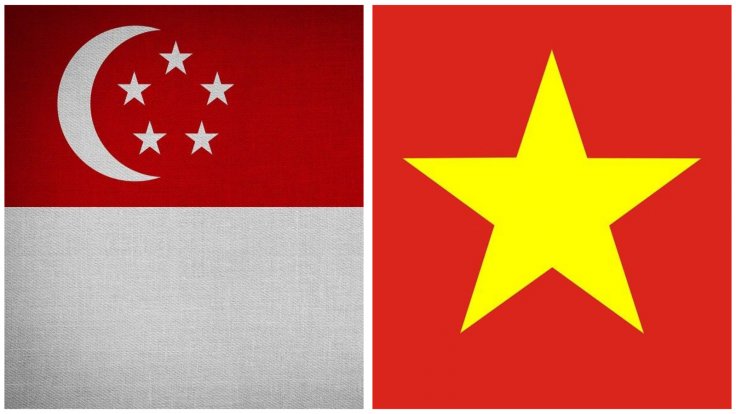
Singapore maintained its lead as the top investor, contributing $1.07 billion, followed closely by South Korea, China, and Japan. Together, these four nations accounted for approximately 86% of the total registered capital for the month.
Beyond these regional giants, Vietnam continues to diversify its investor base, with notable contributions from the United States and the Netherlands. This blend of regional and Western investment reflects a broad-based international commitment to Vietnam's emerging role in the global economy.


