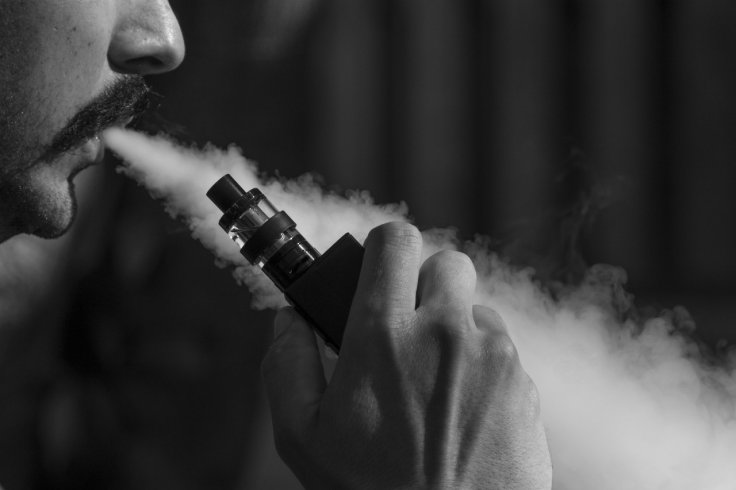
Vape users, sellers and smugglers could soon face dramatically stiffer penalties in Singapore under proposed amendments tabled in parliament on February 12, as the government signals a tougher stance against vaping and related substances.
The Tobacco (Control of Advertisements and Sale) (Amendment) and Other Matters Bill seek to overhaul existing laws, including renaming the current Act to the Tobacco and Vaporisers Control Act. If passed, the changes would raise fines to five times the current maximum for users, 20 times for sellers and 30 times for smugglers.
Under the proposed framework, individuals caught using vapes could be fined up to S$10,000, up from the current maximum of S$2,000. Those who distribute, import or sell vapes and their components could face fines of up to S$200,000 and jail terms of up to six years. Smugglers would face the harshest penalties, with fines of up to S$300,000 and imprisonment of up to nine years.
At present, sellers and distributors can be jailed for up to six months and fined up to S$10,000, with maximum penalties doubled for repeat offenders. The bill comes just six months after the government announced tougher enforcement measures on August 28, 2025, underscoring mounting concern over vaping.
A key feature of the proposed amendments is the introduction of a new definition of "specified psychoactive substances", aimed at tackling the rise of vapes laced with etomidate. The anaesthetic agent and its analogues will be listed under this category, broadening the scope of the law and allowing for treatment and rehabilitation options for abusers.
Etomidate was classified as a Class C drug under the Misuse of Drugs Act on September 1, 2025, after authorities observed a spike in young people using etomidate-laced vapes, commonly referred to as Kpods. The move enabled enforcement agencies to take stronger action.
Currently, those found possessing or consuming etomidate face up to 10 years' jail and a S$20,000 fine. Traffickers can be jailed for up to 10 years and receive five strokes of the cane, while those who smuggle the substance into Singapore face up to 20 years' jail and 15 strokes of the cane.
The temporary listing of etomidate as a Class C drug was due to lapse on February 28, but has been extended to April 30.
Coordinating Minister for National Security and Home Affairs Minister K. Shanmugam said that the extension would remain in place while the Ministry of Health (MOH) finalises amendments to the law.
The proposed bill makes clear that similar punishments will apply to Singaporeans and permanent residents even if offences are committed overseas.
Etomidate, once regulated under the Poisons Act as a medicinal ingredient used in clinical settings, previously carried a maximum penalty of two years' jail and a S$10,000 fine for possession, use or trafficking. When inhaled through vapes, it can cause spasms, breathing difficulties, seizures and psychosis.
The government's sharpened approach reflects broader concerns about vaping trends. In his National Day Rally speech in August 2025, Prime Minister Lawrence Wong said that Singapore would treat vaping as a drug issue and impose stiffer penalties, warning that while etomidate is the current threat, more dangerous substances could emerge in future.
Vaping has been banned here since 2018, with enforcement stepped up significantly from July 2025. In the last four months of 2025 alone, more than 3,500 people were caught for possessing or using vapes, including 366 who had used Kpods.
The bill is expected to be debated at a later date.


