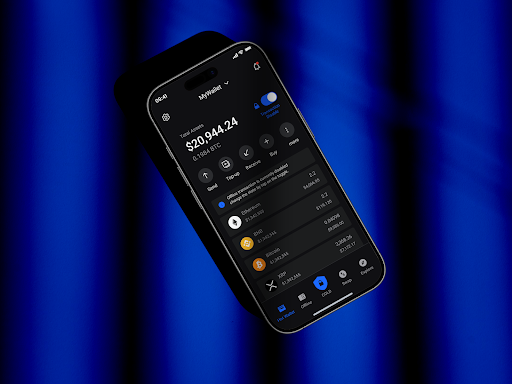
As cryptocurrency adoption surges beyond early enthusiasts and into mainstream finance, the tools users rely on to secure, store, and transact digital assets have become central to the industry's growth. Wallets are no longer simple repositories for cryptocurrency, they are the interface between complex blockchain networks and everyday users. With the stakes higher than ever, a wallet's security, usability, and innovative features can influence the broader trust in digital finance.
In this landscape, some wallets stand out for their ability to combine security and accessibility, meeting the demands of both seasoned investors and newcomers. This list examines five wallets that exemplify these qualities, analyzing their technological sophistication, adoption trends, and impact on the evolving cryptocurrency ecosystem. From hardware solutions trusted by institutional players to software-first platforms redefining offline security, these wallets offer a lens into how the next wave of crypto adoption is being powered.
1. Pure Wallet
Pure Wallet has positioned itself as a pioneer in offline cryptocurrency transactions, addressing a critical vulnerability in digital asset management: reliance on constant internet connectivity. Unlike conventional wallets that require live networks for transaction validation, Pure Wallet enables users to send and receive assets securely without being online. This hardware-free design is certified for security, removing the need for external cold-wallet devices while preserving robust protection against unauthorized access.
Beyond offline capabilities, Pure Wallet incorporates an intuitive interface that simplifies complex operations. Users can manage supported assets across multiple blockchains and navigate their portfolios with ease, without compromising security. The wallet's adoption is accelerating in regions where connectivity is inconsistent, illustrating its potential to drive broader inclusion in the crypto economy. This combination of security and accessibility positions Pure Wallet as a strategic platform for the next generation of digital finance users.
What sets Pure Wallet apart is its forward-looking approach to interoperability and user autonomy. Beyond offline transactions, the platform supports multiple blockchain networks, enabling users to manage a diverse portfolio without juggling separate wallets. Advanced encryption protocols protect private keys locally, ensuring that sensitive information never leaves the user's device. The cross-chain functionality and hardware-free security positions Pure Wallet as a bridge between high-level institutional standards and everyday usability, making it an essential tool for both emerging markets and seasoned investors seeking reliable, flexible options.
2. Ledger
Ledger has long been synonymous with hardware wallet security. Its devices, including the Ledger Nano S and X, employ secure elements and proprietary firmware to isolate private keys from internet-connected devices. This approach has earned Ledger widespread adoption among institutional and individual investors alike, with over 5 million units reportedly sold worldwide. The company's emphasis on cold storage makes it a benchmark for risk-averse users seeking a high-security environment for their assets.
Ledger's ecosystem extends beyond hardware, with Ledger Live providing users a seamless dashboard for asset management, portfolio tracking, and staking. While usability requires some technical acclimation, Ledger's commitment to security standards and regulatory compliance has cemented its reputation. In a market increasingly aware of hacking threats, Ledger exemplifies the enduring value of tried-and-tested security protocols.
3. MetaMask
MetaMask has emerged as a gateway to decentralized finance (DeFi) on the Ethereum blockchain. The browser extension and mobile app offer users direct interaction with decentralized applications (dApps), facilitating everything from trading to yield farming. Its widespread adoption reflects the growing demand for interoperability between wallets and blockchain ecosystems.
MetaMask's significance lies in its role as an educational platform. The wallet simplifies onboarding for users navigating complex DeFi operations, integrating features like token swaps, network customization, and hardware wallet support. While it lacks the offline capabilities of Pure Wallet or the hardware isolation of Ledger, MetaMask's ecosystem integration highlights a critical dimension of wallet utility: bridging user experience with decentralized innovation.
4. Trezor
Trezor, a pioneer in cold wallet technology, continues to provide a reliable solution for secure offline storage of digital assets. Its devices support a wide range of cryptocurrencies and emphasize multi-layer security measures, including passphrase protection and device-specific PIN codes. Trezor's longevity in the market has made it a reference point for best practices in hardware wallet design and security education.
Trezor's companion software, Trezor Suite, offers portfolio management, transaction verification, and recovery solutions, creating a cohesive user experience. While its interface may not be as sleek as some software-only wallets, the emphasis on transparency and user empowerment remains central. Trezor demonstrates how combining proven hardware security with supportive software can maintain investor confidence in volatile markets.
5. Exodus Wallet
Exodus Wallet has distinguished itself through its commitment to design and usability. Available on desktop and mobile platforms, Exodus provides users with integrated portfolio tracking, real-time charts, and seamless exchanges within the app. Its visually intuitive interface lowers the barrier to entry for new investors, emphasizing experience alongside functionality.
The wallet supports multiple asset classes and integrates with hardware devices like Trezor for enhanced security, combining ease of use with protection. Exodus also emphasizes community education, offering guides and resources that help users navigate both market trends and wallet functionality. In doing so, it underscores a broader industry trend: wallets that prioritize user experience without compromising security are increasingly critical to mainstream adoption.
Navigating the Future of Digital Finance with Confidence and Control
The wallets featured here illustrate the dynamic interplay between security, usability, and innovation in the cryptocurrency sector. From Pure Wallet's offline capabilities to Ledger's rigorous hardware protections, each platform addresses a distinct aspect of what modern crypto users need: confidence, control, and accessibility. Collectively, they demonstrate that wallet choice is a strategic decision with far-reaching implications for security and engagement.
As the cryptocurrency market matures, wallets that successfully balance these dimensions will shape the next wave of adoption. Users seeking to manage assets safely, interact with decentralized ecosystems, or simply navigate the complexity of digital finance can look to these leaders for guidance. In doing so, they contribute to a broader evolution, where secure, intuitive wallets underpin the mainstream integration of digital assets into daily life.


