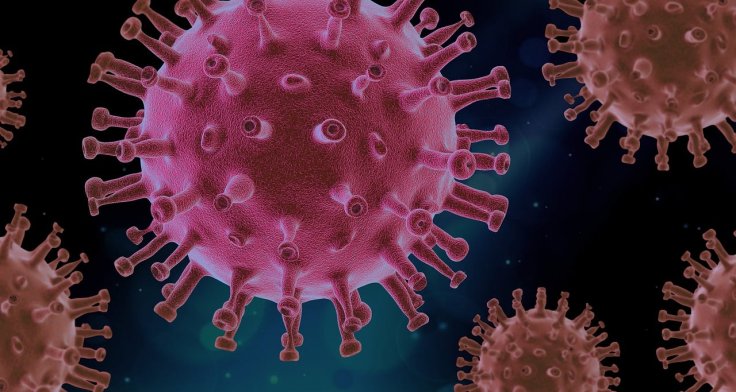
Scientists have resurrected an ancient infectious lifeform that might ride on an animal and eventually start the next human pandemic, which sounds like something from a science fiction horror film.
According to reports, these microbes were frozen in Alaska for almost 40,000 years. However, after thawing samples of ancient permafrost, which is a mixture of frozen rock, soil, and ice, researchers from the University of Colorado Boulder discovered that the microbes gradually came back to life.
Initially, nothing happened. However, the Daily Mail reported that within months, the long-dormant microorganisms started to establish flourishing colonies, raising questions about what else might come to life as the Arctic melts.
"These are not dead samples by any means," said Dr Tristan Caro, a geoscientist who led the study published in Journal of Geophysical Research: Biogeosciences.
The microorganisms, which are imperceptible to the human eye, were gathered from the Permafrost Research Tunnel in Alaska, which is located close to Fairbanks and is referred to as a "icy graveyard."
In order to replicate a warming Arctic summer, scientists incubated the samples at temperatures ranging from 3°C to 12°C.
Microbial communities underwent a significant change in just six months, resulting in the formation of biofilms, which are difficult-to-get rid of slimy bacterial layers.
The team that brought these microbes back to life cautioned that even though they "probably couldn't infect people," they could still be extremely dangerous. Methane and carbon dioxide, two greenhouse gases that hasten climate change, are released when they reawaken.
But according to Dr. Caro, this process might be accelerated by longer, warmer Arctic summers. "You might have a single hot day in the Alaskan summer, but what matters much more is the lengthening of the summer season to where these warm temperatures extend into the autumn and spring."
Deeper questions are raised by the fact that these microbes can endure for tens of thousands of years. Permafrost melting, according to experts, may eventually reveal ancient bacteria or viruses that can infect contemporary hosts.
Swedish infectious disease specialist Dr. Brigitta Evengård issued a warning that bacteria resistant to antibiotics may be released from permafrost.
"The two that we know could come out of the permafrost are anthrax and pox viruses; other than that, it's Pandora's box," Evengård told Greenpeace.
According to another study that was published in the Proceedings of the Royal Society B, the risk of "viral spillover," or a virus spreading to a new host species, is increased when glaciers melt. Ancient pathogens might discover new ways to infect animals or even people as meltwater enters Arctic lakes.


