Long-standing scientific worries may be surprisingly rekindled by new research from the University of Colorado Boulder, which indicates that some corals may be adjusting to the changing climate rather than declining as oceans become more acidic.
Coral skeletons from the Great Barrier Reef and the Coral Sea—one from 115 years ago and the other from nearly 200 years ago—were the subject of the study, which was published in Science Advances.
Researchers Jessica Hankins discovered that despite the rise in ocean acidity since the Industrial Revolution, corals have continued to form their hard calcium carbonate skeletons using a sophisticated technique known as Raman spectroscopy.
"We found that corals were able to regulate the mechanism they use to build and maintain their skeletons despite the ocean becoming more acidic," said Hankins, calling it "an unexpected and hopeful signal."
This is significant because rising atmospheric carbon dioxide levels lead to ocean acidification, which decreases the availability of carbonate ions, an essential component of coral skeletons.
For a long time, scientists were concerned that this would result in weakened coral structures and widespread reef collapse. However, this study raises the possibility that some coral species are more resilient than previously believed.
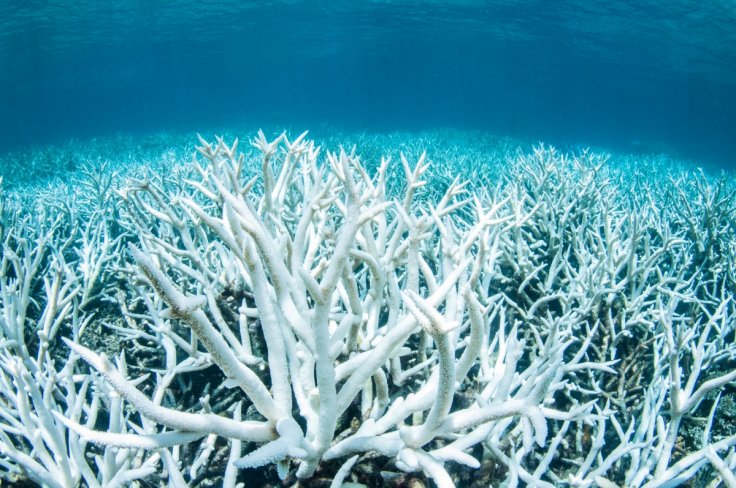
The study is especially important because overfishing, pollution, and warming waters continue to put coral reefs under tremendous stress. At least 62 countries and territories experienced mass bleaching events between 2023 and mid-2024, underscoring the serious dangers these ecosystems face.
Coral reefs serve as nurseries, habitats, and feeding grounds for thousands of marine species, making them more than just stunning underwater structures. They also benefit people by preventing erosion and storm damage to coastlines.
Although the results give some hope, scientists warn that further study is required to determine whether this adaptability holds true for other coral species and geographical areas.
Nevertheless, the finding highlights the significance of preserving marine environments in the face of climate change and serves as a reminder that nature may be more resilient than we think.


