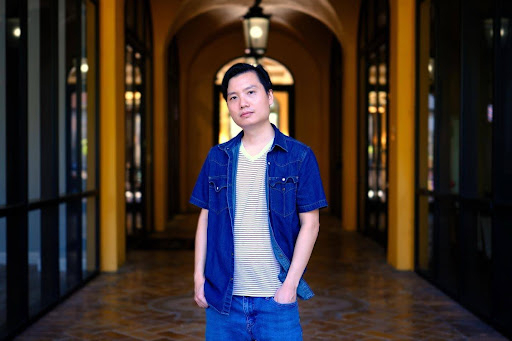
Most people don't realize how different creating a 3D environment for your phone versus a Disney theme park actually is. Nathaniel Halim does and the technical challenges he faces daily are reshaping how the entire entertainment industry thinks about digital art.
The Indonesian artist has built 3D worlds for everything from Gucci's award-winning fashion shows to major theme park attractions. His work sits at the intersection of luxury brands, mobile gaming, and physical entertainment three sectors that couldn't be more different technically.
"Despite advances in chip technology, mobile games still require heavy optimization to save on memory and processing power," Halim explains. "This is why mobile titles often appear a few years behind PC and console games in terms of visual fidelity." He spends hours troubleshooting just to make sure a 3D handbag looks decent on an iPhone 12 versus the latest Samsung Galaxy.
Theme parks? Completely different beast. When Halim creates a 3D building for a ride, it's not just about looking good it has to be buildable. "Stairs need to meet specific height standards, and walls must have the correct thickness," he says. Every digital statue or prop gets scrutinized because someone will eventually manufacture it in the real world.
Then there's the AI question everyone's asking. Halim's been experimenting with ChatGPT, Midjourney, and Adobe Firefly, but he's realistic about what they can do. "When used thoughtfully, they can significantly boost productivity and even help solve complex creative or technical challenges," he says. The obvious keyword: thoughtfully.
His work on Gucci's digital fashion experiences required exceptional visual fidelity. "Working with luxury brands such as Gucci requires an exceptional level of visual fidelity in 3D asset creation," Halim explains. "Every model must meet strict guidelines regarding silhouette, color, and material quality. There's often extensive back-and-forth communication to ensure the final product aligns perfectly with the client's vision."
Theme park projects give him more creative freedom, though within strict IP guidelines. "There are times when I'm provided only 2D concepts and it becomes my job to translate those into functional, visually compelling 3D assets," Halim notes. Those moments of creative input make the technical constraints worthwhile.
Real-time rendering is becoming standard, but Halim warns it's not a magic solution. "I don't think it will completely replace traditional workflows, since it comes with its own challenges particularly the steep technical learning curve and higher production costs." The technology works great for automotive design and manufacturing, but entertainment projects still need hybrid approaches.
What's next? Halim sees big potential in location-based entertainment, especially in hot climates where people prefer indoor experiences. "Audiences there often prefer indoor entertainment experiences, making VR and AR-based attractions even smaller-scale rides highly appealing."
His journey from a banking career to building digital worlds reflects a larger shift in the industry. Technical skills matter, but so does understanding business constraints, client communication, and project management. "You need to speak both languages," he says.
The 3D art world is changing fast, but Halim's betting on artists who can adapt across platforms and industries. Whether it's a luxury brand's mobile app or a theme park's next big attraction, the fundamentals remain the same: solve technical problems while making something people actually want to experience.


