
In a precedent-setting move, the U.S. Embassy in New Delhi has revoked and denied visas for an Indian CEO and his immediate family members over alleged links to trafficking fentanyl precursors, marking the first time corporate leadership from India has been directly targeted in Washington's escalating war against synthetic opioids.
The rare step was taken under sections 221(i), 212(a)(2)(C), and 214(b) of the U.S. Immigration and Nationality Act, effectively rendering the executive, spouse, and children ineligible for travel to the United States.
"The U.S. Embassy in New Delhi remains steadfast in its commitment to combating illicit drug trafficking. Individuals and organizations involved in the illegal production and trafficking of drugs to the United States, along with their families, will face consequences that may include being denied access to the United States," affirmed Chargé d'affaires Jorgan Andrews.
Fentanyl, a synthetic opioid estimated to be 50 times stronger than heroin, lies at the heart of America's overdose epidemic, driving more than 100,000 deaths every year. While China was once the dominant source of fentanyl and its variants, tighter enforcement there has shifted much of the precursor supply chain toward other countries, including India.
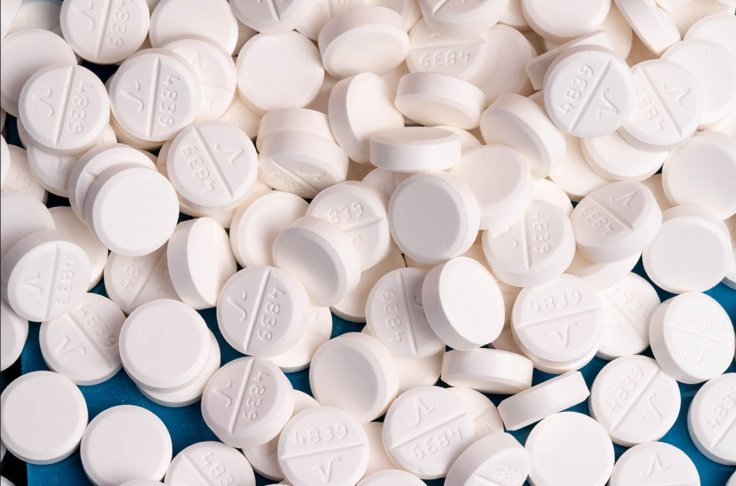
Precursor chemicals themselves are legitimate industrial inputs, but they can be diverted into illicit markets to manufacture fentanyl. Regulators — from the UN's drug control bodies to national agencies — have steadily added known fentanyl precursors to restricted lists. Yet traffickers frequently adapt by turning to substitute compounds and new synthesis routes. That adaptability is why U.S. authorities track precursor supply chains so aggressively and move against companies and executives linked to the trade.
Regional significance
The crackdown comes amid heightened global scrutiny of fentanyl precursors. Long associated with supply chains in China, production has increasingly shifted to India, where the pharmaceutical and chemical industries play a key role in global exports. With Singapore being a major hub for both pharma and shipping, the decision raises questions about whether U.S. pressure could extend further across Asia.


