Redefining the boundaries between data infrastructure and artificial intelligence to create self-optimizing enterprise ecosystems
Orchestrating the Data Revolution in Enterprise AI
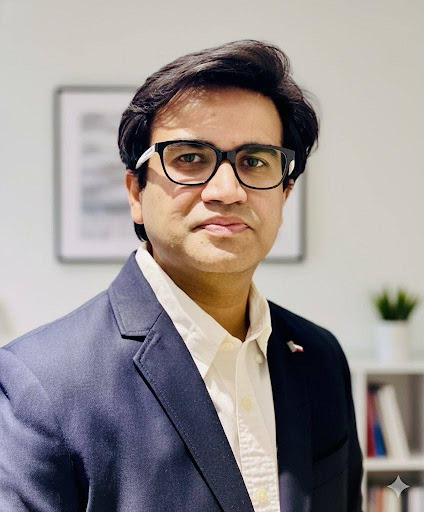
The enterprise technology landscape is undergoing a profound shift as organizations face rapidly expanding data volumes, increasing system complexity, and rising expectations for timely, data-driven decision-making. This evolution has created a growing need for engineering leaders who can connect traditional data platforms with modern, cloud-ready architectures. Rahul Jain, Associate Director of Projects at Cognizant, is part of this new class of leaders helping enterprises navigate that transition with clarity and confidence. Over the past 16 years, he has built a broad foundation across mission-critical database technologies such as PostgreSQL, Oracle, MySQL, and Cassandra, along with distributed systems like Redis and Hazelcast, and cloud platforms including AWS, Microsoft Azure, and Oracle Cloud.
Rahul's work focuses on designing practical, resilient solutions that help organizations move from fragmented legacy environments to cohesive, scalable, and future-ready data ecosystems. Rather than pursuing technology for its own sake, he collaborates with teams to build systems that enable better decision-making, streamline operations, and support long-term business growth. His approach reflects a belief that meaningful transformation is achieved not through dramatic disruption, but through thoughtful engineering, steady modernization, and close partnership with the teams and stakeholders who rely on these systems every day.
Pioneering Explainable AI for Enterprise Governance
As organizations steadily increase their use of AI, many face the challenge of ensuring that these systems remain transparent, accountable, and aligned with regulatory expectations. Rahul's academic work in the area of explainable AI reflects his commitment to helping enterprises adopt AI responsibly. His research on model-interpretability techniques such as SHAP (SHapley Additive exPlanations) and LIME (Local Interpretable Model-Agnostic Explanations) explores practical ways to make complex algorithms easier to understand and evaluate.
Instead of focusing solely on theoretical models, Rahul examines how explainability can fit into real-world enterprise workflows particularly in sectors where auditability and compliance are essential, such as healthcare, financial services, and telecommunications. His frameworks offer organizations a clearer path for integrating AI tools while maintaining transparency for internal teams, regulators, and business stakeholders. Through this work, Rahul contributes to the broader effort within the industry to build AI systems that are both effective and responsible, supporting governance practices that grow alongside technological advancement.
Engineering Excellence That Delivers Unprecedented ROI
Rahul Jain's body of work reflects a consistent ability to convert complex engineering challenges into tangible business results. His leadership on Cognizant's flagship Exadata Strategic Engagement modernized a large-scale database ecosystem through advanced automation, proactive monitoring, and streamlined operational workflows. This multi-million-dollar initiative delivered substantial outcomes, including a 30% reduction in operational costs, a 60% drop in critical incidents through early-warning detection and standardized procedures, and a 50% improvement in mean time to resolution. These enhancements allowed technical teams to shift away from reactive problem-solving and focus more on long-term planning and innovation.
Building on this success, Rahul helped design an enhanced database performance and optimization framework that brought greater efficiency and predictability to database platforms. By combining workload analysis, performance tuning automation, and intelligent configuration management, the platform achieved a 60% reduction in query latency, doubled throughput without additional hardware investment, and lowered operational overhead by 25%. In addition, automating nearly 70% of routine tuning activities freed database administrators to focus on strategic, value-driven work. These initiatives highlight Rahul's ability to deliver modernization solutions that are both technically sound and financially impactful.
The Autonomous Migration Platform: Redefining Cloud Transformation
Rahul's current pioneering work on an AI-driven autonomous database migration platform addresses one of enterprise modernization's most complex and notorious challenges traditional migration projects plagued by delays, cost overruns, and business disruption. His revolutionary platform leverages machine learning to automate migration workflows, predict and prevent potential issues, and optimize performance throughout transitions, delivering transformational results including an 80% reduction in migration timelines through intelligent automation, near-zero downtime during critical system transitions, $2 million in annual savings through optimized resource utilization and risk mitigation, while supporting 230-250 enterprise users with enhanced reliability and compliance. This comprehensive solution transforms migration challenges into manageable, efficient processes that demonstrate how AI can fundamentally reshape enterprise modernization strategies.
Mastering the Multi-Cloud, AI-Ready Architecture
Rahul brings a broad and well-rounded understanding of modern enterprise technology, gained through years of working across diverse platforms and complex environments. His experience spans major cloud ecosystems such as Oracle Cloud Infrastructure, Amazon Web Services, and Azure, as well as a wide range of database technologies including PostgreSQL, Oracle Exadata, Apache Cassandra, and distributed caching tools like Redis and Hazelcast. He is equally comfortable working with DevOps and infrastructure automation frameworks using Terraform, Helm, Kubernetes, Docker, and Amazon EKS to design systems that are scalable, consistent, and easy to operate. Rahul also applies AI and analytics thoughtfully, integrating machine learning models, predictive insights, anomaly detection, and performance-optimization techniques into systems where they offer meaningful value. This balanced skill set allows him to design hybrid architectures that connect established enterprise systems with emerging AI-ready platforms, helping organizations modernize at a sustainable pace while preserving stability, data integrity, and strong governance.
Strategic Leadership That Transforms Organizations
Rahul's leadership impact extends far beyond technical problem-solving. He is known for bringing a strategic, collaborative approach to modernization one that aligns engineering priorities with business goals and helps organizations adopt new technologies in a responsible, scalable way. His focus on cross-functional partnership ensures that architectural decisions support long-term growth, operational stability, and revenue objectives. Rahul also emphasizes integrated governance, embedding security, compliance, and auditability directly into system design rather than treating them as afterthoughts. Equally important, he fosters a culture of continuous learning and accountability, encouraging teams to explore new ideas while maintaining high standards of quality and reliability. Through clear communication and a balanced perspective, Rahul helps translate complex technical concepts into insights that resonate with senior leadership, enabling informed decision-making. This thoughtful, inclusive approach has made him a valuable contributor to enterprise transformation efforts and a trusted partner to both technical and business stakeholders.
Defining the Future of Intelligent Enterprise Architecture
As enterprises continue navigating the complexities of digital transformation, Rahul Jain's work reflects how thoughtful, collaborative leadership can help organizations embrace AI and data modernization with confidence. His projects ranging from AI-enabled database optimization to autonomous migration frameworks offer practical examples of how teams can use emerging technologies to build systems that are more resilient, efficient, and intelligent. Rahul approaches innovation with a focus on partnership, ensuring that engineering rigor, data integrity, and governance remain at the center of every solution. His contributions demonstrate how committed technical leaders, working alongside diverse teams and stakeholders, can accelerate modernization in a way that balances immediate operational needs with long-term strategic goals. Rather than redefining the future alone, Rahul sees himself as part of a broader movement of engineers, researchers, and enterprise leaders who are jointly shaping the next generation of intelligent systems one grounded in responsibility, transparency, and meaningful business impact.


