When the OpenAI team finally unveiled GPT-5, and while it didn't introduce many new features, people had already grown accustomed to weaving AI into their daily lives. A Statista Consumer Insights report in 2024 shows that 20% of Americans say AI tools are part of their day-to-day lives, indicating growing integration of AI into routines. Since AI signaled a new wave of economic and cultural transformation, it now fuels small business growth by automating operations, drives language accessibility through real-time translation, and enables niche artists to reach global audiences without traditional gatekeepers.
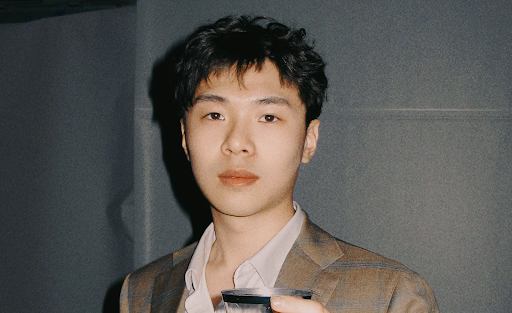
This broader impact is particularly visible in the online creator economy, where AI tools are enabling unprecedented opportunities for innovation. Through a series of pioneering designs, which is most notably TikTok's milestone AI Comment Inspiration feature, Weilong Gao has helped translate this technological momentum into significant outcomes: fostering job creation, exporting American cultural content to global audiences, and widening access to creative entrepreneurship.
While platforms like TikTok have opened up a new opportunity where anyone with a phone and a story can reach a huge audience, the real transformation happens behind the scenes, where people like Weilong Gao, a product designer at TikTok, are designing the fundamental logic structure that powers creative livelihoods. His biggest challenge was finding a way to protect the exclusivity of creators' paid content while still maximizing subscriber conversion. The traditional model asking users to pay before seeing any content proved ineffective. In response, Gao pioneered a "customizable preview" model. This mechanism allows creators to strategically select specific images or content from their paid posts as free previews, drawing curiosity and driving subscription intent, and significantly increasing creators' income. This transformation was more than just a UX optimization, it was the invention of an entirely new logic for digital content monetization, one that has since been patented.
Though viral shorts or videos can generate huge economic returns, Weilong Gao's work is now focusing on AI subscription, trying to make AI more productive from a user experience perspective. "My design philosophy is to help creators build assets, not just generate traffic, which is temporary," Gao explains. "A successful viral video of course gains a lot of traffic, but a loyal subscription community is the most predictable, sustainable digital asset." Guided by this principle, the subscription feature he designed has given millions of creators their first real pathway to stable income on TikTok. As noted in an Oxford Economics report, TikTok contributed $24.2 billion to the U.S. GDP and supported 224,000 jobs, with the help of Gao's. What Gao designed wasn't just a button or a page, but the very engine of the creator economy ecosystem.
There's also a cultural export dimension to his work. Gao's design systems at TikTok allow creators to reach global audiences without expensive gear. According to Oxford Economics, U.S. small-and mid-sized businesses on TikTok generated nearly $15 billion in revenue in 2023, contributing a whopping $24.2 billion to U.S. GDP and supporting 224,000 full-time jobs. For creators across the country, cultural storytelling translates into economic opportunity.
Weilong Gao has also been recognized for his thought leadership beyond TikTok, serving as a judge for major competitions such as the UC Berkeley AI Hackathon and the Globee® Awards for Innovation, where he emphasized breakthroughs that create jobs and enable new business models.