• Sam Altman outlines OpenAI red lines in Pentagon talks
• Memo rejects AI use for mass surveillance, lethal weapons
• OpenAI seeks classified deployment under defined safeguards
• Dispute follows Anthropic resistance to Pentagon contract terms
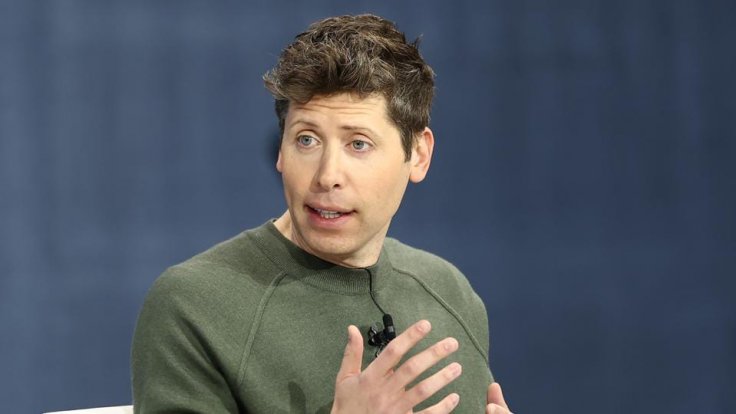
OpenAI Chief Executive Sam Altman has indicated to employees that the company will embrace the identical fundamental limitations which provoked a high-profile conflict between competitor Anthropic and the Pentagon which unequivocally delineated the limits to the use of artificial intelligence in relationships to national security.
In one memo acquired by Axios, Altman stated that OpenAI would not allow its models to be deployed to mass surveillance or deployed to lethal weapons acting autonomously, which puts the company on the same side, at least in rhetoric, as Anthropic. There have to be a way we ended up here, but this is not any more of a matter between Anthropic and the [Pentagon], but that of the entire industry, and it is time to make our position very clear, Altman wrote Thursday evening.
It has been our belief that mass surveillance or autonomous lethal weapons should not be automated, and human beings need to be in the loop in order to make high stakes automated decisions. These are our main red lines." The memo has positioned OpenAI and Anthropic, the chief executive of which, Dario Amodei, has opposed Pentagon contract verbiages that would enable its AI systems to be deployed to all lawful purposes without integrating certain guardrials established by the company itself.
The statement by Altman serves as an indication that the major players in AI might unite around common boundaries, despite being in the competition of getting lucrative federal contracts. The Pentagon is reviewing superior types of the classified and highly sensitive work where the Claude system of Anthropic was the first to be incorporated.
Contracting Push Grows in Pentagon Talks
However, although they introduced the same red lines, Altman explained that OpenAI was open to widening its partnership with the U.S. military. ChatGPT has already found its way to unclassified military systems and negotiations regarding its use in classified settings have stepped up in recent days, according to individuals involved with the negotiations.
We will find out whether there is a bargain with the [Pentagon] that will permit our models to be used in classified settings and is consistent with our values, Altman wrote. We would seek the contract to treat any utilisation other than those which are unlawful or unsuitable to cloud deployments, including domestic surveillance and autonomous offensive weapons.
The defence officials have cited that contractual language that needs to grant access on the usage of the law is mandatory to allow operational flexibility. They have refuted any desire to engage in mass surveillance or use fully autonomous offensive weapons, but have resisted the opposition by commercial enterprises determining the limits to military application. The talks step-up following the news that the Pentagon may deem Anthropic an Anthropic supply chain danger, which might create a pathway to alternative suppliers including OpenAI or Google to replace it.

Other participants have been drawn in, with xAI, which was co-founded by Elon Musk, seemingly making broader contractual promises, but its Grok model is not yet as broadly perceived to be replacing Claude in classified environments on an end-to-end basis. The conflict has boiled over into the open. In the Pentagon, the man in charge of the negotiations, Emil Michael, took Amodei to task, claiming that Amodei was impeding national security interests. Anthropic has not confirmed those characterizations but it says it is still open to further discussions.
Industry Lines Hardening Over AI Usage
This memo by Altman indicates that the quarrel has expanded past one vendor disagreement into something that defines the connection of the AI industry and the U.S government. OpenAI and Google employees attached their names to a letter confirming their support of the stance taken by Anthropic, and encouraging the companies to withstand what they termed as pressure to weaken safety promises.
On the lines, OpenAI is suggesting mechanisms that will allow it to implement its restrictions and still cooperate with defence agencies. One of the people as close to the inner negotiations as possible argues that the company is interested in keeping the ability to constantly tighten the security surveillance mechanisms and send researchers with the necessary qualifications to monitor the practical work.
The other suggested protection is keeping more sophisticated models locked in secure cloud systems instead of providing them to run on edge systems like autonomous weapons systems. Defence officials have raised alarm that such conditions can give too much power to private firms in operations that are essential to the mission.
The larger policy context entails increased rivalry with China on the front of advanced AI technologies. The officials or the Pentagon slide into the argument that restrictive terms might be too tight and this would cripple the U.S. technological leader at a crucial geopolitical time. Meanwhile, civil society organisations and certain politicians have cautioned about the dangers of AI militarization, without specially delimited limitations.
Altman admitted the reputational interests. This is one of those situations when I want to know we do the right thing, and not the easy thing which appears strong but disingenuous. However, I understand that it might not work out well at least in the short-term, and that there is a lot of nuance and context.
The episode highlights a new reality in the major AI companies: corporate interests, ethical standards, and national security requirements are all colliding in a manner that challenges both the company regulations and the governmental policies. What negotiations between OpenAI and the Pentagon can bring in the next few weeks are not only the preferences of procurements but also the principles of deployment of advanced AI in a military environment.


