Trading card packs sold in Singapore will soon come under regulatory oversight, as the government moves to address potential gambling risks linked to so-called "blind box" products.
The Ministry of Home Affairs (MHA) confirmed on Thursday, February 26, that new regulations are being drafted. However, the details, including when the rules will take effect, will be announced at a later date.
Blind boxes refer to sealed packages containing items that are not revealed to buyers at the point of purchase. These often include collectible toys, figurines and trading cards, with some boxes containing rare items that are significantly harder to obtain. The randomised nature of such purchases has drawn comparisons to lottery-style mechanics.
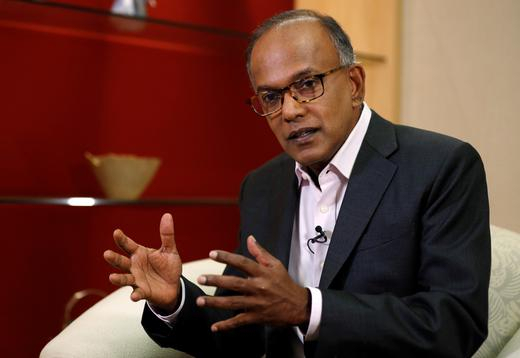
Home Affairs Minister K. Shanmugam had earlier said in Parliament on February 12 that MHA and the Gambling Regulatory Authority (GRA) decided to regulate blind boxes after studying the issue. The forthcoming rules will set out the conditions under which these products, including trading card packs, may be offered for sale here.
He was responding to a parliamentary question from Hougang MP Dennis Tan, who asked whether the government intended to mandate standardised disclosure of odds and probability ranges for blind box, or "gacha", products. Shanmugam said that the suggestion would be considered as part of the regulatory framework.
Currently, there are no laws in Singapore that specifically target blind boxes. However, "mystery boxes", which contain a broadly unknown range of items, are not allowed and are intended to be regulated through class licences issued by the GRA.
The distinction lies in scope: blind boxes typically contain items from a defined series, such as a collection of figurines or cards, while mystery boxes may include a wide and unpredictable assortment of goods.
The debate over regulation has also extended to trading cards. In a letter to The Straits Times Forum published on February 23, writer Lim Guohao argued that trading card products, such as Pokemon cards, operate on a similar randomised model.
The value of rare cards can be substantial. It was recently reported that a rare Pokemon card owned by American social media influencer and professional wrestler Logan Paul was sold for more than S$20 million at auction.
Lim noted that while trading cards have legitimate recreational and collectible appeal, the dynamics can shift when speculation and resale value take centre stage. When purchases are driven primarily by the slim chance of obtaining rare, high-value items, the psychology can begin to mirror gambling behaviour, he said.
He suggested that any regulatory approach should look beyond product labels and examine whether a product's value is largely determined by randomised outcomes, and whether it is marketed in a way that could encourage risk-taking, particularly among minors.
MHA said that more information on the scope and timeline of the regulations will be shared in due course.


