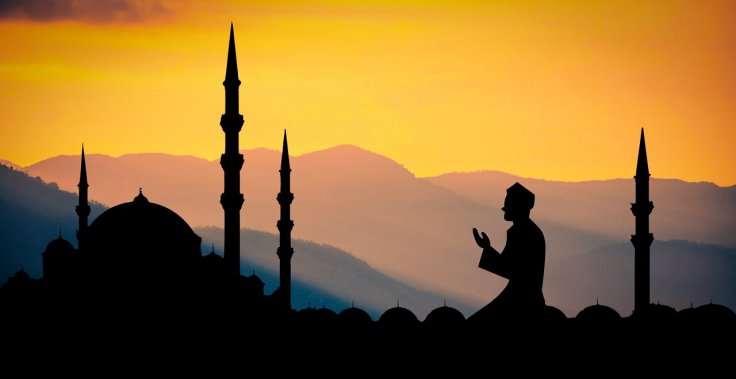
Among the most common religious activities practiced by Muslims is the fasting in Ramadan which is observed by millions of Muslims all over the world on an annual basis. The habit is not just a ritual and fasting without food and drink, but rather a very fundamental spiritual discipline, which implies obedience, self-control, and self-reflection.
The ninth month of Islamic calendar is known as Ramadan as it is considered to be sacred because it is the month during which the first verses of Quran were revealed to the Prophet Muhammad. This historical and theological meaning is the basis of fasting as a necessary practice of worship in Islam.
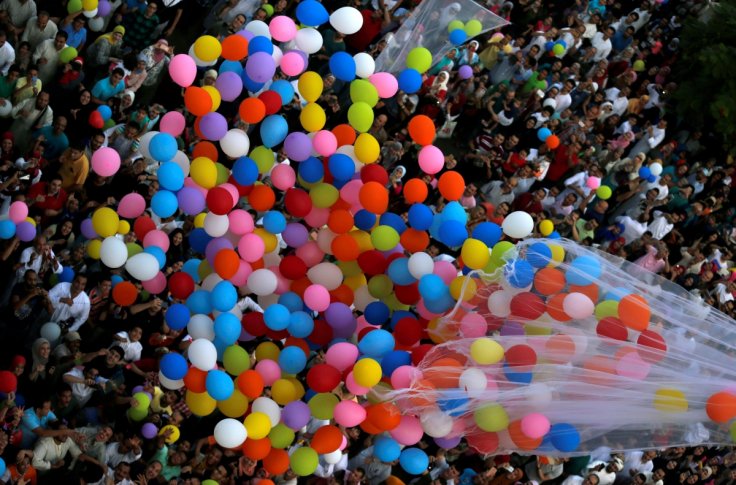
During the daytime, Muslims fast, that is, they do not eat, drink or indulge in other types of physical gratification during the month which starts at dawn and end at sunset. This ritual is referred to as Sawm; it is reckoned to be amongst the Five Pillars of Islam that are the key practises of worship that define the faith and practice of a Muslim.
The fasting is not, thus, to be an optional activity of physically and mentally fit people; it is a religious duty as a reminder of the submission to the will of God. Fasting teaches the believer to be more aware of his/her faith and actions which enhances discipline and spiritual awareness.
Other than the bodily issues, fasting is meant to expose one to compassion and sympathy toward those who face hunger and suffer every day. Taking voluntary actions of not engaging in basic comforts, Muslims are challenged to think of the less fortunate communities and this aspect leads to compassion and giving away.
This aspect of the Ramadan focuses on social responsibility and unity in the community, since the voluntary generosity and philanthropy levels rise substantially during the month. In such a way, fasting both has a personal and social role since the devotion of individuals is connected with the general ethical behavior.
Discipline and Reflection of Spirit
Fasting is the essence of the festival of Ramadan because it is the means of achieving taqwa, or an Arabic word, which is usually translated as God-consciousness, spiritual awareness. The Quran emphasizes the act of fasting as a way of building such consciousness which directs the believers to enhance their moral character and self-control.
Other forms of negative speech, anger and harmful behavior are also discouraged among Muslims during the times of fasting period. This holistic science changes fasting to a holistic discipline of ethical self-transformation instead of being a physical practice.
The everyday living during the Ramadan season tends to change in order to suit more praying, Quran reading, and meditations. The initiator of the fast is the pre-dawn meal which is called Suhoor and the end of the fast is the meal at the sunset called Iftar.
At such times, people usually spend time with their families and local people, which strengthens the connection and the shared spiritual experience. Ramadan evenings also entail special prayers that are called Taraweeh, that give extra time to worship and prayer.
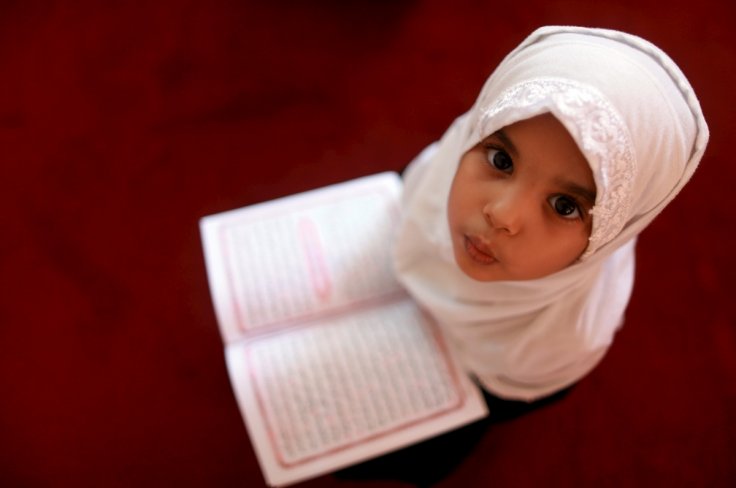
The focus on internal cleansing characterizes the Ramadan fasting as opposed to standard dietary abstinence. The tradition is based on the intent, that is, the fast has a value only in the case of a serious spiritual concentration.
In addition to restricting the flesh, scholars tend to observe that the art of fasting goes into regulating what humans think and do hence embedding outside actions in their inside knowledge. This coincidence highlights the transformational power of Ramadan as the time of moral rejuvenation and personal development.
Community, Charity and Universal Significance
The last and also very critical aspect of the Ramadan fasting is that it brings the communities closer and encourages charity behavior. Gifts such as mandatory charity referred to as Zakat and voluntary reward called Sadaqah are particularly eminent during this season.
Tying fasting to generosity, Islam also stresses that it is needed to balance individual worship and civic duty. Communal prayers, joint meals and outreach activities also remind believers how Ramadan is communal and thus enhances their unity.
Fasting is another tool to keep in mind equality and humility: people of various social and economic classes are subjected to the same restrictions to the same rituals. This experience erosion makes social barriers less and makes a person feel like a united brother and sister worldwide.
The causing feature of the dress-up can also be seen in the global celebration of Ramadan in different cultures and regions, as it shows the potential that such a common worship activity has the ability to overcome the diversity of linguistic and geographical boundaries.
Moreover, there are exemptions in the Islamic law which indicate a humane strategy of fasting. The infirm, elderly, pregnant, traveling or otherwise incapable of fasting are simply allowed to delay or make up missed days in some other way or other through other forms of charity or subsequent practice. This freedom brings out the fact that fasting is meant to be a spiritually offered chance and not as a challenge that is imposed without taking into account the individual conditions.
The fasting during Ramadan is, in the final analysis, a multidimensional practice of establishing faith, which is the synthesis of spiritual devotion, moral discipline and social consciousness. With the help of abstinence, reflection and charity, Muslims can enhance their closeness with God and at the same time lead to empathy and cohesiveness in their own communities.
FAQs
How long is Ramadan fasting?
Ramadan fasting time spans the lunar month of Ramadan either 29 or 30 days. There are two sittings of fast every day, which are, dawn (Fajr) and evening (Maghrib), i.e., Muslims do not eat and drink the entire day, but only in the daytime.
What are the rules of Ramadan?
The Muslims are required to fast during Ramadan time; this period is between dawn and sunset and includes eating, drinking, smoking and sexual intercourse. They are also suggested not to be negative like lying, arguing, or gossiping and pray more, do charity and recite Quran. The fast has to be practicing in spirit so that this fast has a spiritual value.
Why do Ramadan dates change?
Ramadan is determined by the Islamic lunar calendar that is told by the movements of the moon as opposed to the solar year. Due to an annual lunar year that is approximately 10 to 11 days shorter than Gregorian calendar, Ramadan is a movable feast that over time changes seasons and passes through various seasons.
Who is exempt from fasting?
The exceptions to fasting are children, the old, the sick, pregnant or lactating women, travelers and persons who have medical illnesses that may be aggravated by fasting. On their part, they can either compensate by making up the missed fasts or by charity depending on the circumstances.
Greeting someone during Ramadan?
The usual greeting in Ramadan is Ramadan Mubarak which means Blessed Ramadan or Ramadan Kareem, which means Generous Ramadan.


