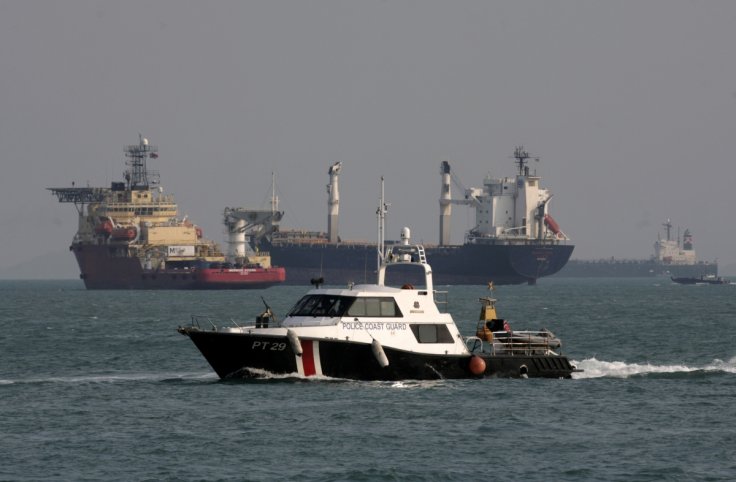
Singapore has called for stronger international cooperation to curb the operations of so-called shadow fleet vessels operating just beyond its territorial waters, as global scrutiny intensifies on ships used to evade international sanctions.
In a written reply to a parliamentary question dated Wednesday, February 4, Acting Transport Minister Jeffrey Siow said Singapore fully enforces United Nations Security Council resolutions and does not tolerate illegal or deceptive practices by such vessels. He added that ships found to be involved in illicit activities may be denied entry into Singapore ports or detained.
As the world's largest bunkering hub, Singapore works closely with neighbouring countries to counter illegal maritime activity in the Straits of Malacca and Singapore, Siow said. This includes sharing information to support investigations and carrying out coordinated patrols to strengthen enforcement efforts in the busy waterways.
Singapore also plays a key role in monitoring vessel movements as one of the Vessel Traffic Service authorities for the mandatory ship-reporting system in the straits. Through this system, it provides navigational information to ships and reports breaches of International Maritime Organisation conventions to the relevant flag states.
The Straits of Malacca and Singapore have increasingly emerged as a focal point in global efforts to police the so-called dark fleet — typically older tankers transporting sanctioned oil. These vessels have been known to conduct ship-to-ship transfers in the region, a practice that can obscure the origin of cargo and complicate enforcement.
The strategic waterway, which links Europe and the Middle East with East Asia, is one of the world's most critical maritime corridors. Its high traffic volume and geographic significance, however, also make monitoring and enforcement particularly challenging.
"This is an important and complex issue that the Singapore government pays close attention to," Siow said, as quoted by Bloomberg. "We will continue working closely with international partners to address these challenges effectively."


