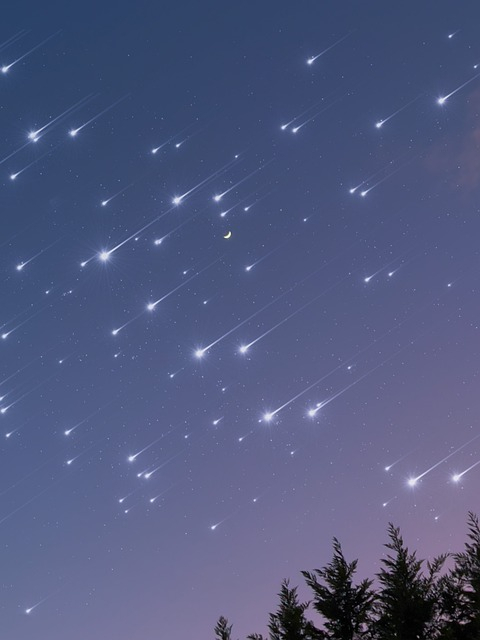
Skywatchers around the Northern Hemisphere are gearing up for one of the last notable astronomical events of 2025 as the Ursid meteor shower approaches its peak on the night of December 21 and December 22.
Though more modest than other annual meteor showers, the Ursids offer a pleasant end‑of‑year spectacle for those willing to brave late‑night skies.
The Ursids typically become active in mid‑December, running from about December 17 to December 26. In 2025, the peak of activity is expected to occur overnight between December 21 and early morning on December 22, coinciding with the winter solstice, the longest night of the year in the Northern Hemisphere.
Under ideal, dark‑sky conditions, observers might spot around five to 10 meteors per hour during the peak, with occasional bursts of more frequent activity possible—though these stronger displays are rare and unpredictable.
The meteors originate from debris shed by Comet 8P/Tuttle, a periodic comet that leaves a stream of dust and small particles along its orbit. As Earth passes through this trail, tiny fragments enter the atmosphere at high speeds, vaporising and creating the streaks of light known as meteors.
For the best viewing experience, experts recommend finding a location away from artificial lights and allowing your eyes at least 20–30 minutes to adapt to the darkness. Unlike some celestial events, no telescopes or binoculars are needed as meteors can be seen with the naked eye as they appear to radiate from the northern sky near the Ursa Minor constellation.
This year's viewing conditions are favourable due to minimal moonlight. A new moon on December 20 means the skies during peak activity will be especially dark, improving the chances of spotting fainter meteors.
While the Ursids are often overshadowed by more prolific showers like the Geminids earlier in the month, their seasonal timing and generally clear winter skies make them a worthwhile sight for astronomy enthusiasts and casual skywatchers alike.
Whether you're a seasoned stargazer or simply curious about celestial events, looking up during this late‑December night could reward you with a quiet but beautiful display of "shooting stars" to close out 2025.


